
Best Pets for Apartments
Quick answer: The best pets for apartments are pets whose needs you can meet in the space you actually have. An appropriately matched adult cat or dog may suit some apartments. Guinea pigs or a hamster may suit others when there is room for proper housing and the right daily care. Rabbits need substantially more space than their size might suggest.
Before you begin
Begin with your floor plan and schedule. The animal's body size is only one part of the decision; their housing, activity, companionship and care determine how well the arrangement can work.
A practical comparison
This table is a starting point for research, rather than a ranking from easiest to hardest. Check species-specific guidance and discuss the individual animal with a rescue or knowledgeable carer.
| Pet to investigate | Apartment question to resolve first | Daily responsibility to plan |
|---|---|---|
| Adult cat | Can the home provide suitable toileting, scratching, hiding and play areas? | Meals, litter care, interaction and observation |
| Adult dog | Can you provide suitable activity and reliable toilet access? | Outings, training, companionship and meals |
| Guinea pigs | Is there enough permanent floor space for suitable housing and companions? | Feeding, cleaning and checking each animal |
| Hamster | Can appropriate housing sit somewhere compatible with nighttime activity? | Feeding, water, enclosure care and respectful interaction |
| Rabbits | Can you dedicate a sufficiently large, safe living area? | Diet, cleaning, enrichment and care for compatible companions |
Blue Cross's small-pet guide explains why small animals need substantial space and species-appropriate companionship. It also highlights that some are active when people expect to sleep and may dislike being picked up.
Adult cats: plan an interesting indoor home
Think about how the cat will use the space throughout the day. Can they retreat from visitors, scratch appropriately, explore and play? Can you locate essential resources without forcing the cat to pass another pet to reach them?
The RSPCA's indoor-cat guidance explains the enrichment an indoor environment needs. Ask a rescue whether a particular cat is suited to the access you can provide. A previous outdoor lifestyle is something to discuss before making a match.
Measure the litter area and plan cleaning access. Our litter-box guide helps you think through provision. The first-time cat guide includes questions about age and personality.
Adult dogs: assess the journey to the outdoors
Walk the route from your front door to the toilet area. Consider stairs, lifts, shared entrances and the time required when you are tired or the weather is poor. Ask how the individual dog responds to those environments.
Then map daytime support and activity. A nearby park does not arrange a walk while you are at work. Confirm who can help, what they charge and whether they can manage the dog comfortably.
Describe the building's sounds and traffic to the rescue or breeder. Ask about observed responses to neighbours, unfamiliar dogs and time alone. Our first-time dog guide can help you assess the whole routine.
Small mammals: measure the housing before choosing
Mark the full proposed enclosure footprint on the floor, including access needed for cleaning. Check current species-specific welfare guidance before buying equipment. A product sold for an animal is not enough evidence that its size or design will meet their needs.
For guinea pigs and rabbits, research suitable companionship and the total space required for the animals together. For a hamster, investigate the needs of the particular species rather than adding a companion by default. Ask about sleep patterns, handling, diet and veterinary support.
Keep the enclosure away from hazards and consider how other pets could affect the animal's sense of safety. If you cannot provide the setup, pause the choice rather than trying to make a smaller enclosure work.
Five apartment checks to complete
1. Confirm the housing rules
Read your tenancy, building rules and relevant local requirements. Resolve any permissions before committing to an animal. Ask about the particular species and any restrictions that affect your plan.
2. Make a usable floor plan
Draw the furniture and proposed pet areas. Include storage for food, bedding and cleaning equipment. Check that opening doors or moving chairs will not compromise the setup.
3. Account for noise and sleep
Write down when the home is busy and quiet. Consider the animal's activity pattern and how household sounds could affect them. Talk through your building with the person helping you choose a pet.
4. Find veterinary and holiday care
Confirm a local practice treats the species you are considering. Locate out-of-hours care and a suitable caregiver for travel. Include these costs alongside food and supplies.
5. Assign the daily work
Use this sheet before anybody says they will “help when needed.”
| Task | Main caregiver | Backup | Where completion is recorded |
|---|---|---|---|
| Food and water | ___ | ___ | ___ |
| Toileting or enclosure cleaning | ___ | ___ | ___ |
| Activity and interaction | ___ | ___ | ___ |
| Supply checks | ___ | ___ | ___ |
| Veterinary arrangements | ___ | ___ | ___ |
Blue Cross's pet-selection guide also recommends considering lifestyle, lifetime commitment and ongoing cost. Use the completed sheet to discuss your home honestly with a rescue or other knowledgeable adviser.
Organise the routine after choosing
Put the animal's current instructions in one place and record changes as you learn about them. Our sitter template helps when another person takes over.
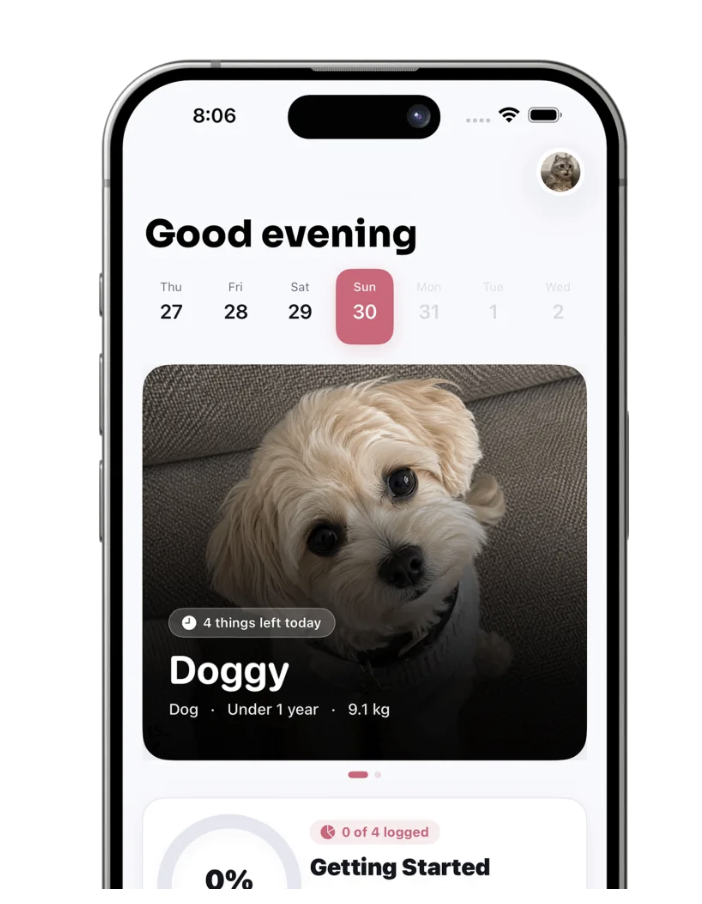
Petive can help you record meals, cleaning activities and care notes on iPhone. A clear record is useful in a shared home where several people might otherwise repeat or miss the same task.
Common questions
Which apartment pet needs the least work?
Every animal needs dependable care. Compare the actual housing, cleaning, social and veterinary commitments before choosing; a small purchase price or body size can hide substantial work.
Can a large dog live in an apartment?
Assess the individual dog, activity arrangements, handling, access and building rules. Floor area and size alone cannot settle the question.
Are rabbits good pets for a small flat?
Only consider them if you can provide appropriate space, companionship and care. Measure the required setup before deciding that a rabbit fits.
Sources and editorial note
This guide was prepared by the Petive Editorial Team using guidance from established veterinary and animal-care organizations. Unless a named reviewer is shown, it has not been independently reviewed by a veterinarian. It provides general educational information, not veterinary diagnosis or treatment. Ask your veterinarian about your individual pet.