Pet Sitter Instructions
Quick answer: Good pet sitter instructions let a caregiver answer four questions quickly: which pet needs care, what should happen, what has already happened and who to contact if something goes wrong. Include exact food instructions, the normal routine, prescribed medication directions where relevant, veterinary contacts and a clear emergency plan.
Before you begin
Copy the template below, complete a separate pet section for each animal and walk through it with your sitter before leaving. Put the most urgent information on the first page.
Prefer a form you can fill and print? Use our pet sitter instructions form alongside the explanations below.
Start with the essential contacts
Arrange veterinary authorisation before the trip. Pet Sitters International recommends notifying the veterinarian in writing and authorising care during your absence. Ask your practice about its own process and payment arrangements.
Make sure the sitter knows how to obtain urgent veterinary help if you cannot be reached. A contact list should work without a long search through messages.
Copy this pet sitter instructions template
Trip and contact details
- Care starts / ends, including the final handover: ___
- Owner name, phone and best contact method: ___
- Owner's time zone and periods without reception: ___
- Local backup contact and what they can help with: ___
- Regular veterinarian: name, phone, address and hours: ___
- Emergency veterinarian: name, phone and address: ___
- Veterinary authorisation and payment arrangements confirmed with practice: ___
- Transport plan and carrier location: ___
- Instructions last checked on / checked by: ___
Pet identity and usual behaviour
- Name, species and identifying description or current photo: ___
- Age and relevant health conditions: ___
- Allergies or restrictions: ___
- Usual behaviour, appetite and toilet habits: ___
- Handling preferences and signs the pet needs space: ___
- Known escape risks and precautions: ___
- Reactivity, guarding, bite history and situations the sitter must avoid: ___
Food and water
- Exact food name and storage location: ___
- Portion per meal, including unit and measuring method: ___
- Meal times and named caregiver: ___
- Where each pet eats; any separation needed: ___
- Approved treats and allowance: ___
- Foods or extras that must not be given: ___
- Water locations and cleaning/refilling routine: ___
- What to do if the pet eats less, refuses food or vomits: veterinary instructions / contact plan ___
Medication, if applicable
- Medicine name and original labelled container location: ___
- Current written veterinary directions, including dose, route and times: ___
- Storage and administration method demonstrated to sitter: ___
- Last dose actually given, with time and caregiver: ___
- Where each completed dose must be recorded: ___
- Veterinary contact plan for a missed, uncertain, extra or vomited dose: ___
Keep the prescription label and current veterinary instructions available together. Do not leave a sitter to infer a dose from pill size or an old message. If instructions conflict or a dose is uncertain, contact the veterinarian rather than improvising.
Routine and environment
- Walks, toilet outings or litter/enclosure care: ___
- Lead, harness, bags and cleaning supplies: ___
- Approved routes and handling precautions: ___
- Lead and off-lead restrictions agreed with the sitter: ___
- Play, companionship and quiet-rest routine: ___
- Doors, windows, gates and rooms to check: ___
- Interaction restrictions with people or other animals: ___
- Supply levels and replacement arrangements: ___
Updates and handovers
- Where to record meals, medication and other completed care: ___
- Agreed update times and channel: ___
- What requires an immediate call: ___
- Who confirms a change to the instructions: ___
- Final update and key return arrangements: ___
Share access codes and sensitive household details privately with the sitter. Keep the care sheet somewhere they can reach during a power or connection problem.
A filled example: clear dog sitter instructions
This is a fictional example showing the level of detail to aim for. The feeding quantities and times describe the example only; use your own dog's established plan.
Milo — adult dog; no medication. Meals at 7:30am and 6:30pm. Give one prepared container marked with Milo's name and the meal date/time. Containers are on the lower kitchen shelf. Feed in the kitchen with the door closed so our other dog cannot enter. Log the meal after serving and note any food left. Do not offer a second meal because Milo asks. Water bowls are in the kitchen and hallway; check both at each visit. Use the labelled harness and lead for the agreed toilet outings. Keep the front door shut before opening his room. If anything seems wrong, use the vet contacts on page one and update us.
“Feed him as usual” relies on memory. This example identifies the food, meal, location, precautions and record. Add the individual's walking and health instructions with the same specificity.
Make multi-pet instructions unambiguous
Give each animal their own food and medication section. Label containers with names rather than relying on bowl colour alone. Explain which doors must be closed during feeding and how to confirm every pet has been seen.
Use a visit record that distinguishes intention from completion:
| Date/time | Pet | Care actually completed | Observation or exception | Caregiver |
|---|---|---|---|---|
| ___ | ___ | ___ | ___ | ___ |
A reminder means a task is due. The record should show what actually happened. For feeding, the dog meal guide and cat meal guide explain how to keep an established routine clear.
Test the handoff before departure
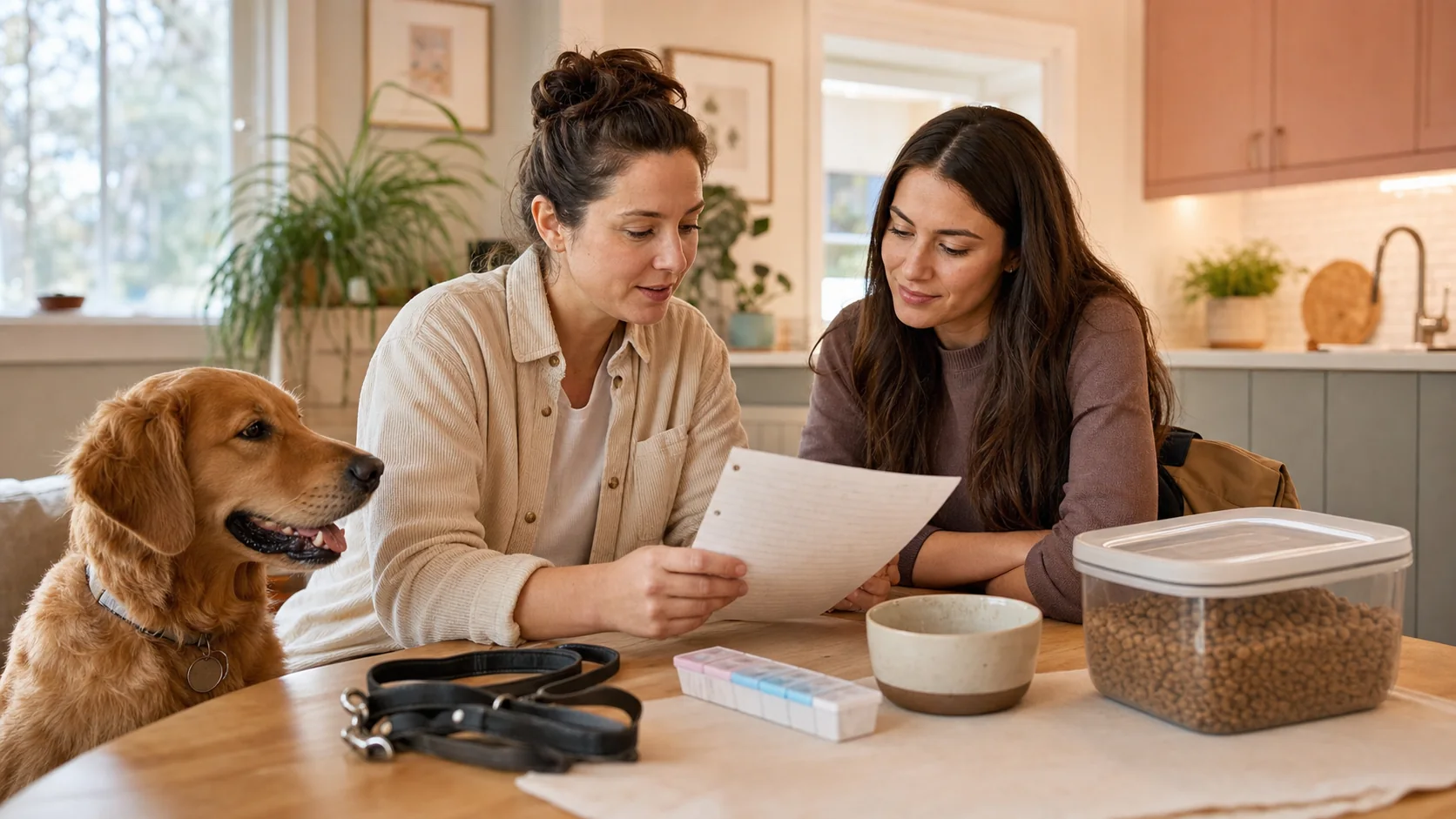
Ask the sitter to find the food, demonstrate the portion measurement, locate the carrier and explain the emergency plan back to you. If medication is involved, arrange an appropriate demonstration and confirm the sitter can carry out the prescribed method.
Run through a realistic complication: “You arrive and cannot tell whether dinner was given. What do you check, and whom do you contact?” Resolve that question before the first solo visit.
After any change, update the master instructions, add the date and ask the sitter to confirm they have seen it. Our story about a sitter following outdated instructions illustrates why version clarity matters.
Keep the record accessible
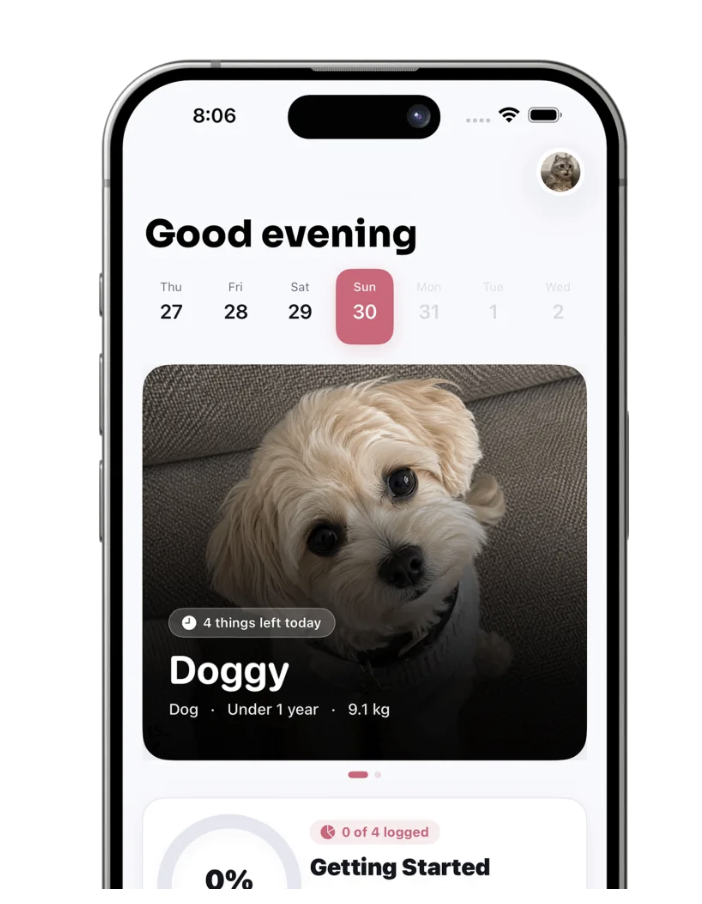
A printed care sheet can hold contacts and essential instructions. Petive can hold owner-entered care notes and completed activities on iPhone. For shared records, Shared Pack requires VIP, supports up to four members including the owner, and each person needs a signed-in iPhone account. New shared updates require connectivity and completion must be logged and synchronised.
Use a format your actual sitter can access, and leave an offline copy of urgent contacts regardless of how you record routine care.
Common questions
How long should sitter instructions be?
Long enough to explain the care without guesswork. Put urgent contacts and today's essentials first, then add detailed sections for each pet. Test whether your sitter can find an answer quickly.
Should I include medication in a general care sheet?
Include the current veterinary instructions and completion record, with original labels available. If the sitter cannot carry out the prescribed care, arrange suitable support before leaving.
What if I cannot be reached?
Agree a veterinary contact and authorisation process in advance. The sitter should know how to obtain urgent help without waiting for an owner reply.
Sources and editorial note
This guide was prepared by the Petive Editorial Team using guidance from established veterinary and animal-care organizations. Unless a named reviewer is shown, it has not been independently reviewed by a veterinarian. It provides general educational information, not veterinary diagnosis or treatment. Ask your veterinarian about your individual pet.