The Petive Journal

The ordinary mess of caring deeply.

Honest household stories and carefully sourced guides about making everyday pet care calmer, more consistent, and easier to share.

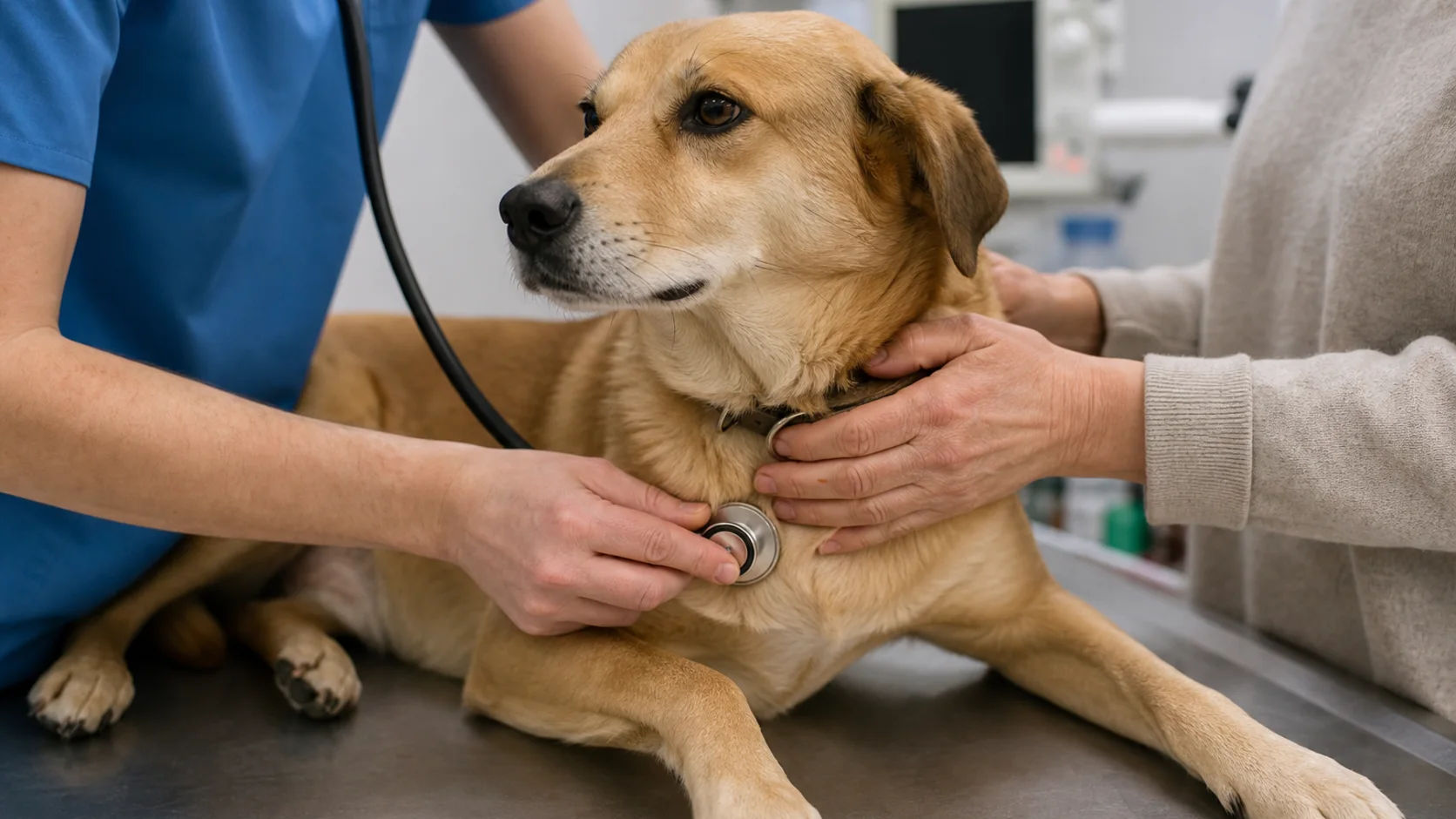
A veterinarian performing a calm wellness examination with a dog and cat owner

How do I monitor my pet’s recovery after surgery at home?

Monitor your pet’s recovery by following the discharge instructions, giving medication exactly as prescribed, restricting activity, checking the incision, and recording appetite, water intake, bathroom habits, pain, energy, and unusual symptoms. Contact the veterinary team promptly if recovery moves outside the limits they described; seek urgent care for breathing trouble, collapse, uncontrolled bleeding, or severe distress.

Read the guide
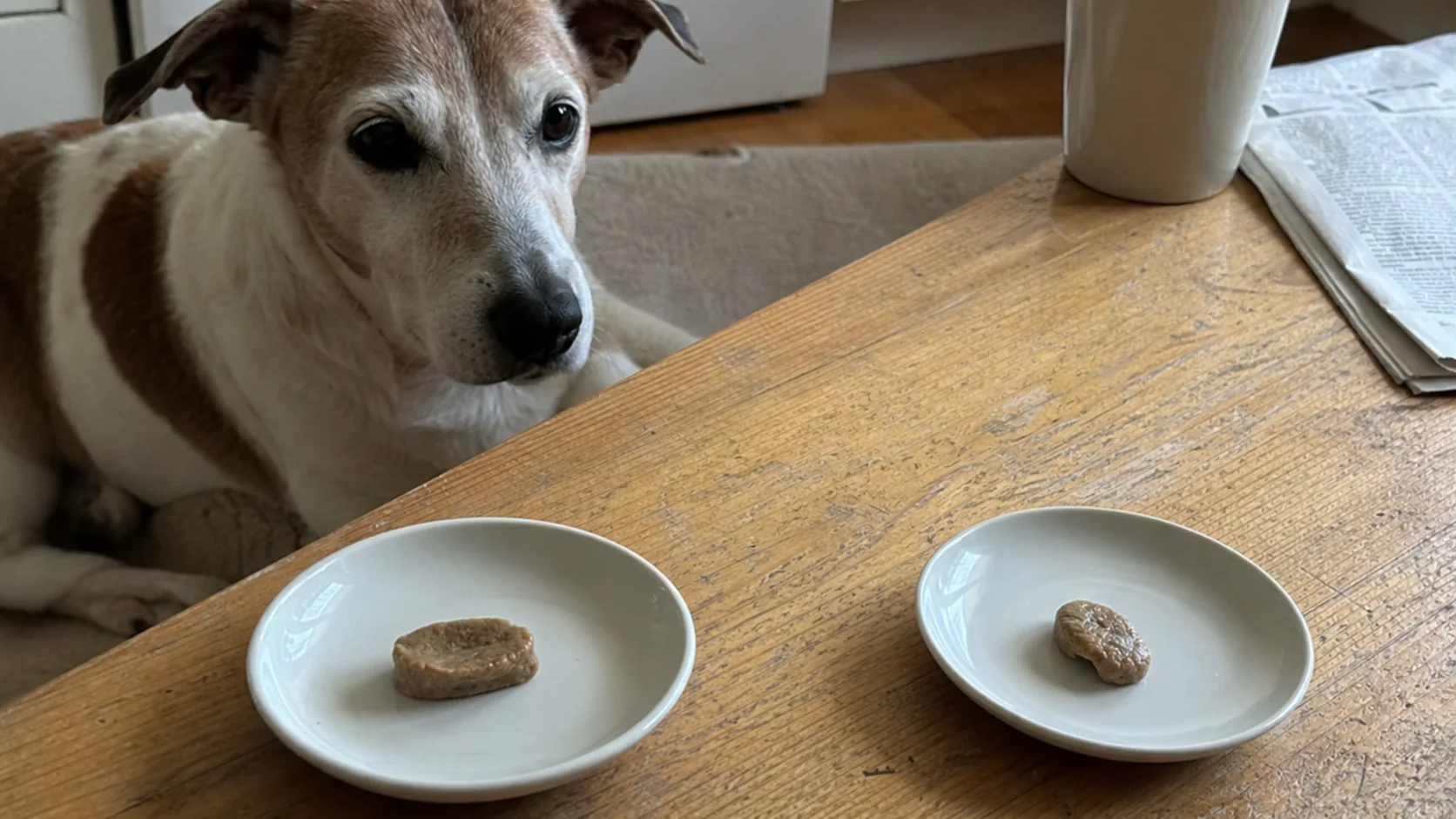
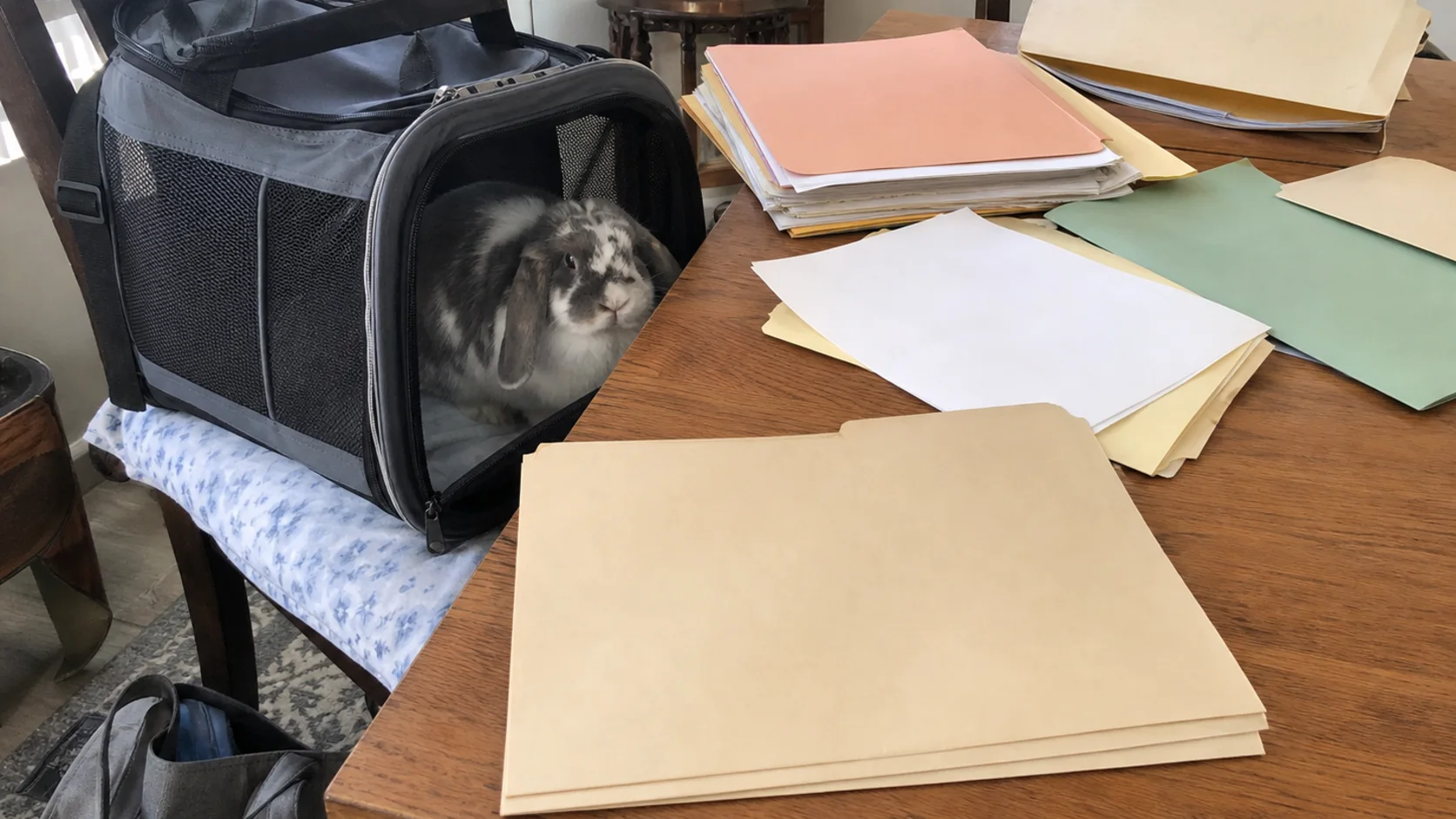
An older white-and-brown dog looking toward two treats on separate plates

What should I track when my pet starts a new medication?

When your pet starts a new medication, record every dose, the reason it was prescribed, baseline symptoms, appetite, water intake, bathroom habits, energy, behavior, and any new changes. Follow the label exactly and contact the prescribing veterinarian about suspected side effects, missed doses, vomiting after a dose, or uncertainty—never adjust or discontinue treatment on your own.

Read the guide
An older white-and-brown dog looking toward two treats on separate plates

What health changes should I track as my dog gets older?

As your dog gets older, track changes in weight, appetite, drinking, urination, stool, mobility, sleep, energy, breathing, senses, and behavior. Record when each change began and whether it is progressing. Small patterns can help your veterinarian assess senior health, but sudden or severe changes should prompt a call rather than waiting for your next routine appointment.

Read the guide
An older white-and-brown dog looking toward two treats on separate plates

What should I record when my dog has a seizure?

Record the seizure’s start time, duration, movements, awareness, breathing, possible triggers, recovery behavior, and any medication given. Keep your dog away from hazards, do not restrain them or put anything in their mouth, and contact a veterinarian. A prolonged seizure, repeated seizures, breathing difficulty, injury, or incomplete recovery may require emergency care.

Read the guide
A gray-and-white rabbit beside an open carrier and scattered pet records
Shared care7 min read

What information should I keep in my pet’s emergency file?

Keep identification, photographs, microchip details, veterinary contacts, diagnoses, allergies, medications, vaccine records, insurance information, daily-care instructions, emergency authorization, and evacuation plans in your pet’s emergency file. Store an accessible digital copy and a portable paper backup, review both regularly, and make sure every trusted caregiver knows where to find them.

Read the guide
A veterinarian performing a calm wellness examination with a dog and cat owner

How do I remember monthly flea, tick, and heartworm treatments?

Remember flea, tick, and heartworm treatments by keeping each product’s exact schedule in one calendar, setting recurring reminders before the due date, and logging the dose only after it is given. Record the product, strength, pet, date, and caregiver. Confirm prevention and testing with your veterinarian because schedules and parasite risks vary by product and location.

Read the guide
A gray-and-white rabbit beside an open carrier and scattered pet records

How do I share my pet’s medical history with a new veterinarian?

Share your pet’s medical history by asking the previous clinic to transfer the complete record, then give the new veterinarian a concise summary of diagnoses, allergies, medications, vaccines, procedures, test results, diet, and recent changes. Send records before the appointment when possible, verify they arrived, and bring your own current medication list and symptom timeline.

Read the guide
A young puppy exploring grass beside an open back door while an owner supervises
Daily care7 min read

What should I track during my new dog’s first 30 days at home?

During your new dog’s first 30 days, track meals, water, bathroom habits, sleep, energy, behavior, training, medication, and health concerns. Record routines and triggers without judging progress against a rigid deadline. A consistent log helps your household respond predictably, gives your veterinarian useful context, and reveals gradual adjustment that memory can easily miss.

Read the guide
A young puppy exploring grass beside an open back door while an owner supervises
Guides7 min read

New Puppy Daily Schedule by Age: Meals, Naps, Potty & Play

A new puppy needs a structured daily routine balancing frequent potty breaks, age-appropriate meals, structured play, and 16 to 20 hours of restorative sleep per day. Young puppies thrive when events happen in the exact same sequence every day: wake up, immediate outdoor potty break, breakfast, play and training, another potty break, and a quiet nap. As puppies mature from 8 weeks to 6 months, their bladder capacity expands, meal frequency decreases from four times to two or three times daily, and awake windows gradually lengthen.

Read the guide
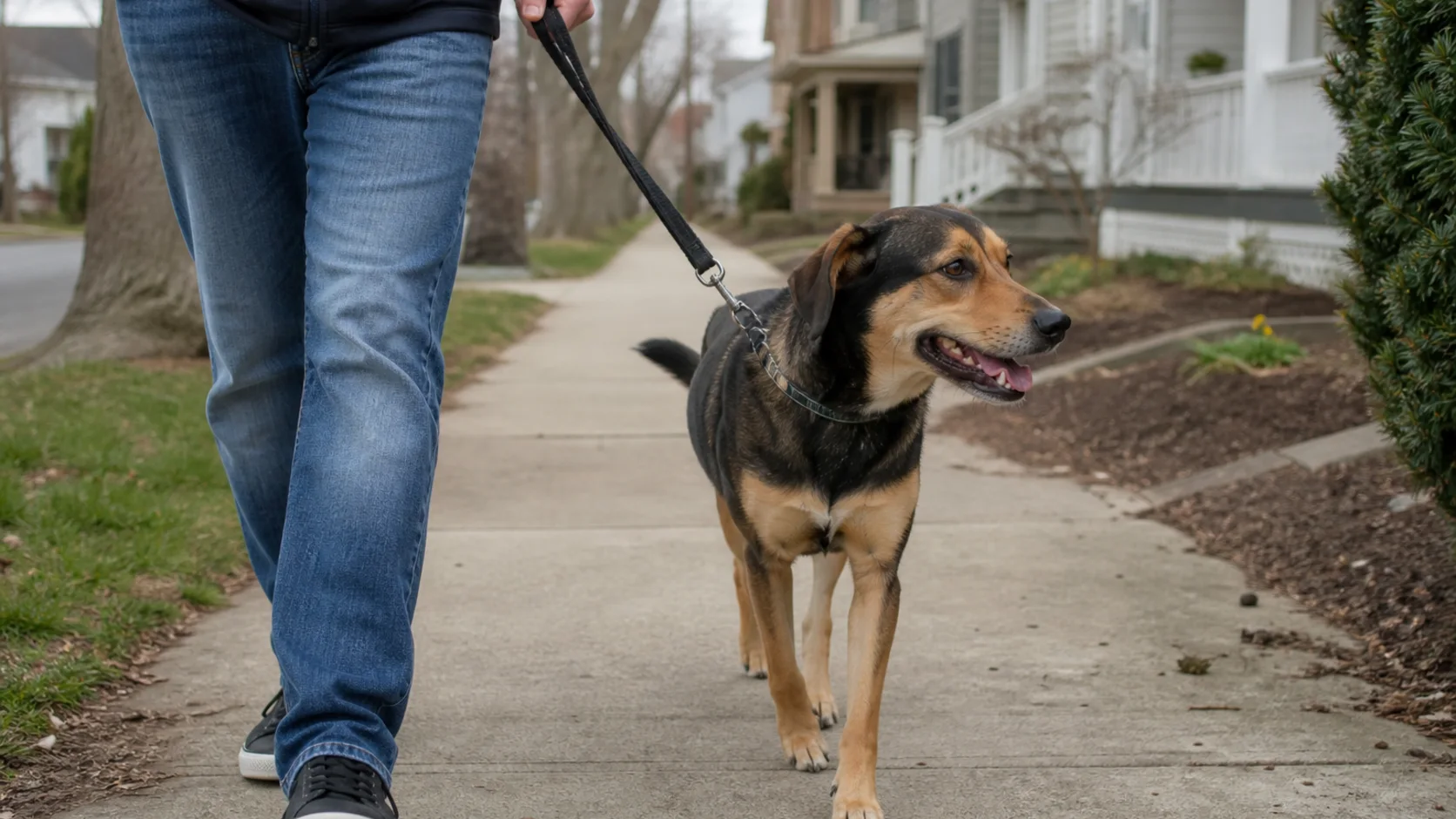
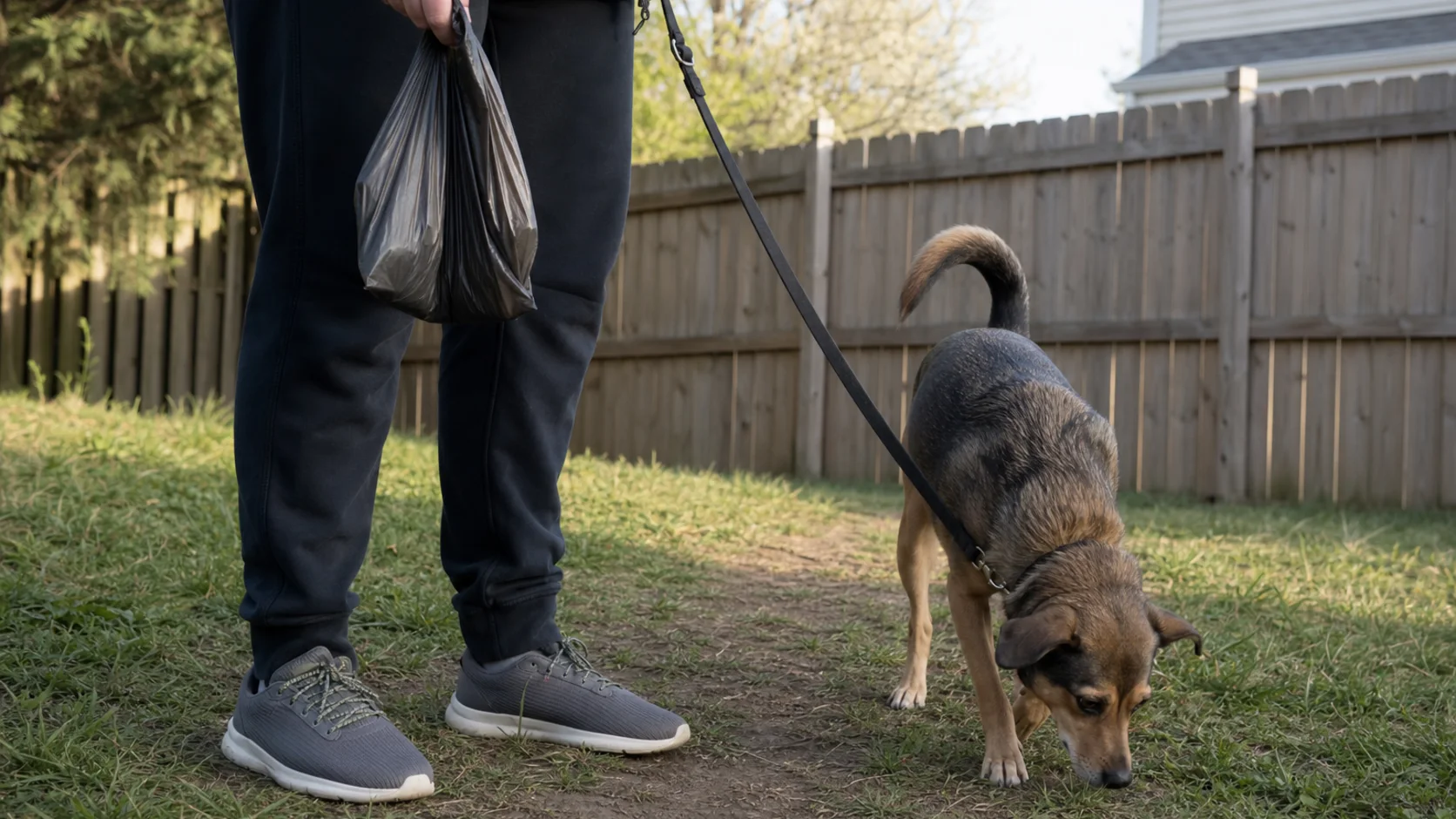
A dog and owner taking a relaxed sniffing walk on a neighborhood path
Shared care7 min read

Dog Walker Daily Log Template for Families & Sitters

A dog walker daily log template provides a clear, reliable system for family members, professional dog walkers, and pet sitters to communicate walk details. Tracking the time, duration, leash behavior, stool quality, and hydration ensures every caregiver knows when a dog was last walked and whether any health flags occurred. Using a structured handoff template eliminates guesswork, prevents double-walking, and helps spot early signs of digestive or mobility issues.

Read the guide
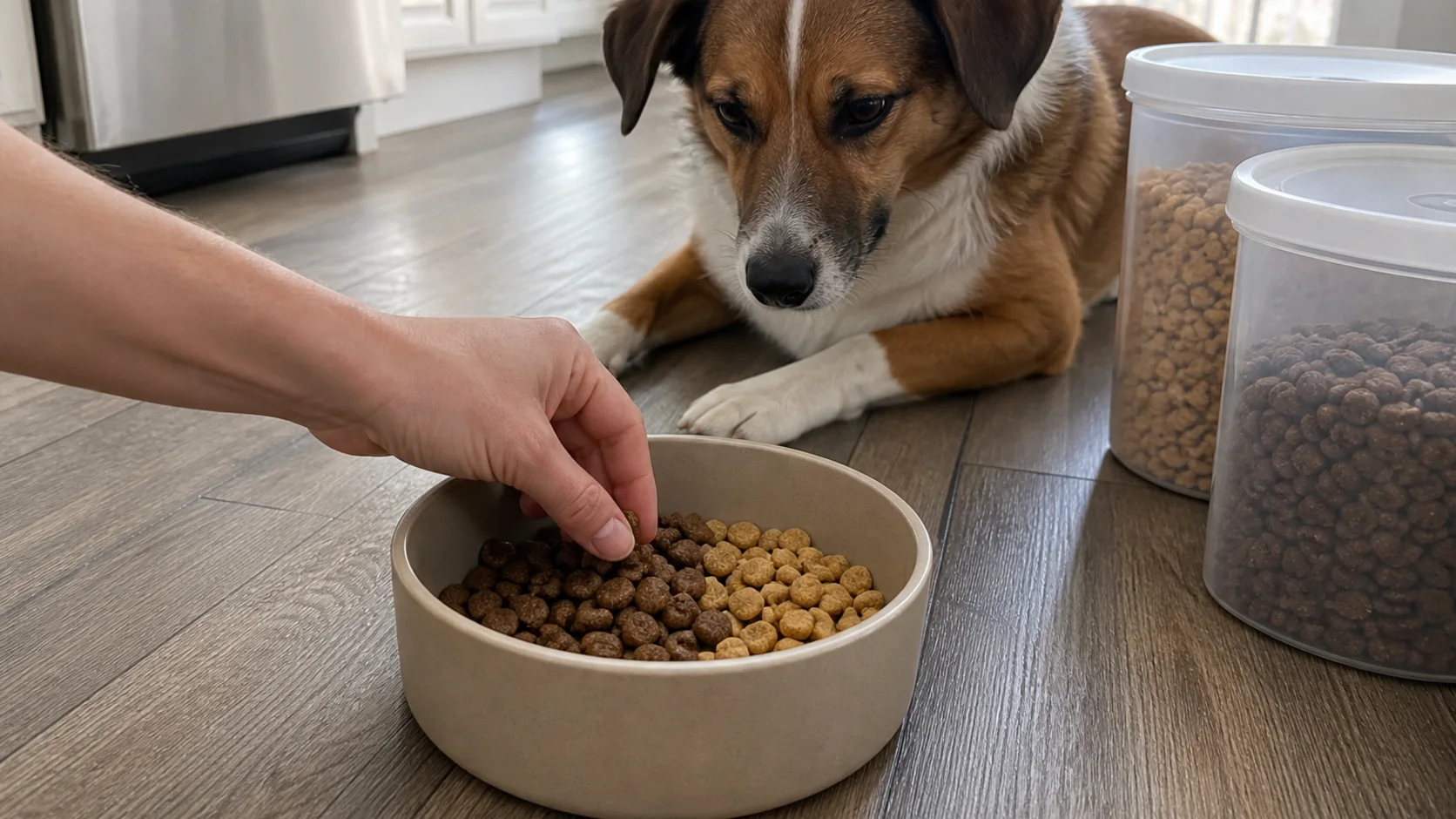
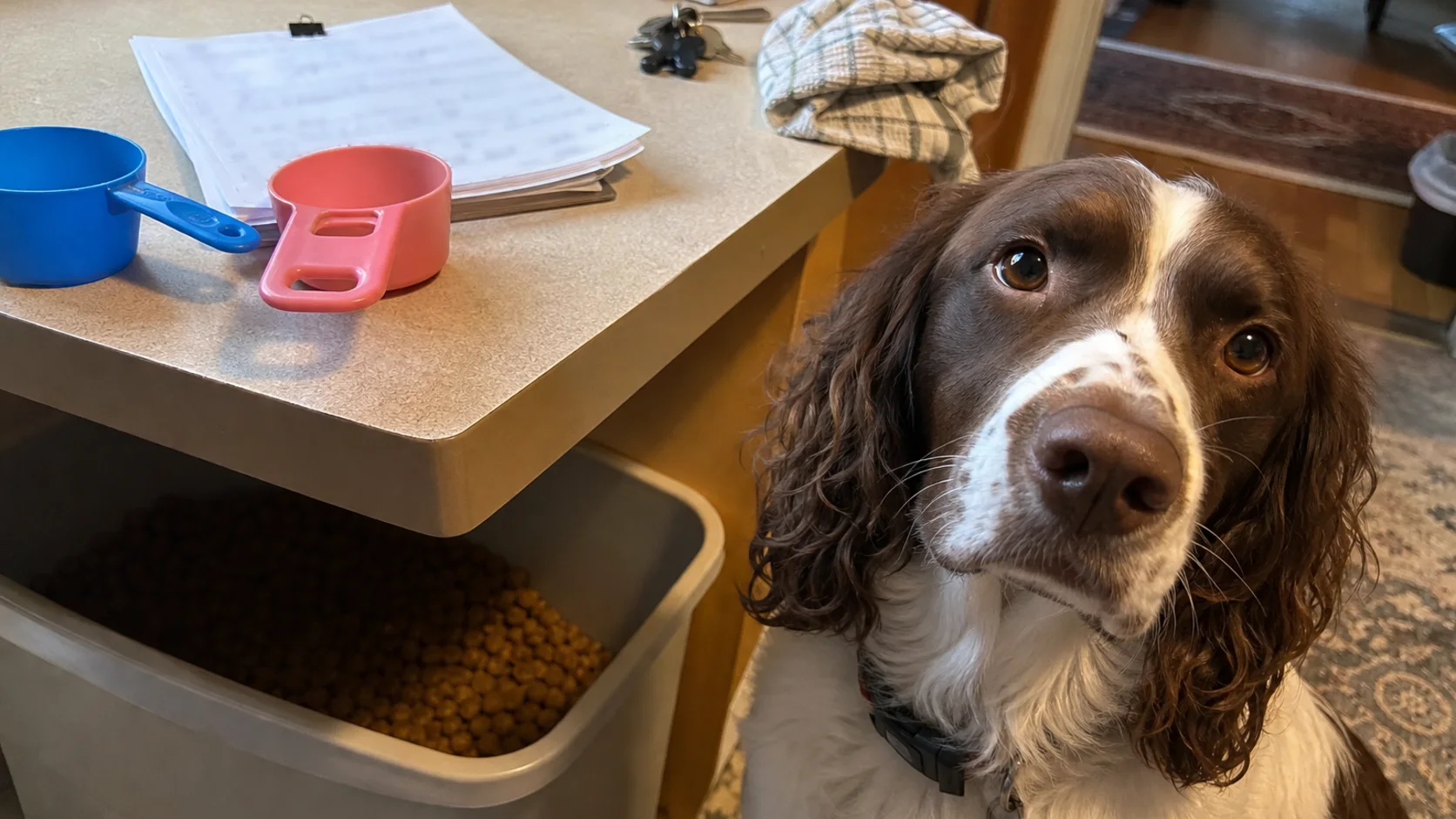
A tan-and-white dog waiting beside an empty food bowl in a family kitchen
Shared care7 min read

Multi-Dog Feeding Schedule & Shared Care Log

Managing feeding routines in a multi-dog household requires precision, especially when dogs have different food formulas, prescription diets, or medication schedules. Accidental double-feedings, food stealing, or mixing up prescription kibble can cause digestive distress or weight issues. A dedicated multi-dog feeding schedule template establishes clear portions, timing, and caregiver accountability so every dog gets their correct meal on time.

Read the guide
An older white-and-brown dog looking toward two treats on separate plates

Pet Medication Schedule & Dose Handoff Template

Managing prescription medication for a pet requires precise timing, exact dosage tracking, and clear communication between family members and pet sitters. Double-dosing a pet because one person did not know a pill was already given can be dangerous, while missed doses can compromise treatment. A pet medication schedule template organizes Rx details, administration times, food instructions, and caregiver sign-offs in one accessible place.

Read the guide

A gray-and-white rabbit beside an open carrier and scattered pet records
Shared care7 min read

Pet Emergency Information Card & Vet Handoff Form

A pet emergency information card compiles your pet's critical medical records, identification details, microchip number, primary veterinarian, emergency clinic contact, and caretaker instructions into one accessible document. Whether you are traveling, leaving your pet with a sitter, or facing an unexpected emergency, organized information can reduce searching and help a caregiver contact the right clinic promptly.

Read the guide

A tan-and-white dog waiting beside an empty food bowl in a family kitchen
Shared care7 min read

Dog Co-Parenting Schedule Template for Shared Households

Co-parenting a dog across two households requires clear custody schedules, synchronized routines, and open communication to keep your pet happy and stress-free. Whether sharing dog care after a breakup, coordinating between roommates, or managing family co-parenting, dogs thrive on consistency. Using a structured co-parenting schedule template prevents missed feedings, forgotten medications, and confusion during handoffs.

Read the guide

A young puppy exploring grass beside an open back door while an owner supervises
Guides7 min read

Puppy Teething Timeline: What to Expect & Relief Guide

Puppies go through an intense teething phase between 3 and 6 months of age as their 28 needle-sharp deciduous (baby) teeth fall out and are replaced by 42 permanent adult teeth. During this period, puppies experience gum soreness, inflamed tissue, and a strong physiological urge to chew. Understanding the puppy teething timeline helps owners provide safe chew outlets, prevent destructive chewing, and recognize potential dental issues early.

Read the guide
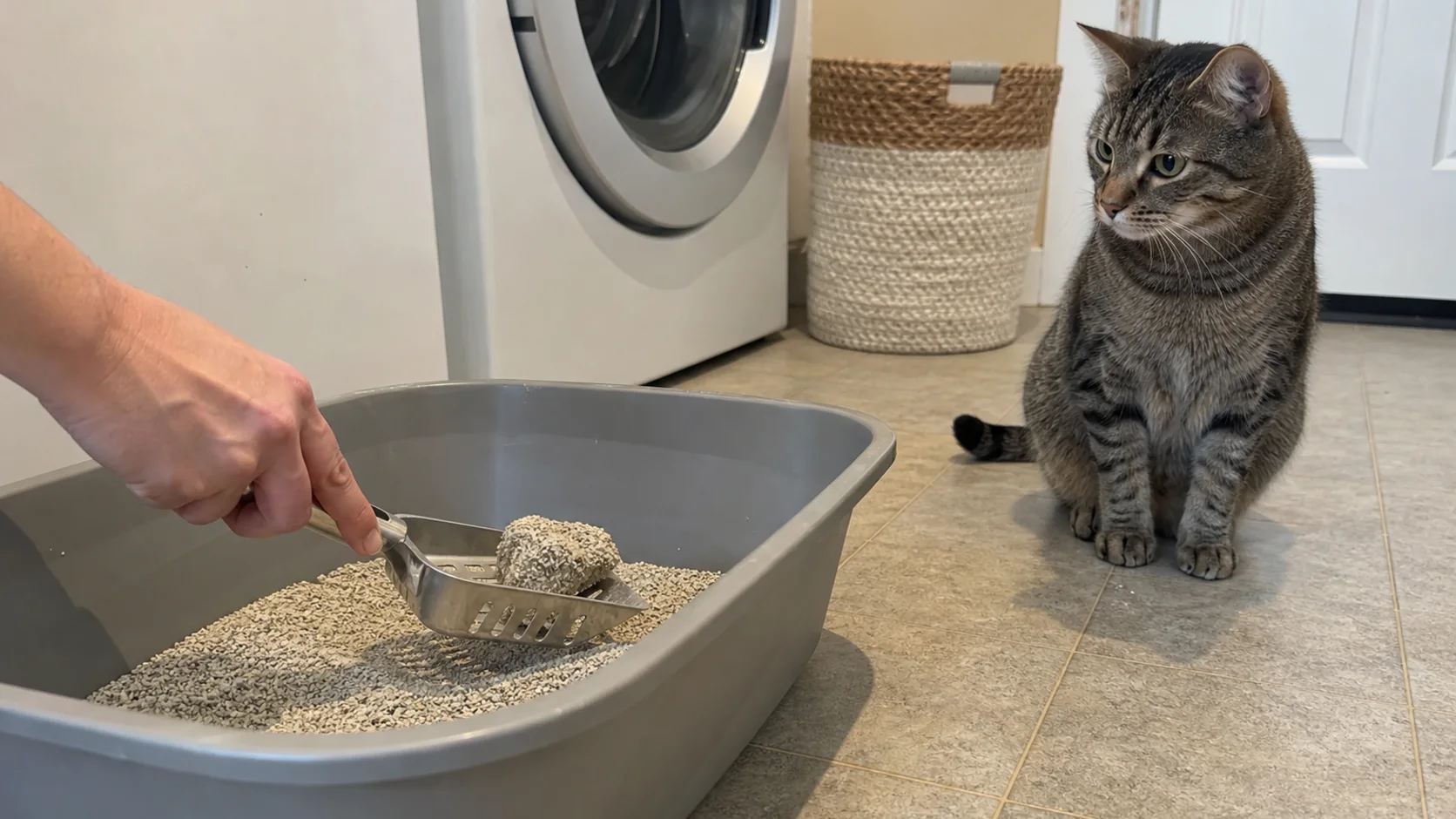
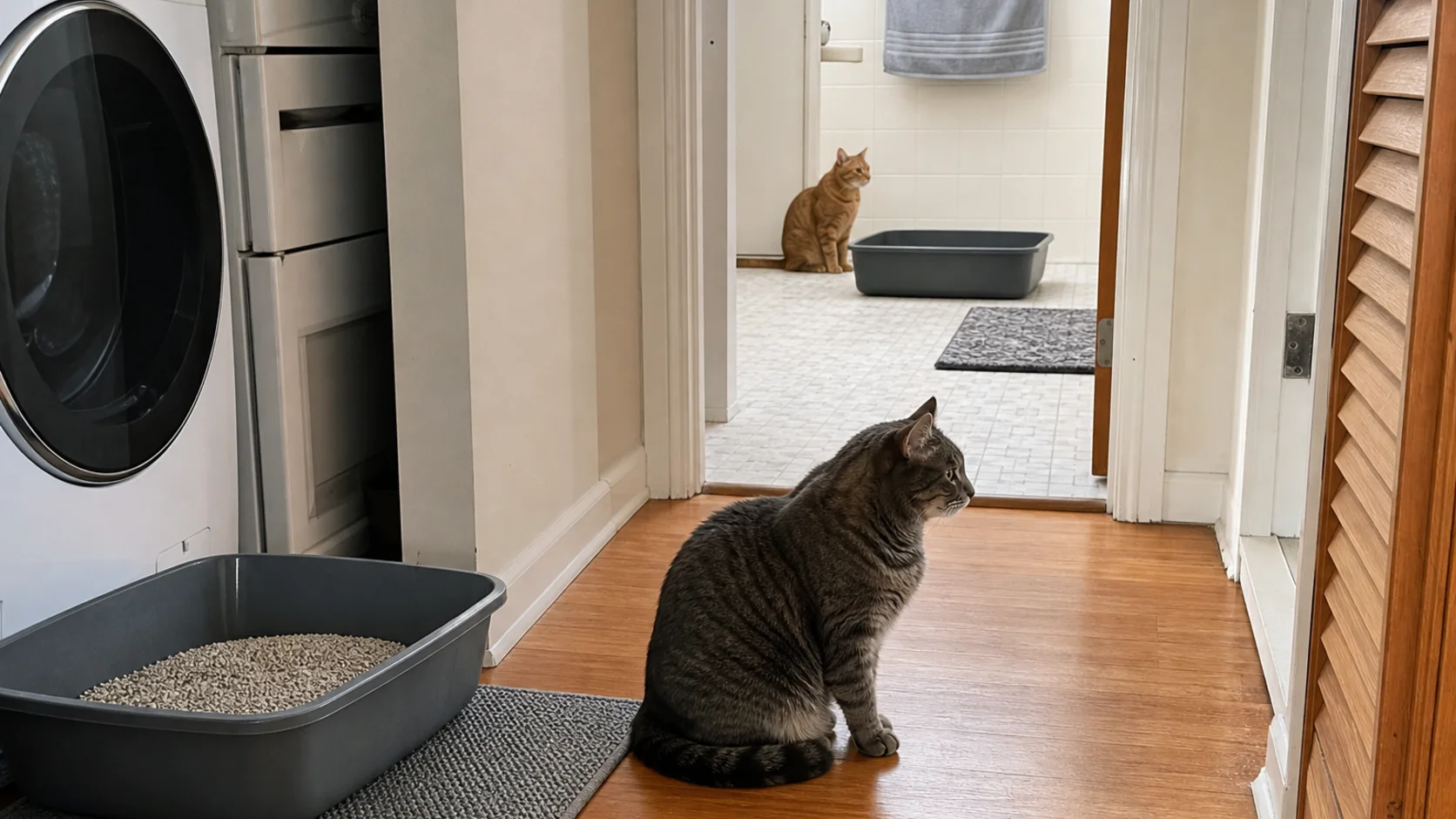
A person scooping a clean open litter box while a cat waits nearby

Cat Litter Box Routine & Health Log: Spotting Early Warning Signs

A cat’s litter box habits are one of the most reliable windows into their internal health. Changes in urination frequency, clump size, straining, or missing the box are frequently the first signs of serious feline medical conditions like feline lower urinary tract disease (FLUTD), urethral obstruction (a life-threatening emergency in male cats), urinary tract infections (UTIs), or kidney issues. Maintaining a clear cat litter box health log helps multi-cat owners track habits and share accurate data with veterinarians.

Read the guide