Share Pet Medical History
Quick answer: Share your pet’s medical history by asking the previous clinic to transfer the complete record, then give the new veterinarian a concise summary of diagnoses, allergies, medications, vaccines, procedures, test results, diet, and recent changes. Send records before the appointment when possible, verify they arrived, and bring your own current medication list and symptom timeline.
Request the complete clinical record early
Contact every clinic that treated your pet, including emergency and specialty hospitals, and ask how to authorize transfer. Request examination notes, medication history, vaccine certificates, laboratory results, diagnostic images and reports, procedures, anesthesia records, discharge instructions, and referral letters—not only invoices or vaccine reminders.
Ask the new clinic which file formats and delivery method it accepts. Send records several business days ahead, then confirm they are attached to the correct patient. Keep your own copy; clinics can merge or summarize information differently.
Create a one-page history the new team can scan
Records may span hundreds of pages. Add a summary containing:
- identification, age, breed, microchip, and insurance;
- active and significant past diagnoses;
- medication and supplement names, strengths, doses, schedules, and last doses;
- allergies and previous adverse reactions;
- vaccine and parasite-prevention status;
- surgery, hospitalization, dental, and anesthesia history;
- relevant laboratory or imaging trends;
- current diet and meaningful intolerances;
- behavior, handling, mobility, or communication needs;
- primary reason for changing clinics and today’s priorities.
Label uncertain details as uncertain rather than filling gaps from memory. Bring original containers or clear label photographs for active medication.
Add the recent daily context records may not contain
Clinical records show what happened during appointments. The new veterinarian may also need to know what changed at home: appetite, drinking, urination, stool, weight, mobility, sleep, energy, vomiting, coughing, itching, pain, or behavior. Summarize dates, frequency, and direction of change.
Avoid sending an unfiltered photo library or years of messages. Start with a short timeline and make supporting logs, photos, and videos available. Tell the team about upcoming travel, refill deadlines, or monitoring needs that could affect continuity.
Protect accuracy, privacy, and continuity
Use secure transfer methods offered by the clinics rather than posting records publicly or sending them to the wrong address. Check the pet’s name and date of birth on every file. Keep a dated master copy and update it after appointments, medication changes, vaccines, tests, and procedures.
Do not omit a past diagnosis or reaction because it seems resolved. The veterinarian can decide its relevance. If records cannot be obtained, explain what you know and where uncertainty remains; the new clinic may recommend rebuilding parts of the history through examination or testing.
Ask the new team to reconcile the medication list at the first visit. That means comparing your list, transferred records, active pharmacy labels, and what the pet actually receives at home. Remove duplicates and mark discontinued products clearly, but retain them in the historical record with stop dates and reasons when known.
When test results span several clinics, organize them chronologically and preserve the laboratory’s reference ranges. A value cannot be interpreted safely from the number alone, and different laboratories may use different methods. Let the veterinarian decide which trends are comparable.
After the appointment, update the master summary with the clinic’s confirmed problem list, medication plan, next tests, and follow-up date. Send the revised plan to other caregivers so the transfer does not create two competing versions of the truth.
If the new veterinarian refers your pet to a specialist, repeat the same process: authorize the relevant record transfer, provide the updated summary, and confirm which clinic will coordinate refills, monitoring, and follow-up communication. Clear ownership prevents important results from sitting in separate systems without action.
How Petive keeps the owner-held history ready
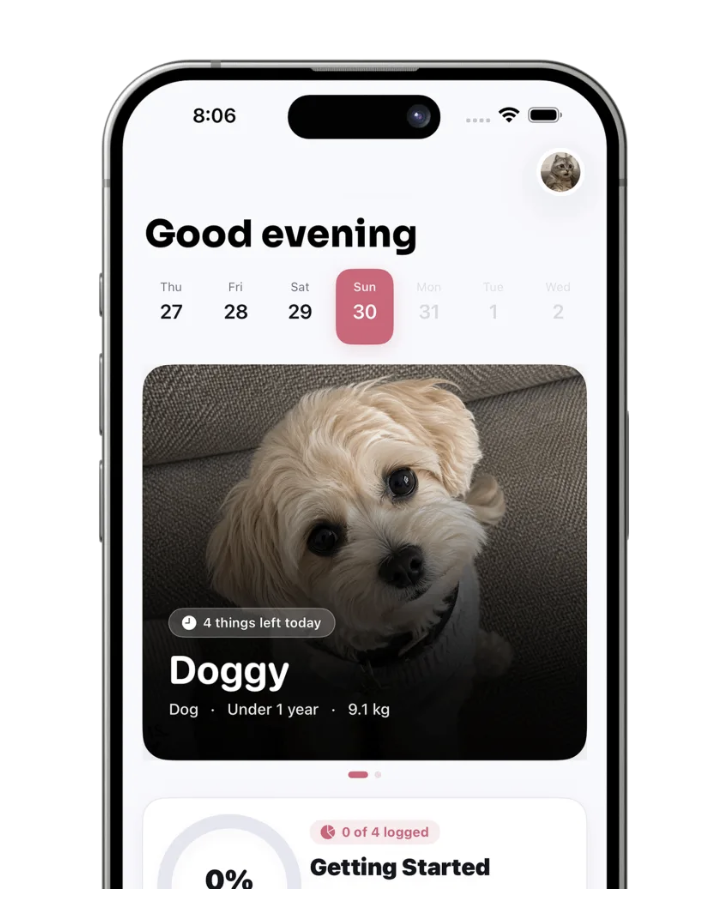
Petive health records can hold allergies, vaccines, medication, weight, veterinary notes, and important documents inside the pet’s profile. Daily logs and weekly reports add the home context between clinical visits. That gives you an organized owner-held history even when several clinics are involved.
Before the appointment, export or summarize only what the clinic requests and verify the transfer. Shared Pack keeps other caregivers aligned on the updated plan afterward. Luna can help organize questions, but it cannot validate old diagnoses or interpret test results.
Explore Petive’s owner-held history.
Quick transfer checklist
- Authorize complete records from every treating clinic.
- Send them early and confirm receipt.
- Prepare a one-page diagnosis, medication, allergy, vaccine, and procedure summary.
- Add a concise recent symptom and daily-care timeline.
- Bring active labels and relevant photos or videos.
- Keep an updated owner-held copy after the visit.
Common questions
Will the old clinic send records automatically?
Not necessarily. Ask both clinics about authorization and transfer procedures. Confirm receipt rather than assuming a request was completed.
Do I need records if my pet seems healthy?
Yes. Vaccine history, previous reactions, medications, test trends, and procedures can affect preventive care and future decisions even when no current symptom exists.
Should I bring paper copies?
Ask the new clinic. Secure digital files are usually easier to search, but a concise paper summary and active medication labels can be useful during the appointment.
Make the next clinic visit a continuation, not a restart. Organize your pet’s current health history in Petive and keep the details ready wherever care happens.
Sources and editorial note
This guide was prepared by the Petive Editorial Team using guidance from established veterinary and animal-care organizations. Unless a named reviewer is shown, it has not been independently reviewed by a veterinarian. It provides general educational information, not veterinary diagnosis or treatment. Ask your veterinarian about your individual pet.