Petive Journal category

Health & Wellness

Sourced guidance on preventive care, common health questions, warning signs, and when to contact your veterinarian.

A veterinarian performing a calm wellness examination with a dog and cat owner

How do I monitor my pet’s recovery after surgery at home?

Monitor your pet’s recovery by following the discharge instructions, giving medication exactly as prescribed, restricting activity, checking the incision, and recording appetite, water intake, bathroom habits, pain, energy, and unusual symptoms. Contact the veterinary team promptly if recovery moves outside the limits they described; seek urgent care for breathing trouble, collapse, uncontrolled bleeding, or severe distress.

Read the guide
An older white-and-brown dog looking toward two treats on separate plates

What should I track when my pet starts a new medication?

When your pet starts a new medication, record every dose, the reason it was prescribed, baseline symptoms, appetite, water intake, bathroom habits, energy, behavior, and any new changes. Follow the label exactly and contact the prescribing veterinarian about suspected side effects, missed doses, vomiting after a dose, or uncertainty—never adjust or discontinue treatment on your own.

Read the guide
An older white-and-brown dog looking toward two treats on separate plates

What health changes should I track as my dog gets older?

As your dog gets older, track changes in weight, appetite, drinking, urination, stool, mobility, sleep, energy, breathing, senses, and behavior. Record when each change began and whether it is progressing. Small patterns can help your veterinarian assess senior health, but sudden or severe changes should prompt a call rather than waiting for your next routine appointment.

Read the guide
An older white-and-brown dog looking toward two treats on separate plates

What should I record when my dog has a seizure?

Record the seizure’s start time, duration, movements, awareness, breathing, possible triggers, recovery behavior, and any medication given. Keep your dog away from hazards, do not restrain them or put anything in their mouth, and contact a veterinarian. A prolonged seizure, repeated seizures, breathing difficulty, injury, or incomplete recovery may require emergency care.

Read the guide
A veterinarian performing a calm wellness examination with a dog and cat owner

How do I remember monthly flea, tick, and heartworm treatments?

Remember flea, tick, and heartworm treatments by keeping each product’s exact schedule in one calendar, setting recurring reminders before the due date, and logging the dose only after it is given. Record the product, strength, pet, date, and caregiver. Confirm prevention and testing with your veterinarian because schedules and parasite risks vary by product and location.

Read the guide
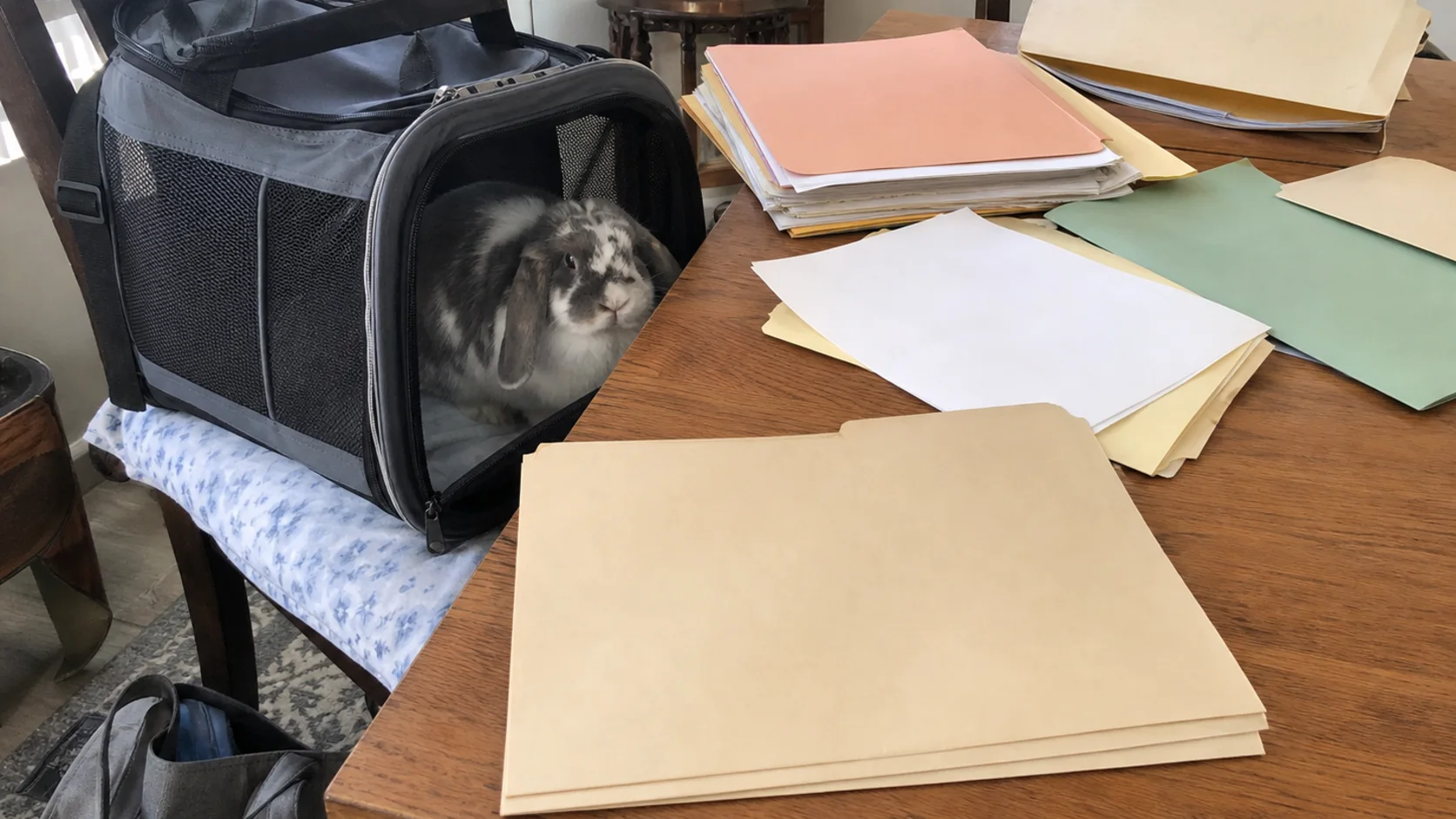
A gray-and-white rabbit beside an open carrier and scattered pet records

How do I share my pet’s medical history with a new veterinarian?

Share your pet’s medical history by asking the previous clinic to transfer the complete record, then give the new veterinarian a concise summary of diagnoses, allergies, medications, vaccines, procedures, test results, diet, and recent changes. Send records before the appointment when possible, verify they arrived, and bring your own current medication list and symptom timeline.

Read the guide
An older white-and-brown dog looking toward two treats on separate plates

Pet Medication Schedule & Dose Handoff Template

Managing prescription medication for a pet requires precise timing, exact dosage tracking, and clear communication between family members and pet sitters. Double-dosing a pet because one person did not know a pill was already given can be dangerous, while missed doses can compromise treatment. A pet medication schedule template organizes Rx details, administration times, food instructions, and caregiver sign-offs in one accessible place.

Read the guide
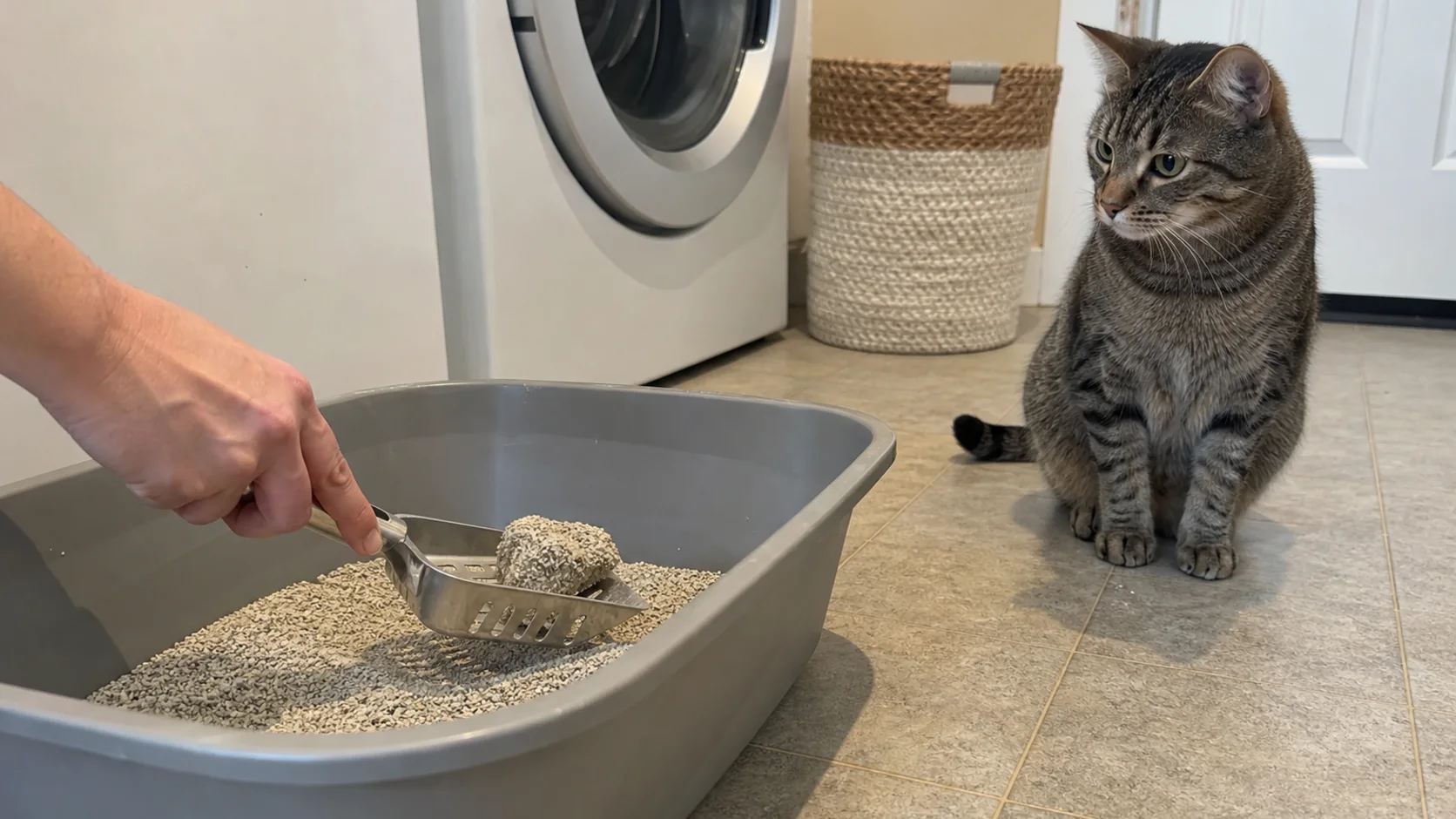
A person scooping a clean open litter box while a cat waits nearby

Cat Litter Box Routine & Health Log: Spotting Early Warning Signs

A cat’s litter box habits are one of the most reliable windows into their internal health. Changes in urination frequency, clump size, straining, or missing the box are frequently the first signs of serious feline medical conditions like feline lower urinary tract disease (FLUTD), urethral obstruction (a life-threatening emergency in male cats), urinary tract infections (UTIs), or kidney issues. Maintaining a clear cat litter box health log helps multi-cat owners track habits and share accurate data with veterinarians.

Read the guide