Prepare for a Vet Appointment
Quick answer: Prepare for a vet appointment by writing a short timeline of concerns, bringing current medication and preventive details, collecting relevant records, and listing your top questions in priority order. Add objective notes about appetite, water, bathroom habits, weight, activity, and behavior. For urgent symptoms, call the clinic first rather than waiting for a scheduled visit.
Decide what the appointment needs to accomplish
Routine wellness, a new symptom, a medication recheck, and a second opinion require different preparation. Write one sentence describing the goal: “annual exam and vaccine review,” “three weeks of increasing nighttime coughing,” or “recheck after starting arthritis medication.” This keeps the visit focused while leaving room for the veterinarian’s examination.
If you have several concerns, rank them. Mention the most urgent issue when booking because the clinic may recommend a different appointment length, clinician, test, or timing. Ask whether your pet should fast, whether a urine or stool sample is useful, and how it should be collected and stored. Do not withhold food, water, or medication unless instructed.
Build a concise timeline the veterinarian can scan
For a symptom visit, include when the problem began, how often it occurs, whether it is changing, what seems to trigger it, and what you have already tried. Dates and examples are better than estimates. “Vomited three times since Monday, always within an hour of breakfast” gives more context than “has been sick lately.”
Bring relevant observations without trying to interpret them as a diagnosis:
- appetite and approximate food consumed;
- water intake or a clear change in drinking;
- urination, stool frequency, consistency, straining, or accidents;
- weight changes measured on a consistent scale;
- sleep, energy, mobility, and exercise tolerance;
- coughing, vomiting, itching, limping, pain, or unusual behavior;
- clear photos or short videos of intermittent signs when safe to capture.
Avoid presenting a month of raw notes with no summary. Lead with the pattern, then keep the detailed history available if the veterinarian wants it.
Bring the records that prevent avoidable guesswork
Create a current list of prescriptions, supplements, flea and tick products, and heartworm prevention. Include names, strengths, doses, frequency, last dose, and prescribing source. Bring prior laboratory results, imaging reports, vaccine history, allergies, diagnoses, surgery dates, and discharge notes when visiting a new clinic or seeking a second opinion.
Also note the food brand, formula, amount, treats, and recent changes. Bring packaging photos if that is easier. If multiple people care for the pet, ask each caregiver about changes before the appointment so an important detail does not remain in somebody else’s message history.
For a wellness visit, include lifestyle changes since the last examination: a move, new pet, boarding stay, travel, altered exercise, new household member, or change in access to wildlife. These details may help the veterinarian choose the most relevant questions and preventive-care discussion.
Ask better questions—and capture the answers
Write your three most important questions first. Useful examples include: What are the likely possibilities? Which signs would change the plan? What should improve, and by when? How should medication be given? What side effects matter? When is the recheck? What would make this an emergency?
During the visit, take notes or ask permission to record instructions. Repeat the plan back in plain language: dose, schedule, duration, diet, activity, monitoring, testing, and follow-up. Before leaving, check that you know whom to call after hours. A good visit ends with specific next steps, not simply more information.
How Petive turns daily care into a useful visit summary
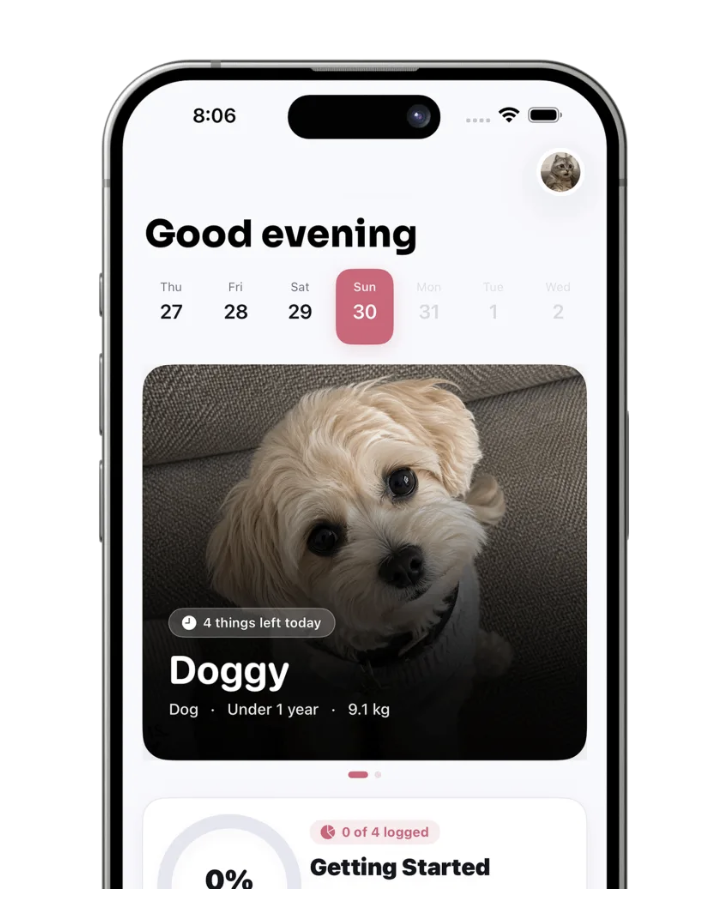
Petive can keep meals, water, medication, weight, symptoms, walks, bathroom updates, and notes in one timeline. Health records hold vaccine, allergy, medication, document, and vet-visit details, while weekly reports compress routine data into a pattern that is easier to discuss.
Before the appointment, review the timeline and extract only the relevant changes. Afterward, save the plan, set reminders, and share tasks through Shared Pack. Luna can help you organize a question list, but a veterinary professional should interpret symptoms, examine the pet, and direct treatment.
Explore Petive’s Health records.
Quick appointment checklist
- State the visit goal and rank concerns.
- Ask about fasting, samples, or pre-visit medication.
- Summarize symptoms with dates, frequency, and change over time.
- Bring current medication, preventive, diet, and prior-record details.
- Prepare three priority questions.
- Confirm the plan, warning signs, and follow-up before leaving.
Common questions
Should I bring photos and videos to the vet?
Yes, when a sign is intermittent and recording is safe. Keep clips short and include context such as date, duration, and what happened before and after. Never delay emergency care to make a recording.
What if my pet gets very anxious at the clinic?
Tell the clinic before the visit. They may suggest quieter timing, waiting arrangements, carrier preparation, handling adjustments, or prescribed pre-visit medication. Do not give calming products without veterinary approval.
How early should I prepare?
For routine care, review records several days ahead. For a new concern, start the timeline as soon as you notice it. Contact the clinic immediately if symptoms may be urgent.
Walk into the appointment with a clear story instead of scattered screenshots. Use Petive to organize the timeline, records, and questions your veterinary team needs to make the visit count.
Sources and editorial note
This guide was prepared by the Petive Editorial Team using guidance from established veterinary and animal-care organizations. Unless a named reviewer is shown, it has not been independently reviewed by a veterinarian. It provides general educational information, not veterinary diagnosis or treatment. Ask your veterinarian about your individual pet.