Monitor Pet Recovery After Surgery
Quick answer: Monitor your pet’s recovery by following the discharge instructions, giving medication exactly as prescribed, restricting activity, checking the incision, and recording appetite, water intake, bathroom habits, pain, energy, and unusual symptoms. Contact the veterinary team promptly if recovery moves outside the limits they described; seek urgent care for breathing trouble, collapse, uncontrolled bleeding, or severe distress.
Start with the instructions for your pet—not a generic timeline
Recovery is different after a dental extraction, spay, orthopedic repair, mass removal, or abdominal procedure. Your veterinarian’s written discharge plan should therefore be the main reference. Before leaving the clinic, confirm when your pet may eat, drink, walk, use stairs, return outside, and have the incision rechecked.
Create one recovery record with the clinic’s phone number, the nearest emergency hospital, medication names and doses, feeding instructions, activity restrictions, follow-up dates, and the signs that should trigger a call. If the instructions seem unclear or conflict with something online, ask the clinic. They know what occurred during the procedure.
Track the same recovery signals every day
Consistent observations are more useful than a vague impression that your pet seems “off.” Record the time and a short, objective description for these areas:
- Medication: name, dose, time given, and the person who gave it. Never repeat a dose because you are unsure; call the clinic for instructions.
- Food and water: what was offered and roughly how much was consumed. Follow any procedure-specific feeding rules.
- Urination and bowel movements: note when they happen and any straining, diarrhea, blood, or prolonged absence.
- Comfort: look for restlessness, trembling, hiding, unusual vocalizing, guarding, panting at rest, or difficulty settling.
- Energy and movement: record whether your pet can stand, walk, and rest as expected without breaking activity restrictions.
- Incision: check only as directed. Note increasing redness, heat, swelling, discharge, odor, bleeding, missing sutures, or an opening in the skin.
- Other symptoms: vomiting, coughing, breathing changes, facial swelling, rash, confusion, or anything specifically listed by the clinic.
A short entry at breakfast, medication time, and bedtime can show whether appetite and comfort are improving. Photographs taken from the same angle and distance can help document an incision, but they should not replace a veterinary examination.
Know which changes should trigger a call
The clinic should define what is normal for the procedure. Call if your pet’s pain seems uncontrolled, medication is vomited or missed, appetite does not return within the clinic’s expected window, bathroom habits concern you, the incision worsens, or recovery stops progressing. Do not stop, add, split, or substitute medication without veterinary direction.
Some signs should not wait for a routine callback. Difficulty breathing, collapse, pale or blue gums, uncontrolled bleeding, repeated vomiting with weakness, a rapidly enlarging swelling, inability to stand, or severe distress warrant urgent veterinary help. If you are unsure whether a sign is urgent, call the clinic or emergency hospital and describe exactly what you see.
Avoid the recovery mistakes that create preventable setbacks
A pet who suddenly seems energetic may still have healing tissue. Running, jumping, rough play, stairs, bathing, licking, and unsupervised outdoor time can cause complications when restricted. Keep the cone or recovery garment on for the duration prescribed, not only when you are watching.
Another common mistake is fragmented caregiving. One person gives medication while another assumes it was not given. Someone offers a full meal without knowing the pet already ate. Use one shared record and assign responsibility for each dose and check. Never use human pain relievers unless a veterinarian specifically prescribed them for that pet.
How Petive can keep the recovery handoff clear
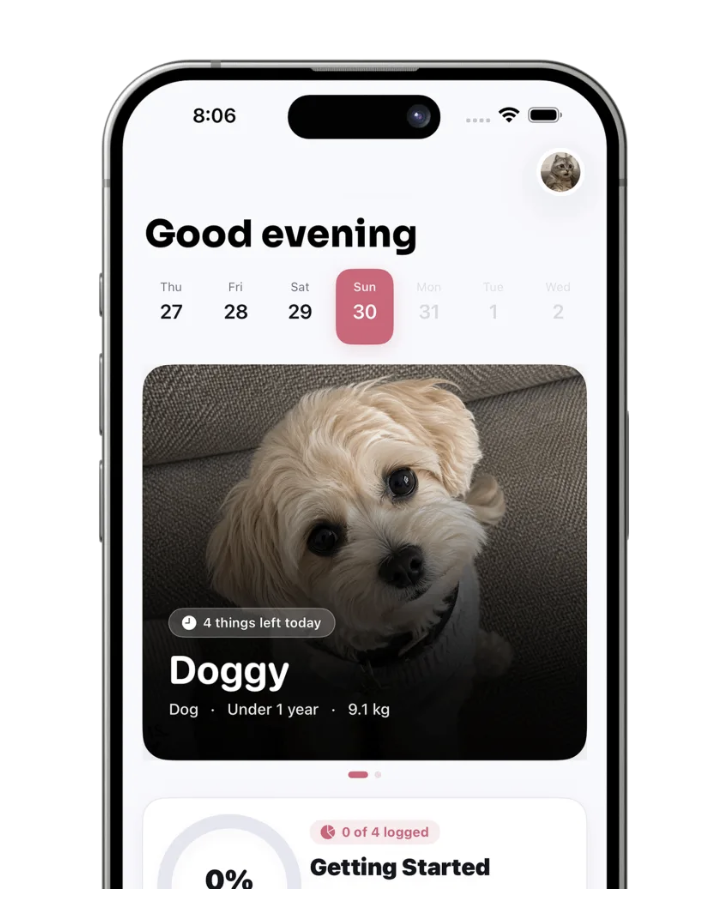
Petive can place meals, water, medication, symptoms, bathroom updates, weight, and notes in one chronological care log. Reminders help keep prescribed times visible, while Shared Pack shows who completed a task. That makes the record useful when family members trade shifts or a sitter helps during recovery.
Add the procedure and discharge notes to the pet’s health record, then log only meaningful observations rather than repeatedly checking a worried pet. A weekly report can summarize the pattern for a follow-up appointment. Luna can help you organize questions, but it cannot examine an incision, diagnose a complication, or replace the veterinary team.
Explore Petive’s one chronological care log.
Quick recovery checklist
- Keep discharge instructions and emergency numbers together.
- Follow medication, feeding, incision, and activity directions exactly.
- Log appetite, water, bathroom habits, comfort, movement, and symptoms.
- Identify who handled each medication dose and care task.
- Call when recovery differs from the veterinarian’s stated expectations.
- Seek urgent help for breathing difficulty, collapse, severe distress, or uncontrolled bleeding.
Common questions
How often should I check my pet’s incision?
Follow the clinic’s instructions. Many owners are asked to look once or twice daily without touching, cleaning, or applying products unless directed. Checking constantly can disturb rest and still cannot rule out a deeper problem.
What if my pet refuses a dose of medication?
Do not force an unsafe technique or double the next dose. Call the prescribing clinic or pharmacist for advice about timing, administration, or an appropriate alternative formulation.
When should my pet act normal again?
There is no universal timeline. Anesthesia effects, pain control, age, and procedure type matter. Use the recovery milestones in your discharge plan and call if progress is slower or symptoms are worsening.
Give every caregiver one reliable recovery timeline. Set up your pet in Petive, add the veterinary plan, and keep medication and daily observations ready for the next check-in.
Sources and editorial note
This guide was prepared by the Petive Editorial Team using guidance from established veterinary and animal-care organizations. Unless a named reviewer is shown, it has not been independently reviewed by a veterinarian. It provides general educational information, not veterinary diagnosis or treatment. Ask your veterinarian about your individual pet.