Remember Parasite Prevention
Quick answer: Remember flea, tick, and heartworm treatments by keeping each product’s exact schedule in one calendar, setting recurring reminders before the due date, and logging the dose only after it is given. Record the product, strength, pet, date, and caregiver. Confirm prevention and testing with your veterinarian because schedules and parasite risks vary by product and location.
Start with the label and veterinary plan
“Monthly prevention” is not one interchangeable category. Products target different parasites, use different active ingredients, have species and weight restrictions, and may follow different schedules. A dog product may be dangerous for a cat. Use only the product selected or approved for the individual pet and follow its dispensing label.
Create a record with the product name, active ingredients if available, strength, weight range, route, interval, start date, next due date, prescribing clinic, and refill source. Note required heartworm tests or follow-up dates. Ask the veterinarian what protection is appropriate where you live and where the pet travels.
Use a reminder system that records completion
Set two alerts: an early reminder for ordering or collecting the product, then a due-date reminder for administration. A notification alone does not prove the treatment happened. Mark it complete only afterward and record who gave it.
For multiple pets, create a separate schedule for each animal even when dates match. Link every entry to the correct product and weight range. Keep packaging until the dose is documented, then note the lot number when the veterinarian or manufacturer recommends it. Check supply before holidays, travel, boarding, and seasonal moves.
If a dose may be late, missed, vomited, washed off, or incorrectly applied, contact the veterinarian or manufacturer rather than automatically repeating it. The safe next step depends on the product and circumstances.
Tie the treatment date to a stable cue, such as the first Saturday of the month, only when that still matches the prescribed interval. Calendar months are not identical in length, and some products are not monthly. The written due date must take priority over a memorable household routine.
Avoid common prevention gaps
Do not assume cold weather eliminates risk or that an indoor pet has no exposure. Local climate, mosquitoes, wildlife, other animals, and travel affect the plan. Do not split products between pets, estimate weight, reuse an old prescription after a major weight change, or combine preventives without professional guidance.
Keep annual tests and wellness visits visible alongside dose reminders. Prevention is a continuing veterinary plan, not a box to buy once.
Keep refills ahead of the next due date
Count remaining doses after each administration and set the refill reminder while the package is in your hand. Allow time for prescription approval, shipping, clinic holidays, and required testing. If you use auto-refill, still verify the correct pet, strength, delivery address, and arrival date.
Travel deserves a separate check. Parasite exposure and product availability may differ at the destination, and international or boarding requirements can add documentation. Tell your veterinarian where the pet is going well before departure. Pack products in original labeled containers and keep the administration history with the travel records.
Review the schedule after every meaningful change
A new pet, move, weight change, illness, pregnancy, nursing, medication change, or adverse reaction can affect the prevention conversation. Add the change to the health record and ask whether the existing plan remains appropriate. Do not wait for a reminder to expose a mismatch between an old product and the pet’s current details.
At each wellness visit, bring the completion history rather than relying on a rough “usually every month.” The veterinarian can see gaps, confirm testing, and align future due dates. If several caregivers participate, use the visit to agree on one owner for refills and one backup for administration.
How Petive keeps every preventive attached to the right pet
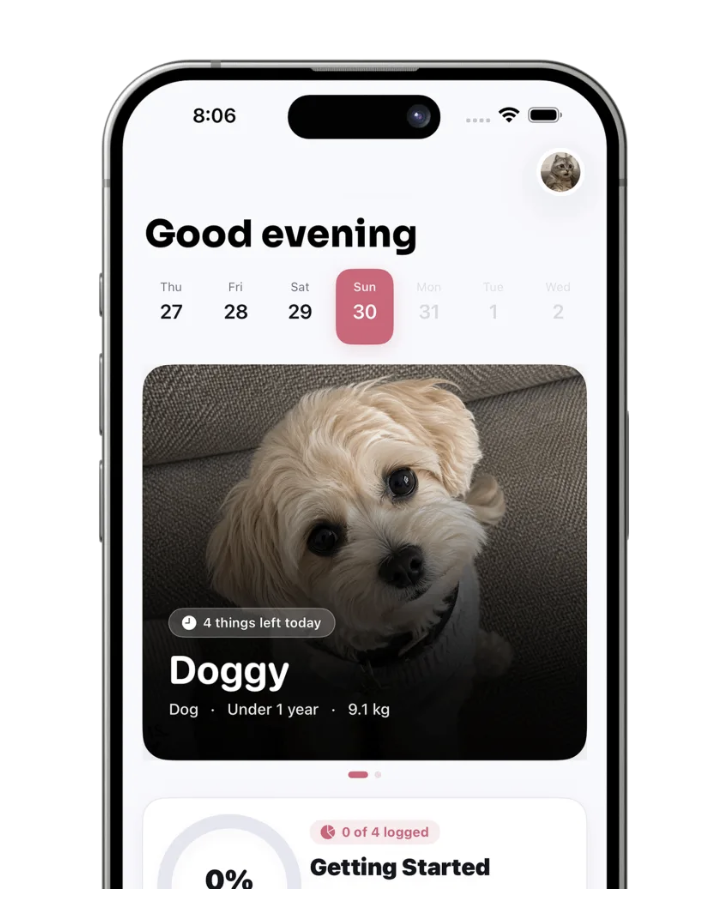
Petive reminders can make recurring health tasks visible, while completed medication entries create a dated history. Pet profiles keep species, weight, allergies, and health information separate. Shared Pack shows whether a partner or family member already handled the treatment.
Save product and clinic details in health records, log the actual administration time, and schedule the next reminder before closing the entry. This creates a useful history for wellness visits and travel forms. Luna can explain general terminology, but product selection, dosing, missed-dose advice, and testing belong to the veterinarian.
Explore Petive’s recurring health tasks.
Quick prevention checklist
- Confirm the correct product and schedule with the veterinarian.
- Record product, strength, pet, date, and caregiver.
- Set an early refill alert and a due-date reminder.
- Mark completion only after administration.
- Keep testing, wellness, travel, and weight changes in the plan.
- Call about missed or uncertain doses instead of guessing.
Common questions
Can I give all my pets prevention on the same day?
Possibly, but only if each pet has the correct veterinarian-approved product and schedule. Never exchange dog and cat products or divide one dose between animals.
What if my pet’s weight changes?
Ask the clinic before the next dose. Many products use weight ranges, and a meaningful change may require a different strength or plan.
Do indoor pets still need parasite prevention?
Risk varies, but indoor living does not automatically eliminate exposure. Discuss the pet’s species, home, region, travel, and contact with other animals with your veterinarian.
Replace uncertain calendar math with a verified history. Add each pet’s prevention plan to Petive and let the whole household see what is due and what is already done.
Sources and editorial note
This guide was prepared by the Petive Editorial Team using guidance from established veterinary and animal-care organizations. Unless a named reviewer is shown, it has not been independently reviewed by a veterinarian. It provides general educational information, not veterinary diagnosis or treatment. Ask your veterinarian about your individual pet.