
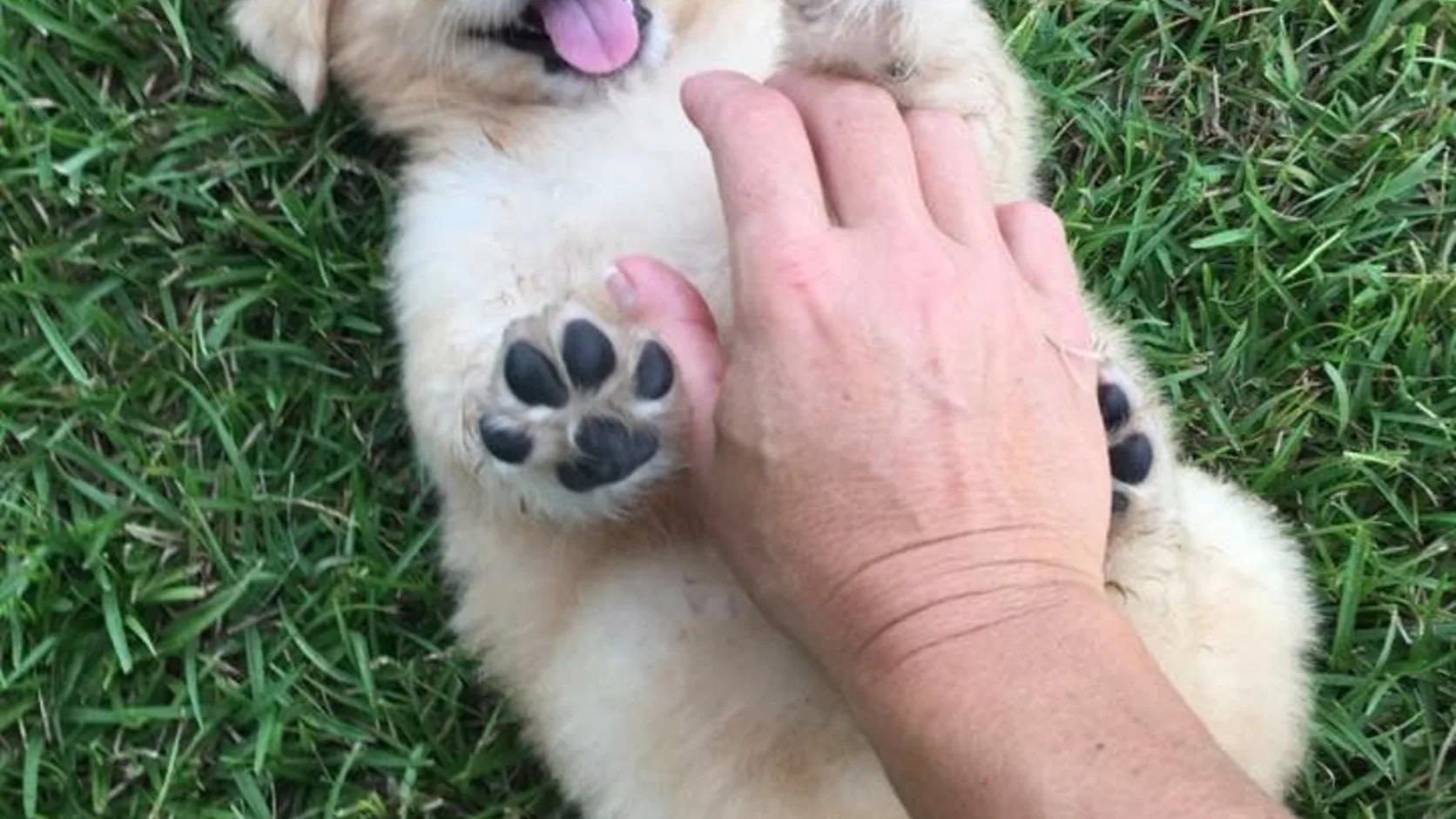
How to Keep Track of Your Pet's Daily Care
You fed the dog this morning — you're fairly sure.
Read the guidePetive Journal category
Practical guides for feeding, walks, routines, tracking, and the everyday moments that keep pets well.
You fed the dog this morning — you're fairly sure.
Read the guide
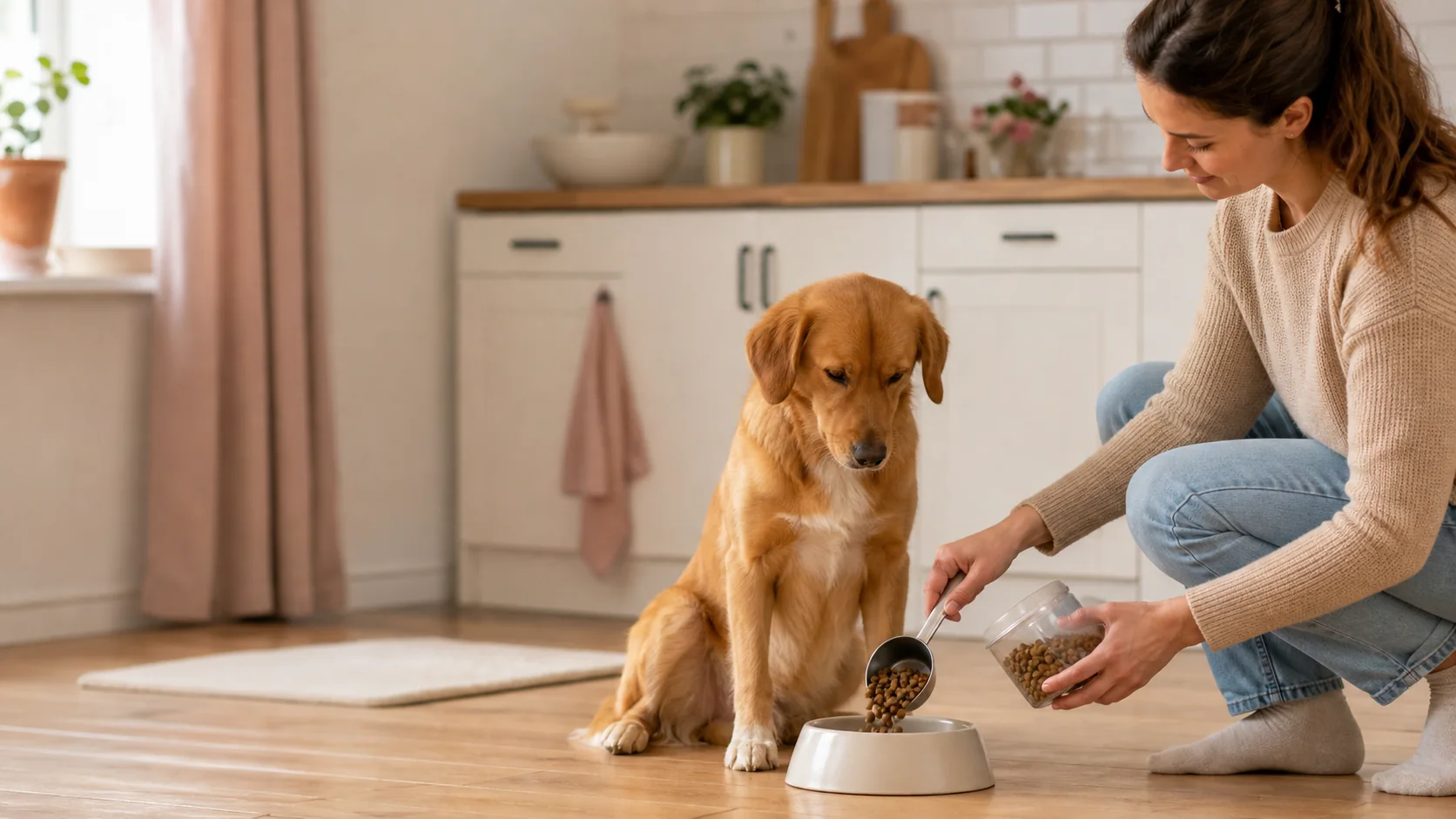
A dog feeding schedule should specify the dog's food, total daily amount, meal times and the person responsible for each meal.
Read the guide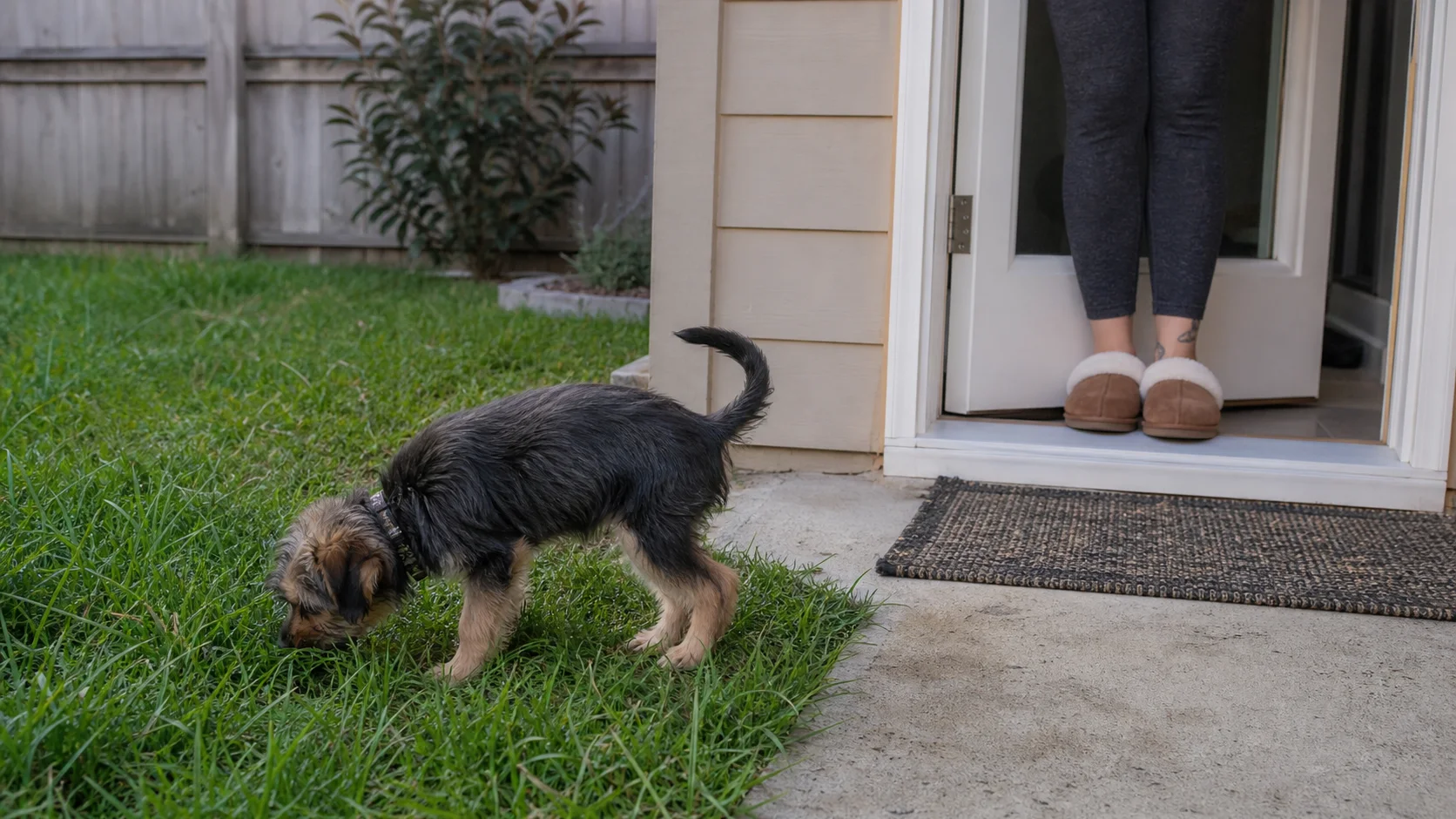
During your new dog’s first 30 days, track meals, water, bathroom habits, sleep, energy, behavior, training, medication, and health concerns. Record routines and triggers without judging progress against a rigid deadline. A consistent log helps your household respond predictably, gives your veterinarian useful context, and reveals gradual adjustment that memory can easily miss.
Read the guide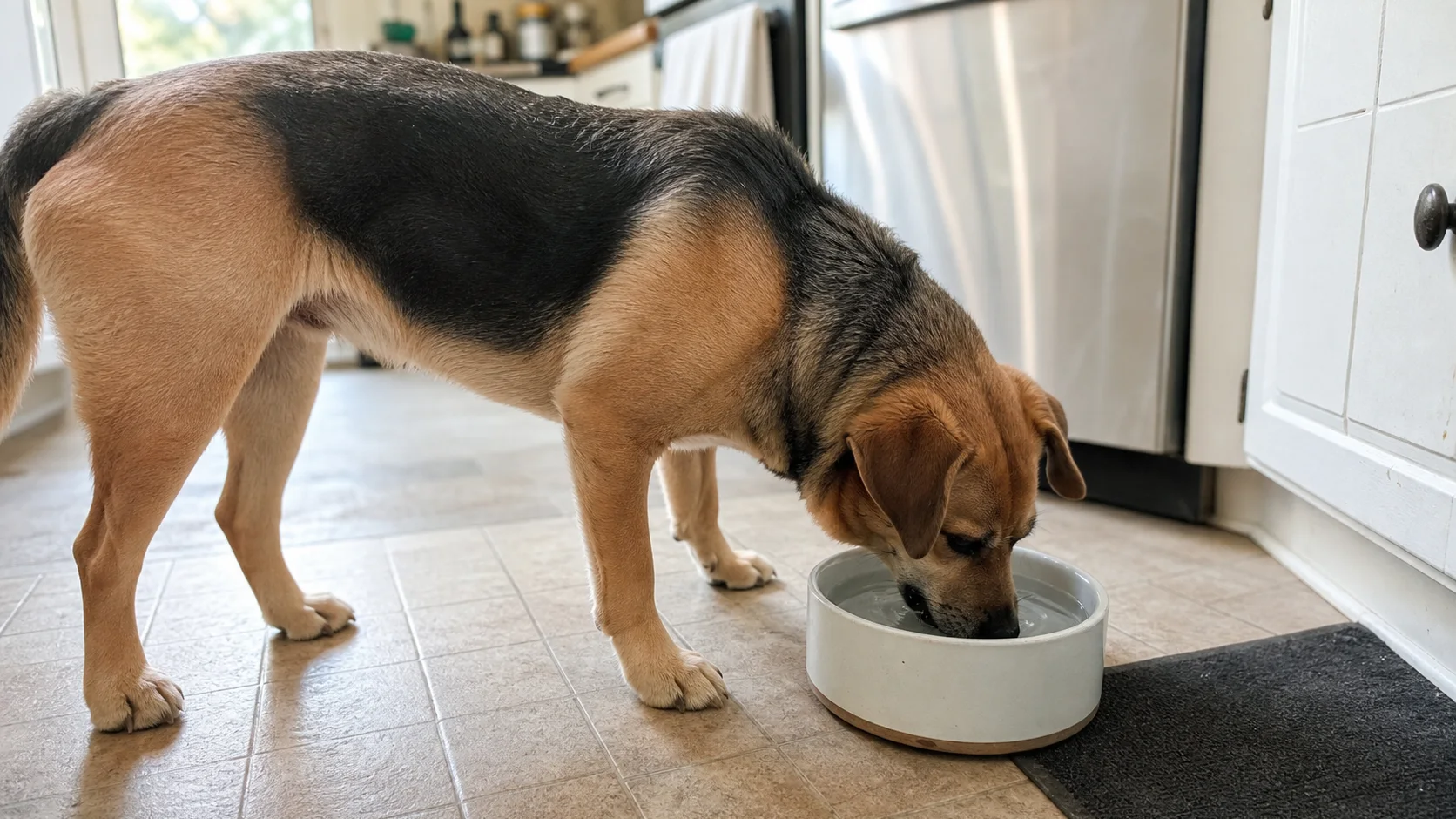
A practical weight-based starting point, plus the factors that change water needs and the signs that matter more than one number.
Read the guide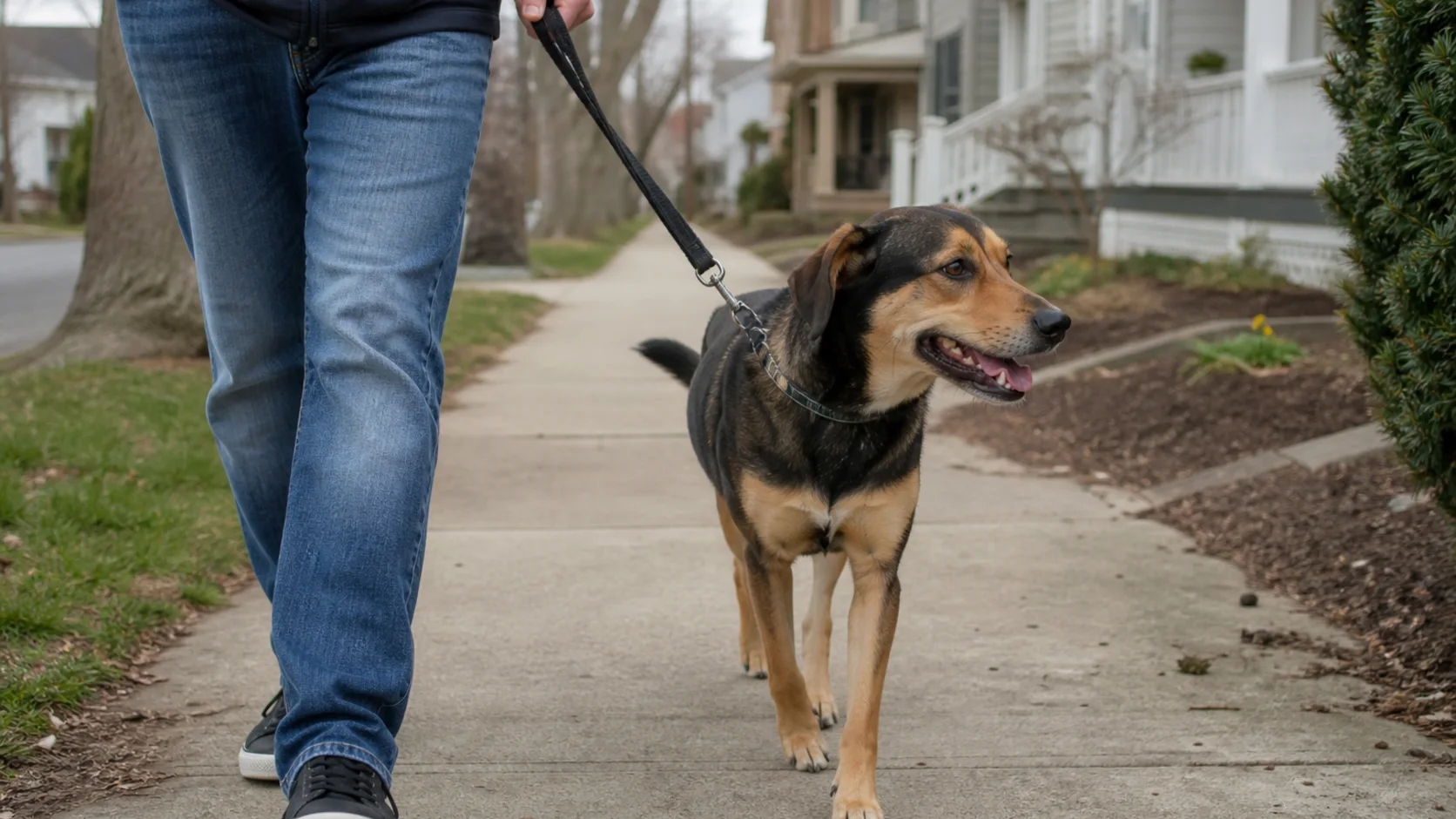
A realistic starting schedule for daily walks—and the age, health, weather, and behavior signals that should change it.
Read the guide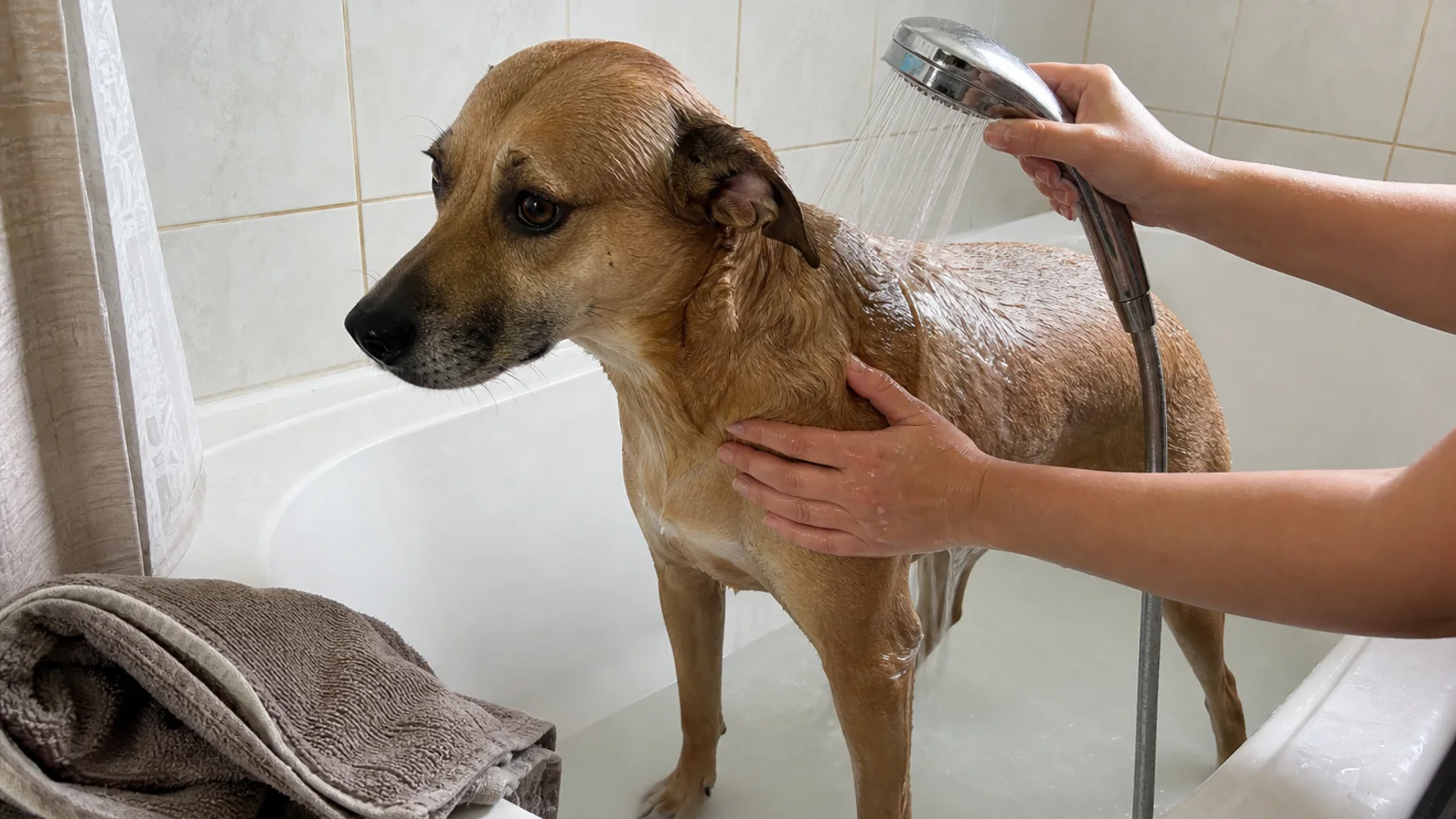
Most dogs need baths when coat and lifestyle call for one—not because a universal monthly rule says so.
Read the guide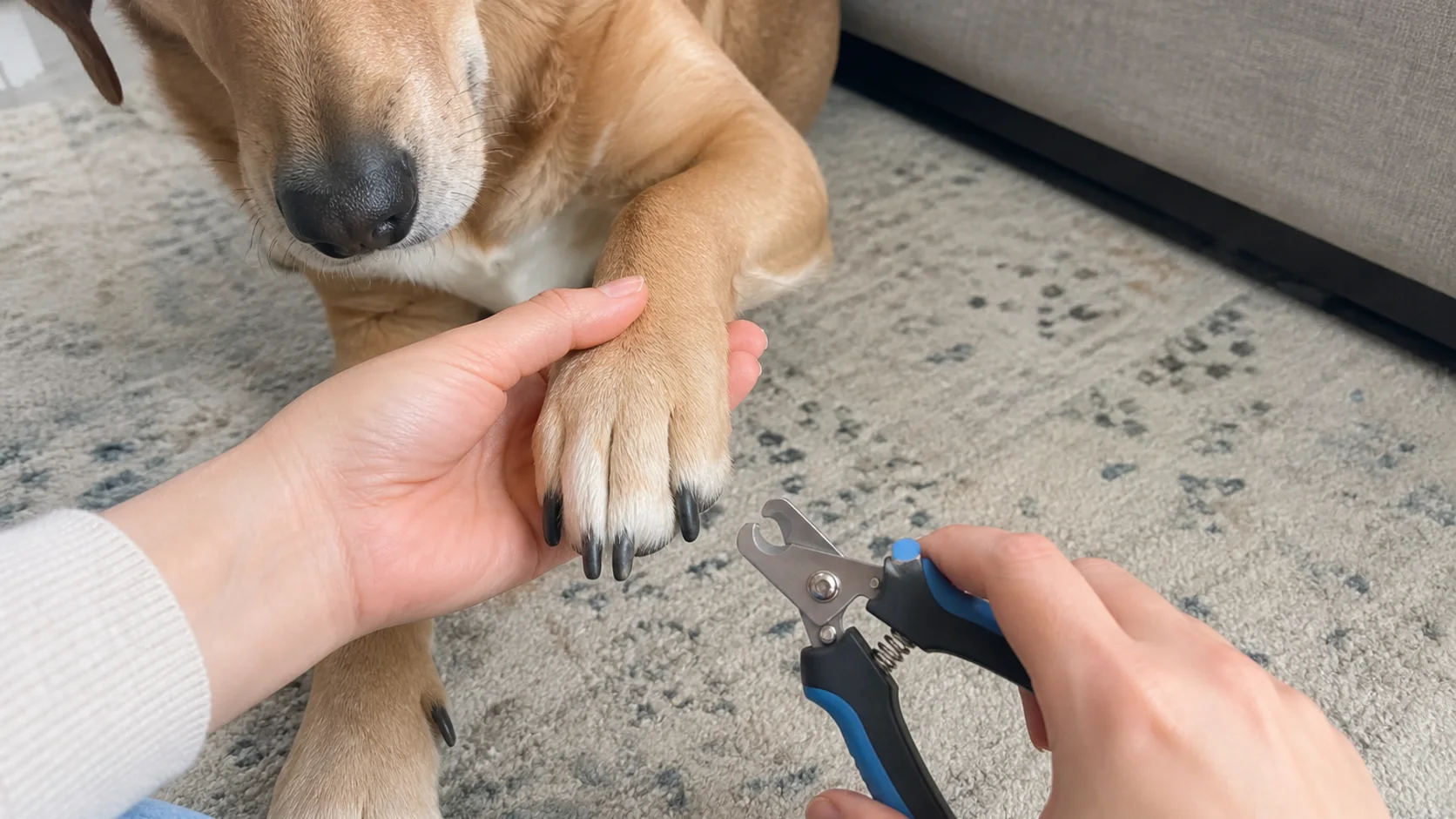
Use the three-to-four-week guideline, then adjust using the way your dog’s nails sound, rest, wear, and grow.
Read the guideThe predictable moments matter most: waking, eating, drinking, playing, confinement, and bedtime.
Read the guide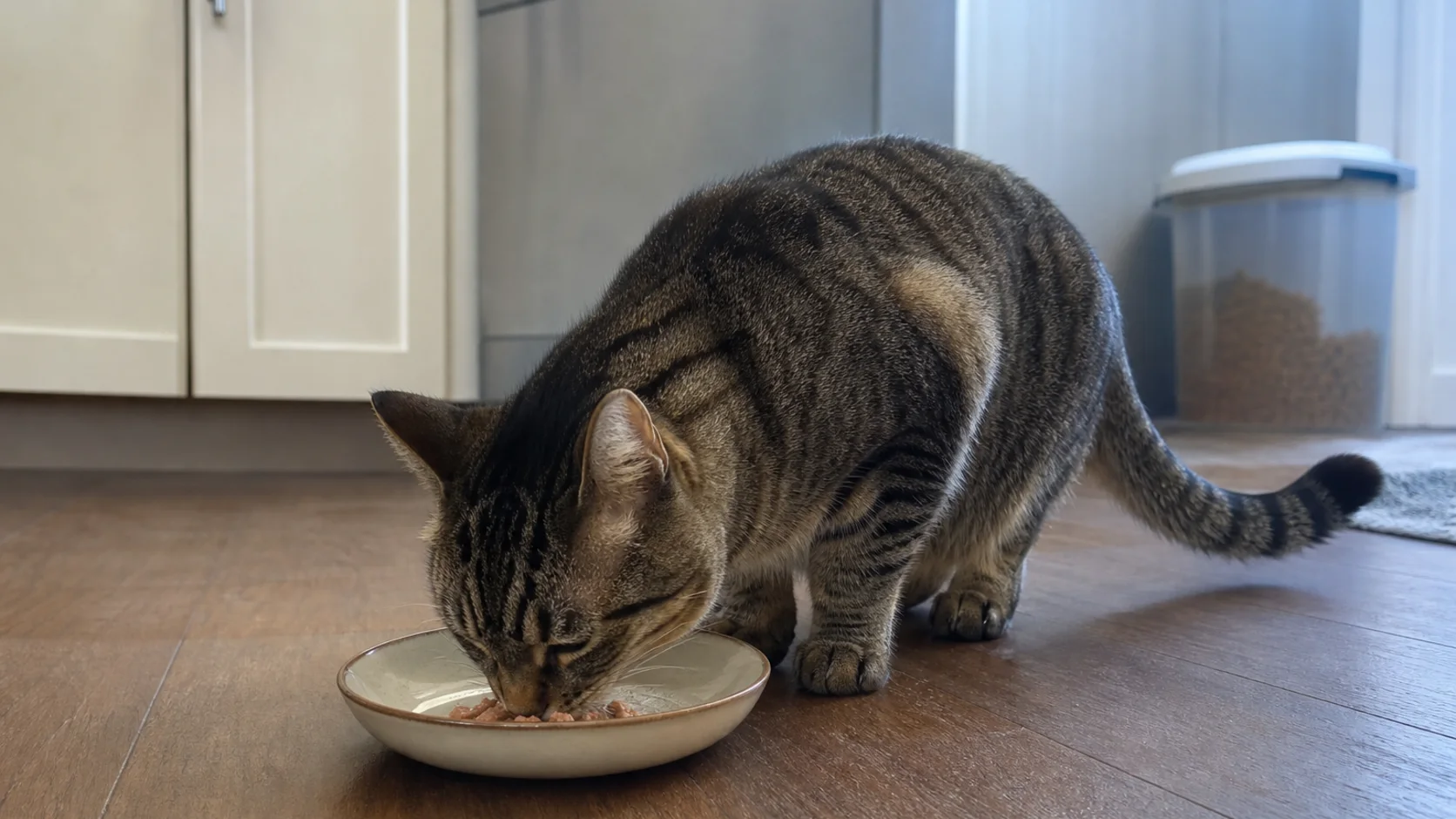
At least two measured meals is a practical adult starting point, with more frequent feeding for kittens and some individual cats.
Read the guide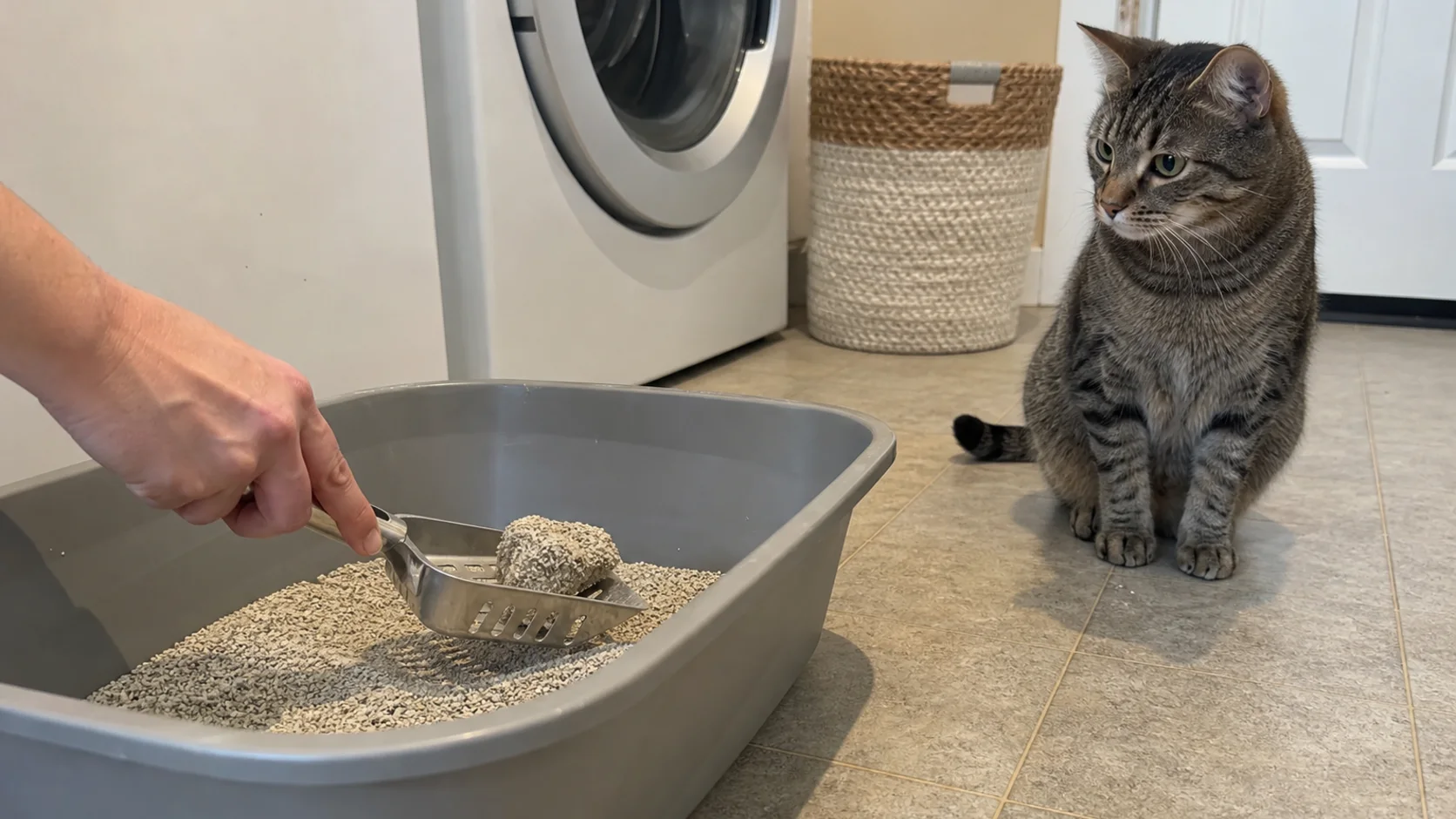
Scoop at least daily, wash on a consistent schedule, and treat sudden avoidance as information—not bad behavior.
Read the guide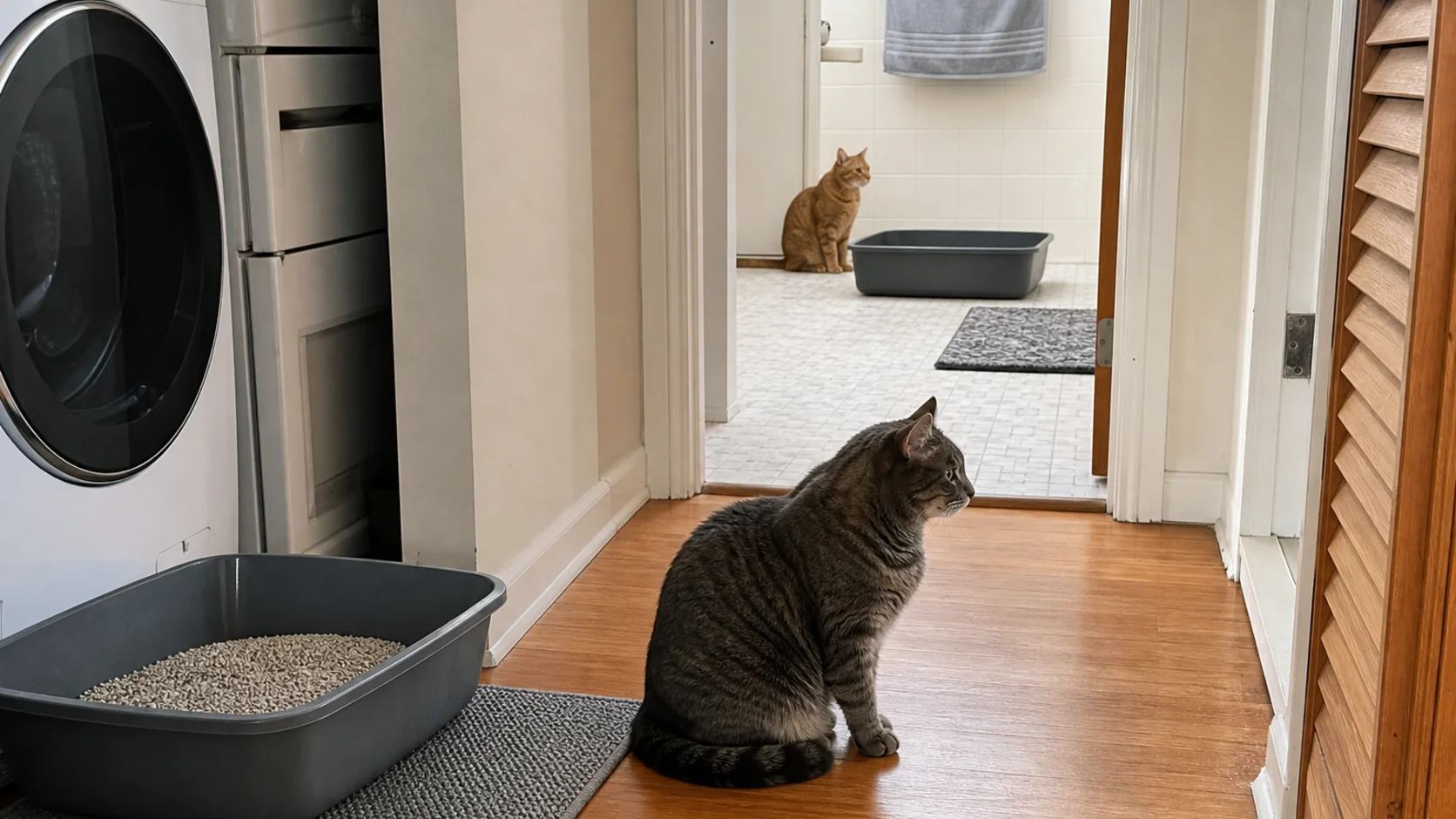
Two cats start with three boxes—and placing all three beside one another can defeat the point.
Read the guide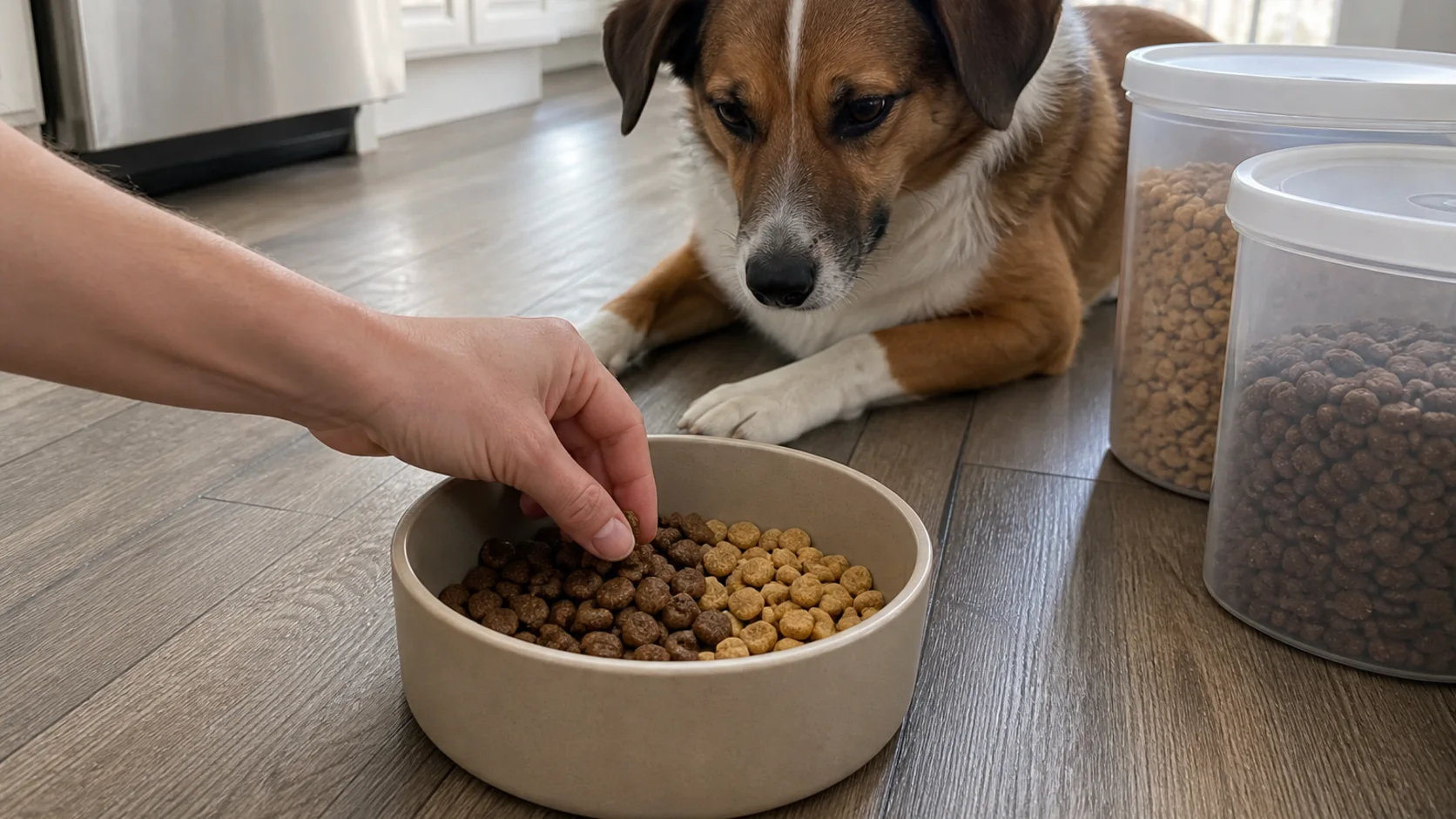
Move from 75% old food to 100% new food in stages, then slow down when your dog’s stomach or treatment plan requires it.
Read the guide