
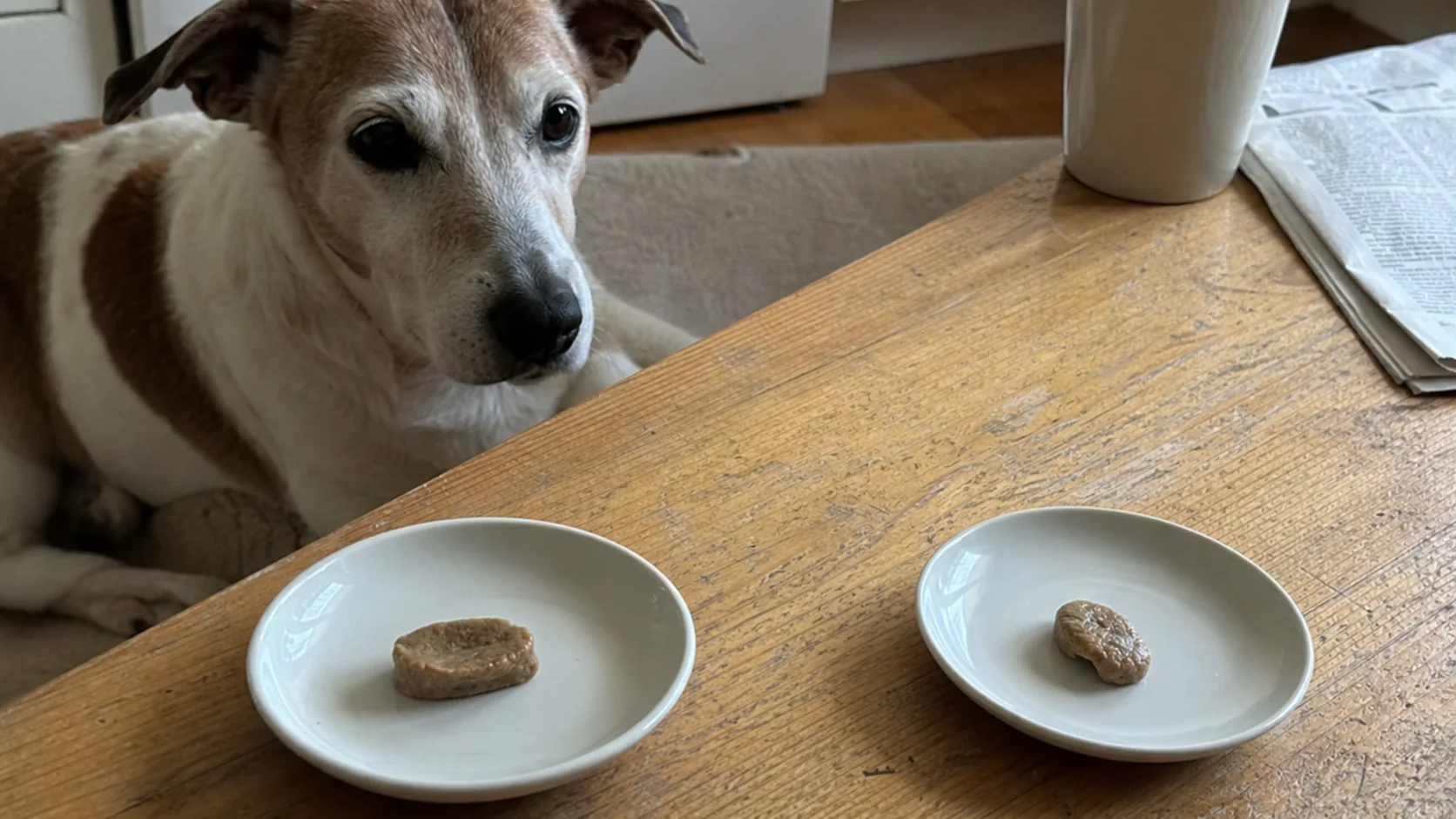
Senior Dog Health Changes
Quick answer: As your dog gets older, track changes in weight, appetite, drinking, urination, stool, mobility, sleep, energy, breathing, senses, and behavior. Record when each change began and whether it is progressing. Small patterns can help your veterinarian assess senior health, but sudden or severe changes should prompt a call rather than waiting for your next routine appointment.
Aging is gradual, but health changes still deserve attention
Slower movement or longer sleep may accompany aging, yet “just getting old” should not become an explanation for every change. Pain, dental disease, organ problems, sensory loss, cognitive changes, and other conditions can look like ordinary aging. Earlier assessment may create more options for comfort and treatment.
Ask your veterinarian when your individual dog should be considered senior and how often wellness visits are appropriate. Size, breed, history, and current health all matter. Establishing a baseline while your dog feels well makes later changes easier to describe.
Track changes across the whole dog
Use consistent, brief observations in these categories:
- Weight and body condition: measure at regular intervals and note visible muscle loss, especially around the back and hindquarters.
- Appetite and chewing: record reduced interest, dropping food, chewing on one side, new pickiness, or difficulty swallowing.
- Water and urination: note meaningful increases, accidents, straining, changes in frequency, or inability to urinate.
- Stool and digestion: track diarrhea, constipation, vomiting, stool color, and frequency.
- Mobility and comfort: watch rising, lying down, stairs, jumping, slipping, pace, stiffness, and willingness to walk.
- Sleep and nighttime behavior: record pacing, restlessness, reversed sleep patterns, staring, or waking the household.
- Mood and cognition: note withdrawal, irritability, anxiety, getting stuck, seeming lost in familiar places, or changed interaction.
- Breathing and stamina: record coughing, panting at rest, faster breathing, or reduced exercise tolerance.
- Vision, hearing, skin, and lumps: note navigation problems, startling, new masses, wounds, odor, itching, or coat changes.
One isolated entry rarely tells the full story. Repeated observations—such as needing three attempts to stand on four mornings—give the veterinarian a clearer pattern.
Use ordinary language and a stable routine for recording. “Walked for eight minutes before stopping twice” is easier to compare next week than “seemed tired.” When several people help, agree on the same terms so “small meal” or “short walk” means roughly the same thing to everyone.
Measure function, not only symptoms
Quality of life is visible in everyday abilities. Can your dog reach food and water, toilet comfortably, rest without repeated repositioning, enjoy social contact, and participate in favorite activities? Choose a few personal markers, such as greeting at the door, finishing a short sniff walk, or settling through the night.
Score those markers consistently rather than changing the standard each day. Photos or short videos of walking, rising, breathing, or unusual behavior can provide useful context when safely recorded. Never provoke pain or fatigue to “test” a senior dog.
Know when a change should not wait
Call your veterinarian about persistent or progressing changes, unexplained weight loss, new pain, appetite or thirst changes, repeated vomiting or diarrhea, coughing, new confusion, or altered bathroom habits. Seek urgent help for breathing difficulty, collapse, inability to urinate, uncontrolled bleeding, seizures, a swollen painful abdomen, severe distress, or other emergency signs identified by your clinic.
Do not start human pain relievers or supplements without veterinary guidance. Products can interact with medications or be unsafe for dogs. The record helps you communicate; it does not determine a diagnosis.
How Petive makes gradual change easier to see
Petive can connect weight checks, meals, water, walks, medication, and free-form care notes to one senior-dog timeline. Reminders keep recurring medication and rechecks visible. The Today and This Week filters let you review the underlying entries without claiming that Petive generates trend analysis or a weekly report.
With Shared Pack, family members can document what they actually observed instead of comparing memories. Keep owner-entered vaccination, appointment, treatment, observation, and lab or test notes in the health area, while retaining original clinic documents separately. Luna can help structure questions, but it cannot perform an examination or determine whether a senior change is normal.
Explore Petive’s Care history.
Quick senior-dog checklist
- Establish normal weight, appetite, water, bathroom, sleep, and activity patterns.
- Track changes with dates, frequency, and objective examples.
- Use the same quality-of-life markers each week.
- Share observations across caregivers.
- Schedule senior wellness care at the interval your veterinarian recommends.
- Call sooner for persistent changes; use emergency care for severe signs.
Common questions
How often should I weigh my senior dog?
Ask your veterinarian based on health and size. Monthly may be useful for a stable dog, while an active condition may require a different schedule. Use the same reliable scale and method whenever possible.
Is sleeping more always normal in an older dog?
Not always. Track the change alongside comfort, nighttime restlessness, appetite, engagement, and mobility. A new or substantial sleep change deserves veterinary discussion.
What should I bring to a senior wellness visit?
Bring the current medication and supplement list, diet details, weight history, vaccine and medical records, and a concise summary of changes. Include short videos when they capture intermittent mobility or behavior signs safely.
Senior care gets clearer when small observations become a dependable history. Create your dog’s Petive profile and start a calm weekly record you can share at the next veterinary visit.
Sources and editorial note
This guide was prepared by the Petive Editorial Team using guidance from established veterinary and animal-care organizations. Unless a named reviewer is shown, it has not been independently reviewed by a veterinarian. It provides general educational information, not veterinary diagnosis or treatment. Ask your veterinarian about your individual pet.