Record a Dog Seizure
Quick answer: Record the seizure’s start time, duration, movements, awareness, breathing, possible triggers, recovery behavior, and any medication given. Keep your dog away from hazards, do not restrain them or put anything in their mouth, and contact a veterinarian. A prolonged seizure, repeated seizures, breathing difficulty, injury, or incomplete recovery may require emergency care.
Safety comes before documentation
If a seizure begins, move objects that could cause injury and block access to stairs, water, traffic, or sharp edges when you can do so safely. Dim lights and reduce noise. Do not hold the dog down, place fingers near the mouth, or attempt to pull out the tongue. Dogs do not swallow their tongues, and involuntary jaw movement can cause serious bites.
Start a timer immediately. It can feel much longer than it is. Follow the emergency plan your veterinarian provided. If this is the first known seizure, call a veterinary professional for prompt guidance even if your dog appears to recover.
Capture the details a veterinarian cannot observe later
Write or dictate notes as soon as it is safe. Record:
- exact start and stop times;
- what your dog was doing immediately beforehand;
- whether the event began in one body area or appeared generalized;
- stiffness, paddling, twitching, jaw movement, drooling, urination, or defecation;
- whether your dog responded to their name or surroundings;
- breathing and gum color if safely visible from a distance;
- possible access to toxins, new medication, missed medication, illness, heat, injury, or unusual food;
- how long disorientation, pacing, hunger, thirst, temporary vision trouble, weakness, or unusual behavior lasted afterward;
- any rescue medication used, including dose and time.
A short video can be valuable if another person can record without delaying safety or care. Capture the whole body from a safe distance and stop if filming distracts from timing the event or contacting the clinic.
Build a seizure log that shows the pattern
One entry documents an event; repeated entries can show frequency, clustering, duration, recovery, and relationship to medication. Give every seizure a separate record. Include date, time of day, sleep or activity context, suspected trigger, duration, post-seizure period, veterinary contact, and any treatment change.
Keep the active medication list with exact dose times and note missed, late, spat-out, or vomited doses. Do not change anti-seizure medication or stop it abruptly unless the prescribing veterinarian directs you. Bring the log to every recheck and keep emergency instructions available to all caregivers.
Know when to seek emergency veterinary care
Your veterinarian should define the emergency threshold for your dog. In general, urgent assessment is needed for a seizure that lasts several minutes, repeated seizures close together, a first seizure, suspected toxin exposure, injury, breathing trouble, pregnancy, very young age, or failure to recover as expected. Because recommendations depend on the individual dog, call while timing rather than waiting for an article’s cutoff.
If the clinic has prescribed rescue medication, keep the written instructions with it and teach every caregiver how and when it should be used. Confirm the nearest open emergency hospital before a crisis occurs.
After speaking with the clinic, add its advice to the event record: whether to monitor at home, come in immediately, change the next appointment, or use the existing rescue plan. Record the name of the clinic and time of the call. This prevents a later caregiver from acting on an incomplete retelling and gives the veterinary team a traceable history at follow-up.
How Petive can organize seizure history between visits
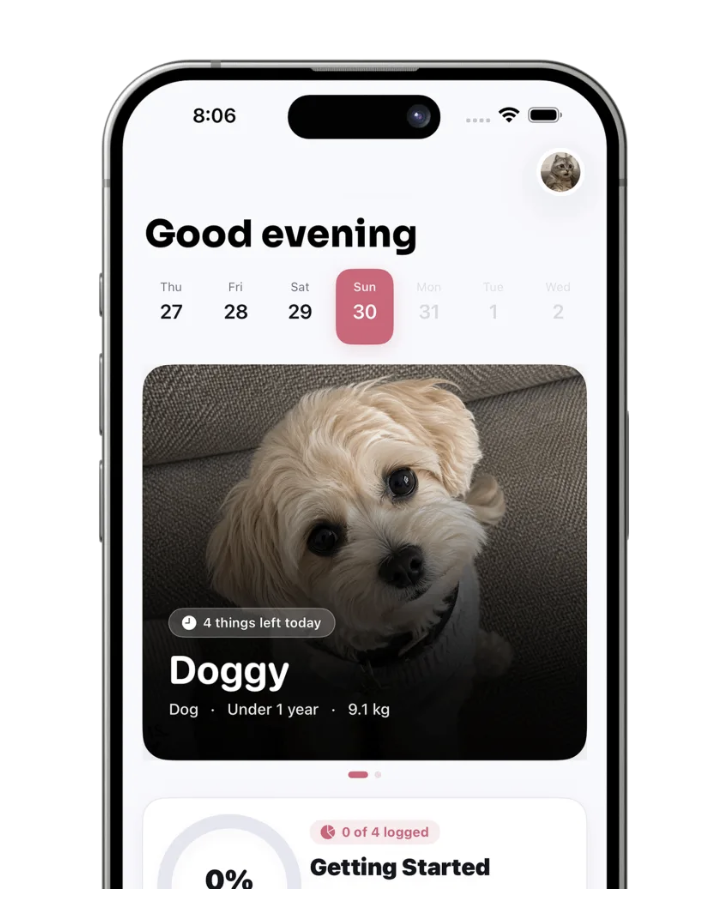
Petive can store each seizure as a timestamped symptom note beside meals, medication, sleep-related observations, weight, and other care events. Medication reminders and completion records make it easier to see whether doses were on time. Shared Pack gives every trusted caregiver the same emergency instructions and current history.
Save diagnostic notes, medication details, and follow-up dates in health records. A weekly report can help summarize events for the veterinary team. Luna may help format observations into questions, but seizure triage and treatment decisions belong to a veterinarian or emergency hospital.
Explore Petive’s Shared Pack.
Quick seizure-record checklist
- Make the area safe and start a timer.
- Do not restrain the dog or put anything in the mouth.
- Record movements, awareness, breathing, and recovery behavior.
- Note possible exposures and medication timing.
- Call the veterinarian and follow the dog’s emergency plan.
- Keep every event in one chronological log shared with caregivers.
Common questions
Should I video my dog’s seizure?
Only if it is safe and does not delay timing, hazard removal, or veterinary contact. A short full-body video can help distinguish events, but your dog’s safety comes first.
What should I do after the seizure stops?
Keep the environment quiet and prevent falls or escape while your dog is disoriented. Observe breathing and recovery from a safe distance, record the duration of the recovery period, and contact the veterinarian.
Can I wait until the next appointment to mention a seizure?
Do not assume that is safe. Contact the clinic when a seizure occurs so they can advise based on duration, repetition, age, history, medication, and recovery.
Make the emergency plan before the next event. Add medication, clinic contacts, and a seizure-note template to Petive so every caregiver knows what to record and whom to call.
Sources and editorial note
This guide was prepared by the Petive Editorial Team using guidance from established veterinary and animal-care organizations. Unless a named reviewer is shown, it has not been independently reviewed by a veterinarian. It provides general educational information, not veterinary diagnosis or treatment. Ask your veterinarian about your individual pet.