Dog Walker Daily Log
Quick answer: A dog walker daily log template provides a clear, reliable system for family members, professional dog walkers, and pet sitters to communicate walk details. Tracking the time, duration, leash behavior, stool quality, and hydration ensures every caregiver knows when a dog was last walked and whether any health flags occurred. Using a structured handoff template eliminates guesswork, prevents double-walking, and helps spot early signs of digestive or mobility issues.
Essential fields for a complete dog walker log
A thorough dog walk log captures both routine logistics and subtle health indicators. The table below lists the essential fields that should be recorded after every walk.
| Field Name | Purpose | What to Record |
|---|---|---|
| Date & Time | Handoff timing | Exact start and end times of the walk |
| Walker Name | Caregiver accountability | Name of family member or hired walker |
| Walk Duration & Route | Exercise tracking | Minutes walked and distance/route taken |
| Urination & Stool | Digestive monitoring | Pee count, stool consistency (firm/loose), color |
| Hydration & Treats | Consumption log | Water offered/consumed, treats given |
| Behavior & Mood | Temperament check | Energy level, reactivity to dogs/cars, leash manners |
| Incidents / Flags | Safety & health alert | Limping, eating off ground, weather discomfort |
Free printable dog walker daily log template
Copy or print this simple template for household notice boards, fridge clipboards, or binder handoffs.
======================================================
               PETIVE DOG WALKER DAILY LOG
======================================================
Dog Name: _____________________  Date: _______________

[ ] MORNING WALK
  Time Out: _______ Time In: _______ Walker: ___________
  Urination:  ( ) Yes  ( ) No
  Bowel Movement: ( ) Normal  ( ) Soft/Loose  ( ) None
  Water Given: ( ) Yes  ( ) No   Treats: ______________
  Notes / Behavior: ___________________________________

[ ] MIDDAY WALK
  Time Out: _______ Time In: _______ Walker: ___________
  Urination:  ( ) Yes  ( ) No
  Bowel Movement: ( ) Normal  ( ) Soft/Loose  ( ) None
  Water Given: ( ) Yes  ( ) No   Treats: ______________
  Notes / Behavior: ___________________________________

[ ] EVENING WALK
  Time Out: _______ Time In: _______ Walker: ___________
  Urination:  ( ) Yes  ( ) No
  Bowel Movement: ( ) Normal  ( ) Soft/Loose  ( ) None
  Water Given: ( ) Yes  ( ) No   Treats: ______________
  Notes / Behavior: ___________________________________
======================================================Common questions
What should a professional dog walker include in a client update?
Include walk duration, potty status (pee and stool quality), water offered, leash behavior, and any unusual health or environmental observations.
How often should an adult dog be walked daily?
Most healthy adult dogs need 3 to 4 outdoor breaks per day, including at least 20 to 30 minutes of active walking exercise tailored to their breed and fitness level.
Why is tracking stool consistency during walks important?
Changes in stool consistency can be early indicators of dietary indiscretion, parasites, stress, or gastrointestinal infection. Consistent logging helps identify issues early.
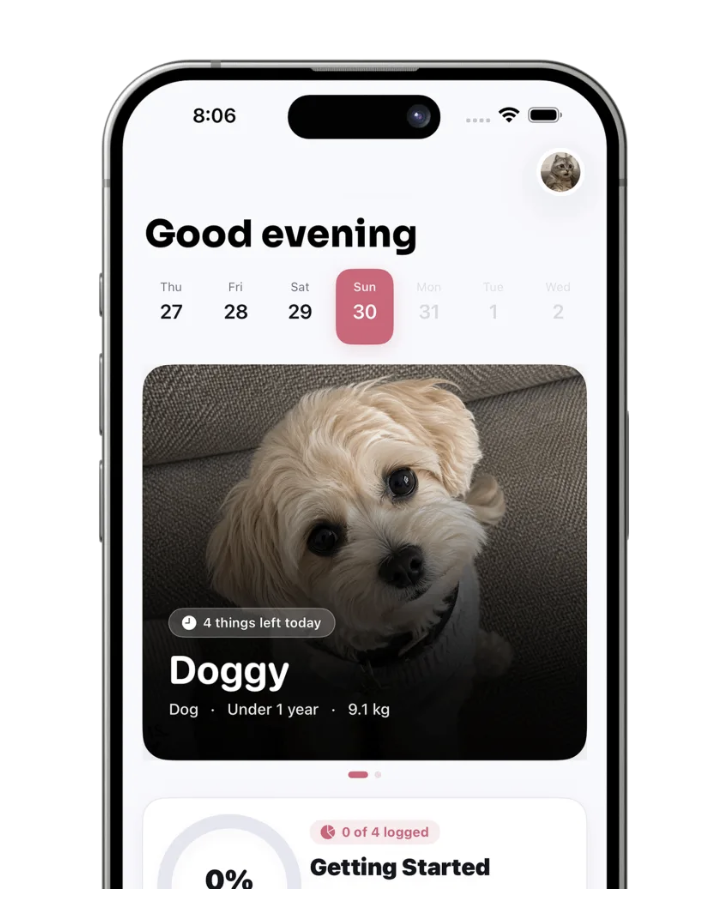
Keep your household and dog walker aligned with a shared walk history in Petive. A logged entry may appear in shared history; this page does not promise an instant notification to every caregiver.
Sources and editorial note
This guide was prepared by the Petive Editorial Team using guidance from established veterinary and animal-care organizations. Unless a named reviewer is shown, it has not been independently reviewed by a veterinarian. It provides general educational information, not veterinary diagnosis or treatment. Ask your veterinarian about your individual pet.