
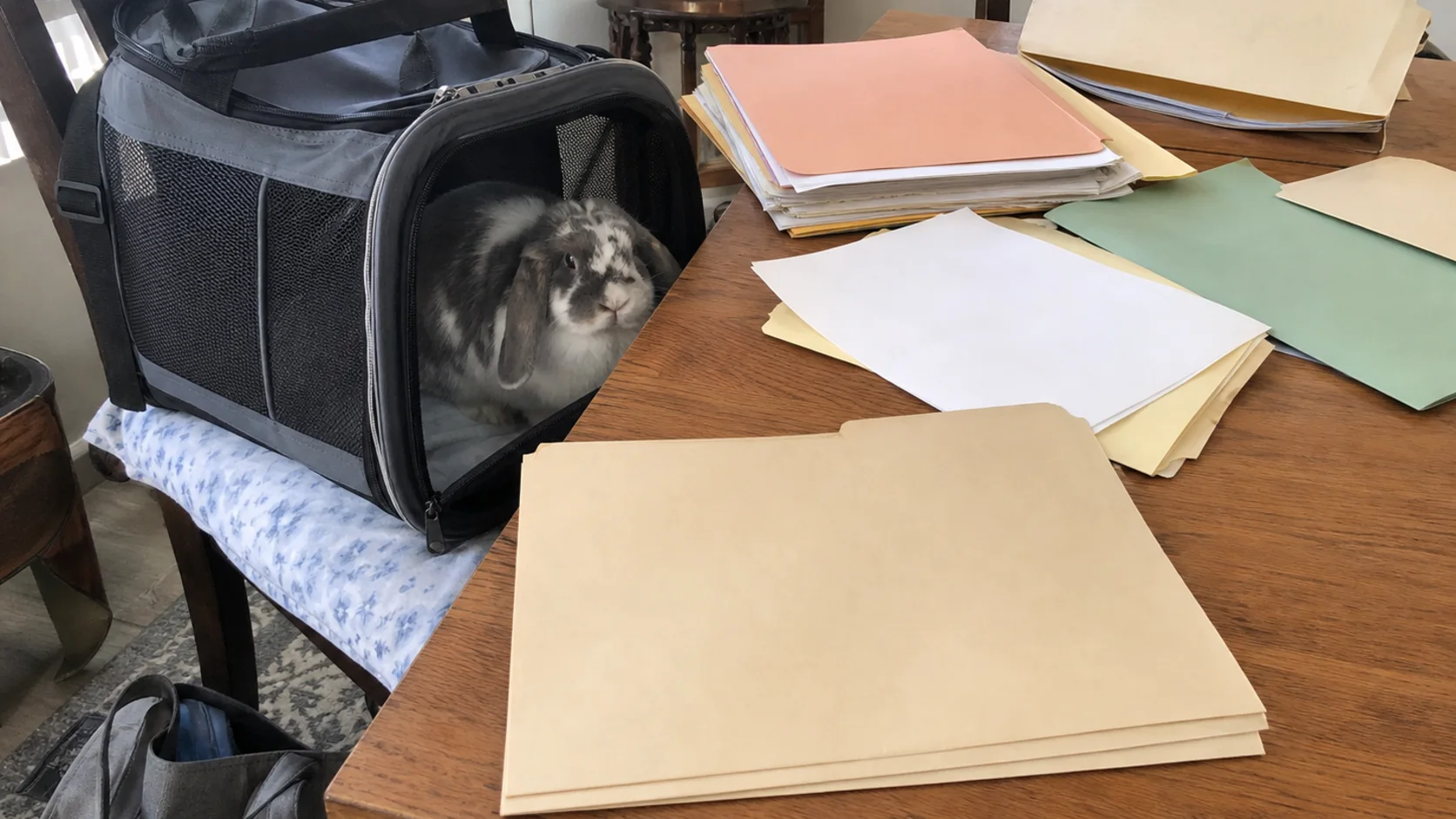
Pet Emergency File
Quick answer: Keep identification, photographs, microchip details, veterinary contacts, diagnoses, allergies, medications, vaccine records, insurance information, daily-care instructions, emergency authorization, and evacuation plans in your pet’s emergency file. Store an accessible digital copy and a portable paper backup, review both regularly, and make sure every trusted caregiver knows where to find them.
Build the file around decisions someone may need to make quickly
An emergency file is not simply an archive of every receipt. It should help a family member, sitter, veterinarian, shelter, or emergency responder identify your pet, understand immediate health needs, reach the right people, and continue essential care.
Start with a one-page summary: pet’s name, species, breed or description, age, sex and neuter status, recent clear photograph, microchip number and registry, primary veterinarian, nearest emergency hospital, owner contacts, backup caregiver, and an out-of-area contact. Add a note explaining where the carrier, leash, medication, food, and physical emergency kit are stored.
Include current medical and care information
Add diagnoses, allergies, medication names and strengths, exact doses and schedules, last doses, prescribing clinics, and any handling or administration notes. Include vaccine and preventive history, recent laboratory results when relevant, surgery history, insurance policy and claim contact, and the location of original records.
Daily-care instructions matter too. Record food and portion, water routine, bathroom schedule, mobility needs, behavioral triggers, safe handling, escape risks, and where your pet normally sleeps. For a chronic condition, add a veterinarian-approved action plan with warning signs, rescue medication instructions, and the situations that require emergency care.
Never invent treatment directions. Ask the clinic to help you create condition-specific instructions and clarify whether another caregiver may authorize care. Requirements for veterinary consent and payment vary, so discuss written authorization with the clinic and insurer before an emergency.
Add an evacuation and separation plan
List two pet-friendly destinations, transportation options, carriers or restraints, and a meeting point. Include a neighbor or nearby caregiver who can reach your pet if you cannot. Keep copies of ownership and vaccination documents with the portable kit, plus recent photos showing you with your pet.
Plan for separation: confirm the microchip registration is current, add an emergency contact, and keep collars and tags readable. A tracker can be useful, but it does not replace permanent identification. Review local shelter and accommodation rules before a crisis.
Match the plan to realistic local hazards. A wildfire, hurricane, flood, earthquake, winter outage, or sudden hospitalization may require different supplies and routes. Note which person can evacuate each animal, especially when carriers are heavy or several pets must be moved separately. Practice getting pets into carriers without creating fear, and keep a photograph of each carrier or hiding place for helpers.
Keep copies accessible without exposing unnecessary data
Use a digital copy that trusted people can reach if your phone is unavailable, plus a waterproof paper summary in the evacuation kit. Protect sensitive account, payment, and identity details; share only what the caregiver needs. Test access rather than assuming a link or password works.
Give the backup caregiver a short orientation. Ask them to locate the file, carrier, medication, shutoff points, and escape-prone doors without your help. Confirm which clinic to call first and how transport will work. A five-minute practice run can reveal that a key is outdated, a carrier is inaccessible, or an emergency contact has changed.
Review the emergency file at least twice a year and whenever medication, address, clinic, phone number, caregiver, diet, diagnosis, or microchip registration changes. Put the next review date on the first page.
For a multi-pet household, create one summary per animal plus a household evacuation sheet. Color-code carriers or add clear photos so medication and records cannot be assigned to the wrong pet during a rushed handoff.
How Petive can keep the living record current
Petive health records can organize medication, allergies, vaccines, veterinary notes, and important documents around the correct pet profile. Daily-care details and reminders stay connected to the current routine, while Shared Pack gives trusted caregivers a common view.
Use Petive as the living digital record, then maintain a small offline backup for power or network outages. Luna can help generate a list of questions to confirm with the veterinarian, but emergency actions should come from veterinary professionals and local authorities.
Explore Petive’s pet profile.
Quick emergency-file checklist
- Identification, photos, microchip, and owner contacts.
- Primary veterinarian, emergency hospital, and backup caregiver.
- Diagnoses, allergies, medication, vaccines, and insurance.
- Daily routine, handling, feeding, and mobility instructions.
- Veterinary-approved condition and emergency plan.
- Evacuation destinations, supplies, authorization, and offline copies.
Common questions
How often should I update my pet’s emergency file?
Review it every six months and immediately after any important change. Medication, contact, address, clinic, diet, and microchip details should always reflect the current situation.
Should the emergency file be paper or digital?
Use both. Digital records are easier to maintain and share; a waterproof paper summary remains available when a device, password, power supply, or network fails.
Where should I store emergency authorization?
Keep a copy in the file, give one to the designated caregiver, and ask your veterinary clinic what wording and payment arrangements it accepts. Rules differ by clinic and location.
Build the emergency file before anyone needs it. Create your pet’s Petive profile, add current health details, and invite the caregiver who should always have access.
Sources and editorial note
This guide was prepared by the Petive Editorial Team using guidance from established veterinary and animal-care organizations. Unless a named reviewer is shown, it has not been independently reviewed by a veterinarian. It provides general educational information, not veterinary diagnosis or treatment. Ask your veterinarian about your individual pet.