Share Chronic Pet Care
Quick answer: Manage shared chronic care with one veterinarian-approved plan, a current medication list, assigned responsibilities, timestamped completion records, and clear escalation rules. Every caregiver should know what to give, what to observe, and whom to call. Use one shared log instead of separate messages, and review it regularly with the veterinary team as the condition changes.
Turn the veterinary plan into clear household instructions
Ask the veterinarian to define medication, diet, activity, monitoring, tests, rechecks, target ranges when applicable, warning signs, and emergency actions. Translate that plan into a one-page caregiver guide without changing its meaning. Avoid vague directions such as “give as needed” unless the clinician has defined the signs, dose, limits, and call threshold.
Keep the diagnosis, allergies, current prescriptions, supplements, pharmacy, clinic, emergency hospital, and insurance together. Add the date the plan was last reviewed. Archive old versions so nobody follows an outdated dose.
Assign ownership without creating a single point of failure
Define who normally handles each medication, meal, measurement, walk, supply refill, and appointment. Then name a backup. A schedule should answer “who is responsible now?” while the shared log answers “what actually happened?”
For every completed action, record date, time, amount, and caregiver. Add context for a partial dose, refused meal, unusual symptom, or missed measurement. Never ask another person to infer whether something happened from an empty container or a read message.
Use a short handoff at shift changes: last medication, food and water, bathroom events, symptoms, pending tasks, and any clinic advice. For travel or a sitter, rehearse medication technique and emergency steps before the first solo shift.
Track the measures that matter for that condition
The veterinary team should choose the monitoring plan. It may include appetite, weight, water, urination, stool, breathing, mobility, sleep, pain behavior, seizure events, medication response, or condition-specific measurements. Use consistent tools, units, timing, and technique.
Record facts, not conclusions. “Ate half of the measured breakfast” is more useful than “appetite bad.” Do not adjust treatment because a number seems abnormal unless the veterinarian has provided a written action rule. Contact the clinic when results cross its threshold or a meaningful trend develops.
Prevent the failures that happen between caregivers
The most common risks are duplicate doses, missed doses, inconsistent food, outdated instructions, late refills, and unclear escalation. Reduce them with one active plan, completion records, inventory reminders, and written emergency contacts.
Agree on communication rules. Urgent signs trigger a call, not only a log entry. Treatment changes from the clinic must be updated in the shared plan immediately and acknowledged by every caregiver. Hold a brief weekly review to resolve gaps before they repeat.
Caregiver fatigue matters too. Rotate tasks where possible, schedule breaks, and tell the veterinary team when the plan is not sustainable. A workable plan is safer than an idealized routine nobody can maintain.
Make appointments and supplies part of the care system
Chronic care often fails outside dose time. Assign responsibility for scheduling rechecks, completing laboratory monitoring, requesting refills, collecting prescriptions, ordering approved food, and maintaining equipment. Set reminders early enough to solve a shortage before the last dose or meal.
Keep a small buffer only when storage rules, expiration dates, prescription limits, and the veterinarian allow it. Check equipment such as scales or measuring devices for consistent operation. If costs, transport, technique, or scheduling make the plan difficult, tell the clinic early; it may be able to suggest a safer, more practical approach.
Prepare every caregiver for an exception
Routine instructions are not enough. Write down what to do when a dose is refused, food is vomited, a measurement cannot be obtained, a caregiver is late, or the pet develops a new symptom. The answer may simply be “call the clinic,” but that decision and number should be visible. Nobody should improvise with extra medication, skipped meals, or an unapproved substitute.
How Petive supports one source of truth
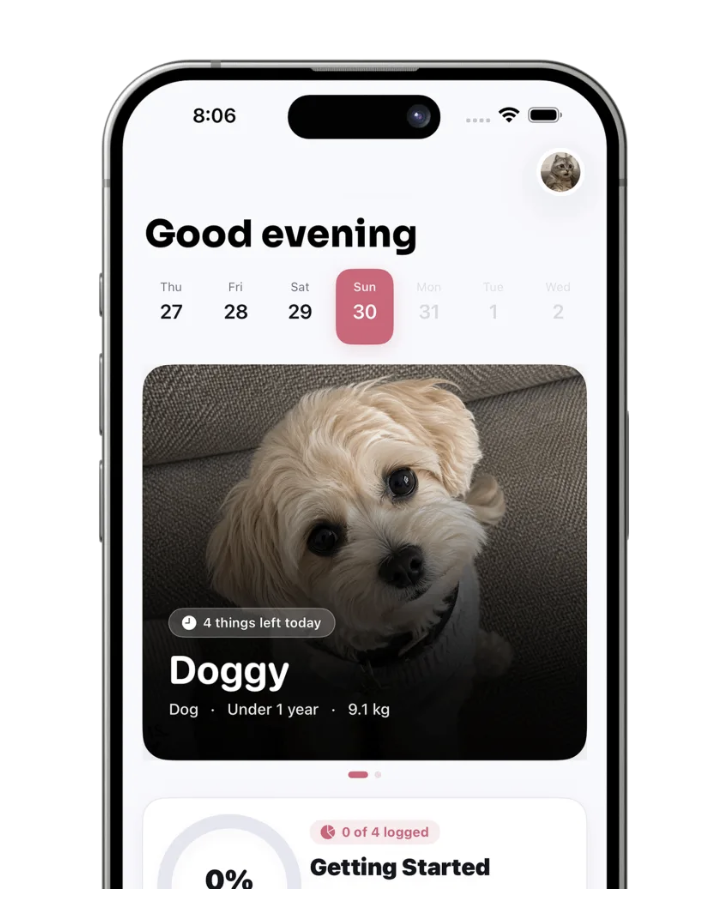
Petive Shared Pack gives family members and trusted helpers one current daily timeline. Medication and care reminders stay connected to completion entries, while health records keep diagnoses, allergies, veterinary notes, and documents with the right pet. Weekly reports make patterns easier to bring to rechecks.
Use notes for exceptions and observations, not to rewrite veterinary instructions. Give emergency contacts and the active plan to every caregiver outside the app as a backup. Luna can help caregivers phrase questions, but it cannot authorize treatment changes or replace urgent care.
Explore Petive’s Shared Pack.
Common questions
Who should be the main contact for the veterinarian?
Choose one primary contact for consistency and at least one authorized backup. Both should have the current plan and share clinic updates with the full care team promptly.
What if two people are unsure whether medication was given?
Do not guess or automatically repeat it. Check the shared record and contact the prescribing clinic for drug-specific advice if completion cannot be confirmed.
How often should the household review the care plan?
Review tasks weekly and after every veterinary update. The clinical plan itself should be reviewed at the interval the veterinarian recommends or sooner when symptoms, measurements, medication, or caregiver capacity changes.
Chronic care becomes safer when every person works from the same plan. Set up Shared Pack in Petive and give your pet one dependable history across every shift, dose, and appointment.
Sources and editorial note
This guide was prepared by the Petive Editorial Team using guidance from established veterinary and animal-care organizations. Unless a named reviewer is shown, it has not been independently reviewed by a veterinarian. It provides general educational information, not veterinary diagnosis or treatment. Ask your veterinarian about your individual pet.