
Cat Breeds
Quick answer: Cat breeds can help you explore differences in coats, appearance and breed history. Choosing a cat also means learning about the individual's preferences, health and routine. This directory introduces ten breeds and gives you practical questions to take to a rescue, breeder or veterinarian.
Before you begin
Think about the home you can offer: quiet resting places, play, grooming, veterinary care and support when you travel. You can use the same questions for a pedigree cat or a domestic cat whose ancestry is unknown.
Browse cat breeds
Browse this selected A–Z directory. Breed summaries reference GCCF or CFA descriptions; the accompanying questions help you investigate the individual. This is a starting selection, not a complete registry or a ranking of the best cats.
Abyssinian
A short-coated breed with a fine coat; GCCF describes an active cat.
Before choosing: Where will you provide climbing, play and opportunities to explore?
Registry reference: Abyssinian
Photo: Nicole-Koehler. Source · Public domain Cropped, resized and converted to WebP. British Shorthair
A short-coated breed with a dense coat and a substantial build.
Before choosing: Does this individual enjoy handling, sitting nearby or seeking more space?
Registry reference: British Shorthair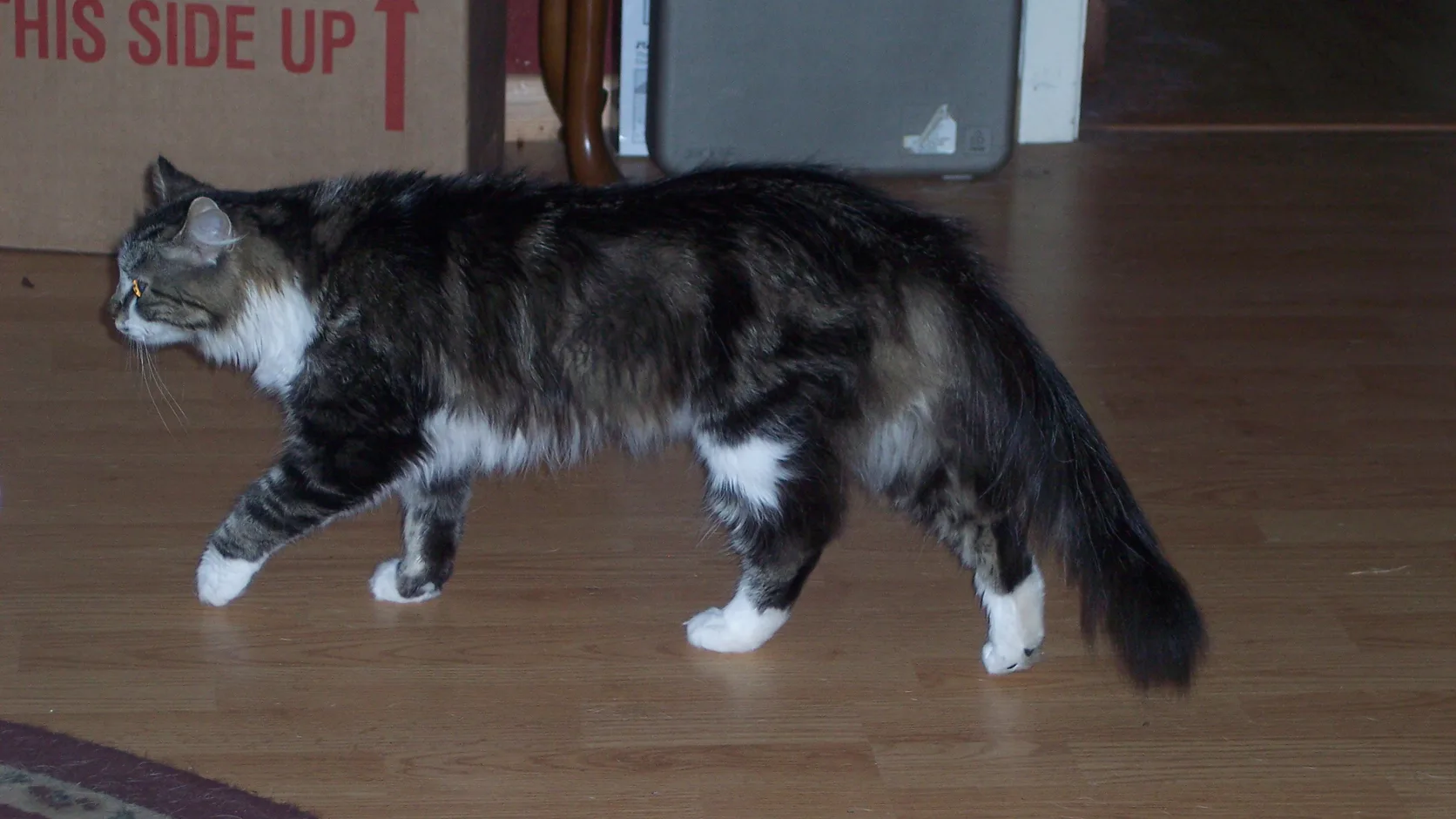
Photo: Hollakr. Source · Public domain Cropped, resized and converted to WebP. Maine Coon
A large, long-haired cat. GCCF describes a sociable breed.
Before choosing: Are your carrier, litter trays and climbing furniture suitable for this cat's size?
Registry reference: Maine CoonPersian
A long-haired breed with substantial coat-care requirements.
Before choosing: Can the current caregiver demonstrate grooming, and can your vet discuss the cat's health history?
Registry reference: PersianRagdoll
A large, semi-longhaired breed commonly described as gentle.
Before choosing: What does this cat actually enjoy, and how do they respond when they want an interaction to end?
Registry reference: RagdollRussian Blue
A short-haired cat with a dense blue coat and silver-tipped hairs. CFA describes a playful, quiet breed.
Before choosing: What introduction routine helps this cat feel comfortable with new people?
Registry reference: Russian BlueSiamese
A short-coated breed known for vocal communication and interaction.
Before choosing: How much company does this cat currently receive, and what happens when the home is quiet?
Registry reference: SiameseSiberian
A substantial cat with a dense coat that changes with the seasons.
Before choosing: What coat checks and grooming does this individual need throughout the year?
Registry reference: SiberianSphynx
Known for a hairless appearance, although fine fuzz may be present. CFA describes an active, affectionate breed.
Before choosing: Can you learn the recommended skin-care routine and provide suitable resting spaces?
Registry reference: Sphynx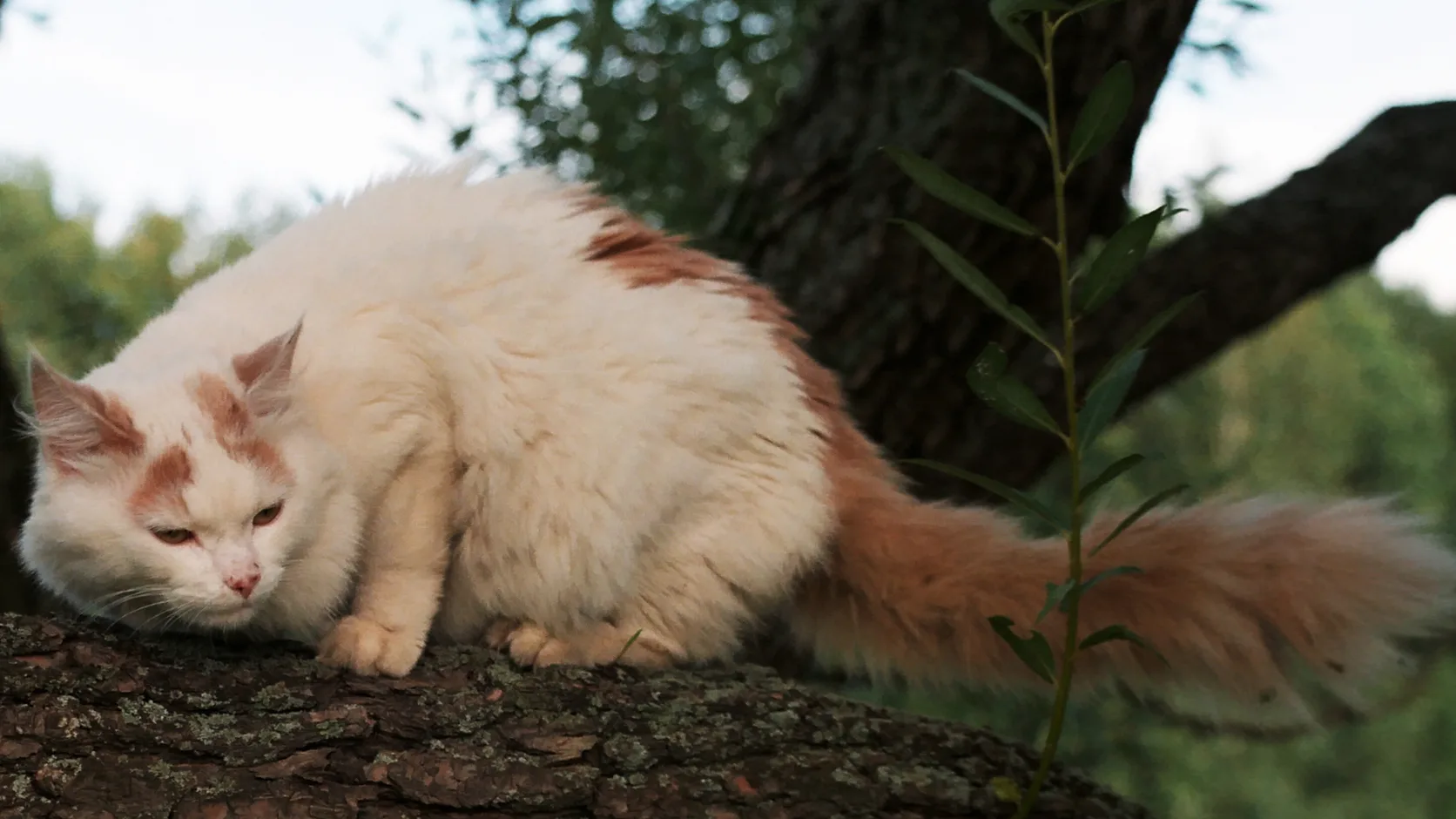
Photo: Helen Filatova. Source · CC BY-SA 3.0 Cropped, resized and converted to WebP. Turkish Van
A long-haired breed typically associated with colour on the head and tail and a mostly white body.
Before choosing: What play, handling and grooming does this particular cat enjoy?
Registry reference: Turkish Van
Choose a routine before choosing a look
A long coat, unusual colour or striking face may start your search. Before committing, make the daily responsibilities concrete. Ask to see how the cat is cared for, and write down what you would need to continue at home.
| Your question | What a useful answer includes |
|---|---|
| What does grooming involve? | Tools, a demonstration and how the cat responds |
| How does the cat ask for space? | Behaviour the current caregiver has actually observed |
| What does play look like? | Favourite activities and the routine already in place |
| What is the litter setup? | Tray style, litter and placement the cat knows |
| How are meals handled? | Current instructions and any veterinary feeding plan |
| What happens during travel? | A caregiver who can follow the cat's individual routine |
Try a simple comparison. If two cats interest you, describe what caring for each would involve on a busy weekday and during a weekend away. If the plan depends on someone else, agree on their role before bringing the cat home.
Find the guide that matches your search
- Best cats for first-time owners: options and questions for a first adoption or purchase.
- Most popular cat breeds: a closer look at registration-based popularity.
- Rare cat breeds: less familiar breeds and the limits of rarity figures.
- Hypoallergenic cats: what allergy claims can and cannot tell you.
- Best pets for apartments: compare the responsibilities of different pets in a smaller home.
What a breed profile cannot decide
A description such as affectionate or quiet is a starting point for a conversation. Ask what those words mean for the cat you are meeting. Do they enjoy being picked up, prefer sitting nearby or seek play before settling? How do they respond to visitors? Use concrete examples rather than expecting a cat to perform a breed stereotype.
Request the available health history and ask your veterinarian which further questions matter. Keep observations, registration information and medical advice separate: a pedigree does not replace a health assessment, and a beautiful photograph does not show a complete home routine.
The GCCF directory and TICA breed directory are useful places to continue your research. Registries have their own recognition rules, so their lists need not match.
Make the handover easier
Before arrival, collect the current meal, litter and grooming instructions. Ask which familiar belongings can come with the cat and who to contact with follow-up questions. Agree on the household's care responsibilities while everyone has time to prepare.
Our sitter instructions guide helps organise a written handover. Petive offers an iPhone care log for meals, litter care, grooming and your own notes once the cat is home.
Common questions
What is the best cat breed for a first-time owner?
Choose around the care you can provide and the individual cat you meet. Compare grooming, interaction, health needs and support in our first-time cat-owner guide. An adult domestic cat may also be worth considering.
How many cat breeds are there?
There is no single total shared by every registry. Check which organisation a number refers to and when its list was updated. The directories linked above let you see the breeds each organisation currently recognises.
Is tabby a cat breed?
Tabby describes a coat pattern rather than identifying one breed. The GCCF breed directory includes breeds with several colours and patterns. A tabby appearance alone does not establish a pedigree.
Can a photograph tell me my cat's breed?
A photo can show similarities, but it does not establish documented ancestry. Describe what you know about your cat and keep uncertain breed guesses separate from confirmed records.
Are short-haired cats always easier to care for?
Coat length is only one consideration. Ask about grooming, health, interaction and handling for the individual. A shorter coat does not remove the need for daily care and an appropriate home setup.
Which cat breeds are hypoallergenic?
Do not treat any breed as an allergy guarantee. Our hypoallergenic cat guide examines common claims and links to allergy specialists' guidance.
Sources and editorial note
This guide was prepared by the Petive Editorial Team using guidance from established veterinary and animal-care organizations. Unless a named reviewer is shown, it has not been independently reviewed by a veterinarian. It provides general educational information, not veterinary diagnosis or treatment. Ask your veterinarian about your individual pet.