
Hypoallergenic Cats
Quick answer: No cat breed comes with an allergy-free guarantee. People searching for hypoallergenic cats often encounter breed lists, but coat type and pedigree cannot establish that a cat is suitable for a person with allergies. Begin with medical advice for your own circumstances, then compare the care needs of individual cats.
Before you begin
This guide combines published allergy guidance with registry descriptions. It has not been individually reviewed by a clinician. It is intended to help you evaluate claims and prepare questions, not to test your reaction to a cat.
Why a coat description is not an allergy assessment
The American College of Allergy, Asthma & Immunology explains that all cats produce allergens, including proteins found on skin and in saliva. Its guidance does not support an allergy-free cat breed.
When researching a cat, make two separate notes. One can cover its coat and care routine. The other can record the allergy questions you need to discuss with a clinician. A description such as silky, short-haired or hairless answers something about appearance; it does not resolve your personal medical decision.
Four breeds to research beyond the allergy claims
These are breed profiles, not an allergy-safety ranking. We have deliberately left out numerical allergy scores because the sources here do not establish a reliable score for predicting your reaction.
Siberian
The CFA's Siberian profile describes a substantial cat with a dense coat that changes seasonally. Its grooming guidance notes variation between individuals.
If a Siberian interests you, ask to see how the particular cat's coat is checked and maintained. If a seller supplies an allergen claim or test, ask your allergist what, if anything, it establishes for your own decision. Do not substitute a certificate or a sales promise for that conversation.
Balinese
The Balinese has a longer, fine coat and an interactive, vocal personality in the CFA description.
Look beyond the coat when comparing the breed. Ask how the cat seeks company, what play they enjoy and which parts of their routine would need to continue in your home. Treat claims about suitability for allergies as a separate matter requiring medical advice.
Russian Blue
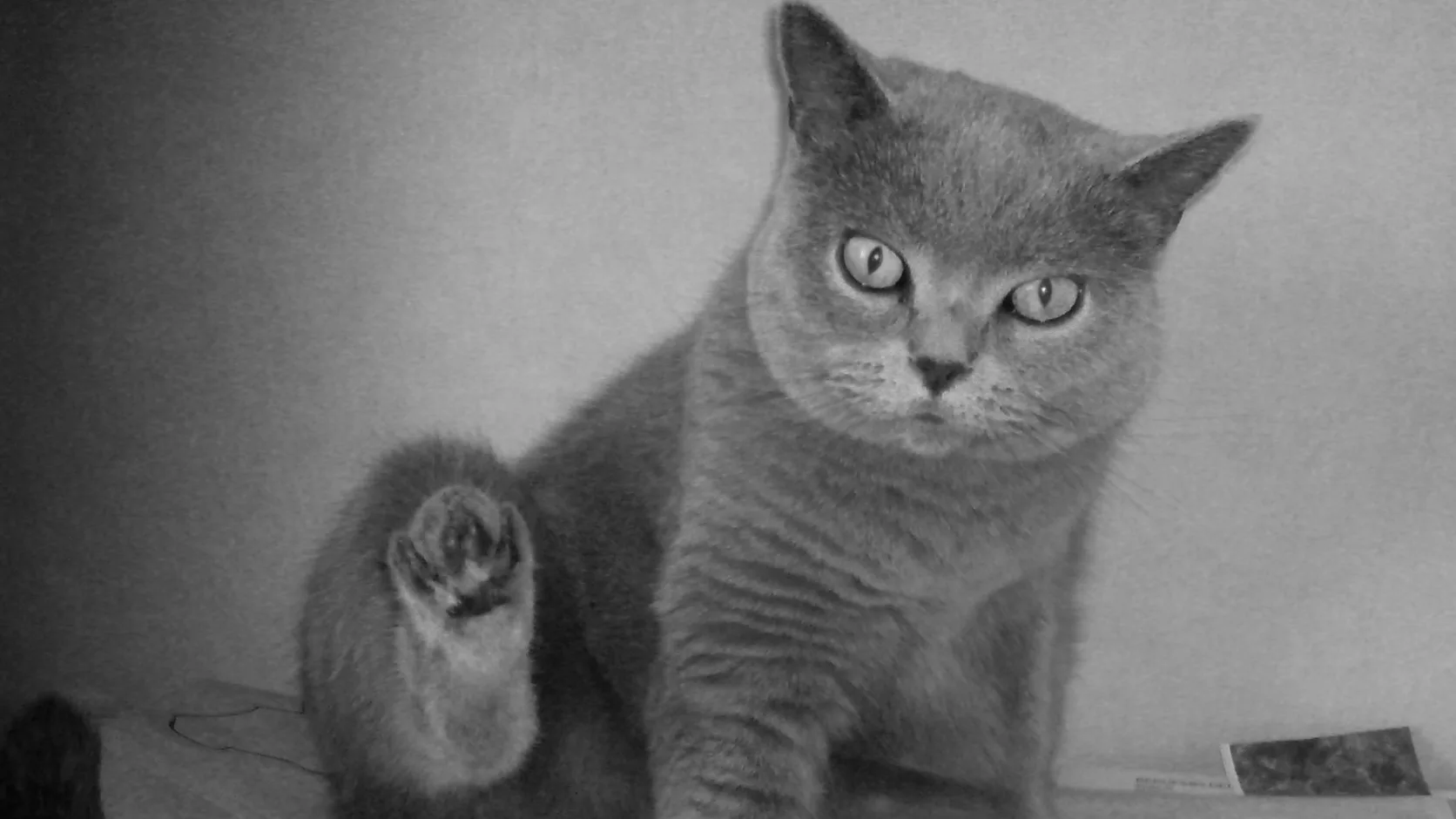
The Russian Blue has a short, dense blue coat with silver-tipped hairs. CFA describes a playful, generally quiet breed.
For your care comparison, ask about the individual cat's grooming and response to visitors. Coat colour and a quiet reputation are not evidence that a household member will tolerate living with the cat.
Sphynx
The Sphynx is known for a hairless appearance, though some fine fuzz may be present. The CFA describes an active, affectionate cat.
Ask for a demonstration of the recommended skin-care routine rather than assuming that little visible hair means little work. A hairless appearance does not create an exception to the allergy guidance above.
For a wider comparison, browse our cat breeds directory. Our first-time cat-owner guide can help you organise the practical side of choosing.
How to evaluate a seller's promise
Before acting on a claim such as “safe for allergy sufferers,” ask what it means and how it was established. Save the wording so you can discuss the actual claim rather than a remembered version.
| Claim or question | Useful next step |
|---|---|
| “This breed is hypoallergenic” | Ask for the evidence and discuss its relevance with your allergist |
| “This kitten has been tested” | Ask what was measured and what the result can establish for a person |
| “There is almost no hair” | Separate coat maintenance from the medical question |
| “You can visit to find out” | Ask your clinician how to assess the decision; do not use deliberate exposure as a self-test |
You do not need to settle every question during a sales conversation. Take time to obtain answers before making arrangements that would be difficult for you or the cat to reverse.
Prepare the household care plan
If you decide to bring a cat home after considering your circumstances, ask for written instructions covering meals, litter, grooming and current veterinary care. Agree on who will complete each task and how you will handle travel or unexpected absences.
Our sitter instructions guide provides a handover structure. Petive can keep the cat's completed care and your own notes together on iPhone. It does not measure allergens or assess human medical risk.
Common questions
Are Siberian cats guaranteed to be hypoallergenic?
No. Do not treat a Siberian pedigree or a breeder's assurance as a guarantee that you will tolerate the cat. Discuss any supporting evidence with your allergist before deciding.
Are Sphynx cats safe for everyone with cat allergies?
No. A hairless appearance does not remove the allergen sources described in the medical guidance. It also does not remove the need to understand the cat's own care routine.
Is a short-haired cat a safer choice than a long-haired cat?
Hair length is not a reliable basis for that conclusion. AAAAI's pet allergy guidance explains why fur length and shedding do not establish a hypoallergenic breed.
Does a cat allergen test prove that I will not react?
Do not interpret a result as a personal safety guarantee. Ask your allergist what the test measured and whether it can meaningfully inform your situation.
Can grooming make a cat allergy-free?
Do not rely on grooming as an allergy-free guarantee. Get a suitable grooming routine from the cat's caregiver or veterinarian and medical advice for your own allergies from your clinician.
Does feeling fine during a short visit prove I am not allergic?
No. AAFA notes that symptoms may appear after several days of contact when allergen levels are low. A short visit is not a substitute for a clinical assessment, and deliberate exposure should not be used as a self-test.
Sources and editorial note
This guide combines published guidance from human allergy organisations with breed-registry descriptions. It has not been independently reviewed by a clinician. Ask an allergist about your own allergies and a veterinarian about your pet's care.