
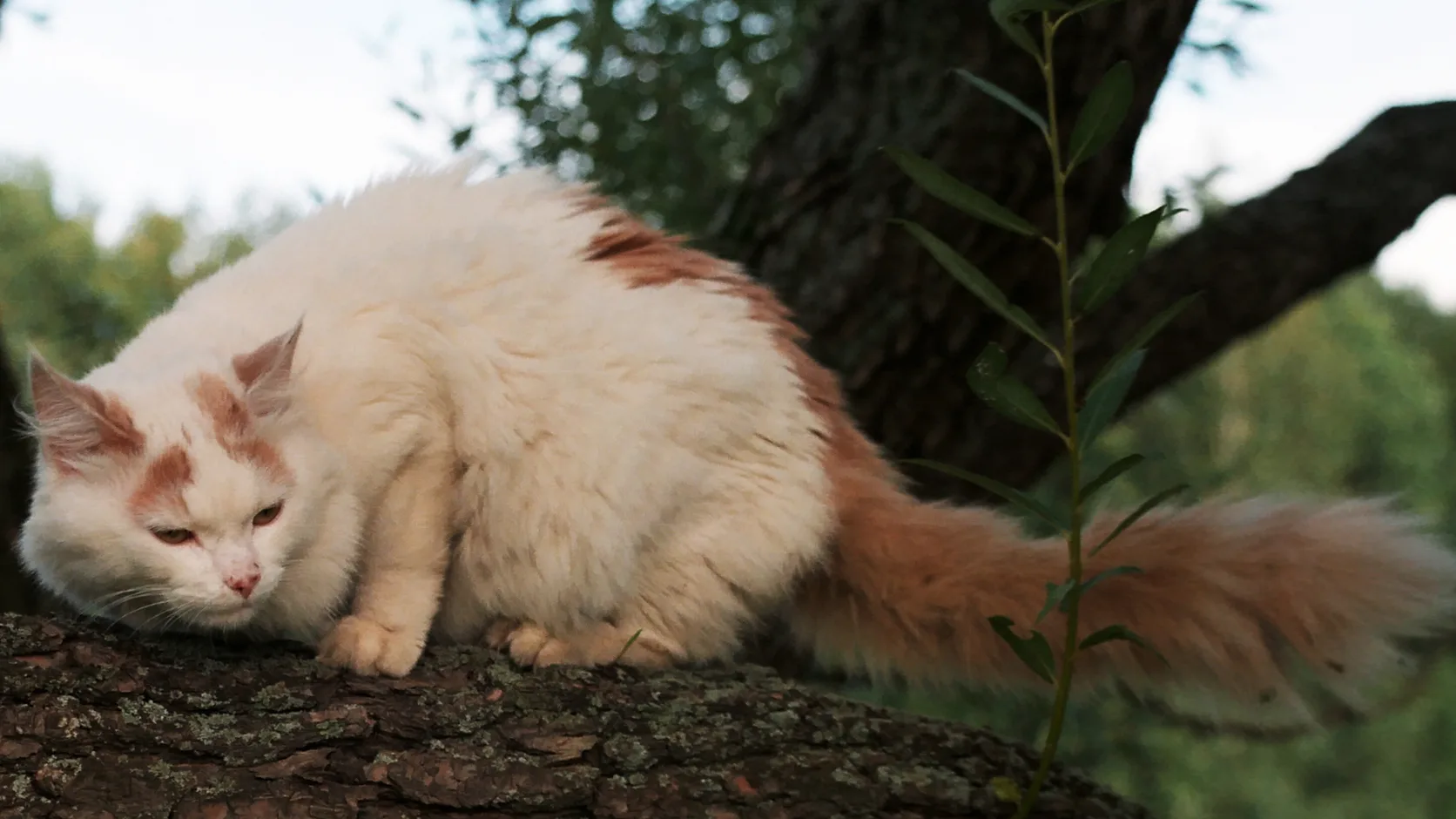
Rare Cat Breeds
Quick answer: Rare cat breeds include cats such as the Chartreux, LaPerm and Turkish Van, which recorded small numbers in the UK's GCCF registration figures for 2025. Those figures offer a checkable way to describe rarity within that registry. They cannot tell us how many cats of each breed live worldwide.
Before you begin
Unusual looks and an unfamiliar name can spark a good research journey. The useful next step is to understand the cat's care, health and home preferences before deciding whether to seek one out.
Examples from UK registrations
These selected entries come from the GCCF's 2024–2025 registration table. They are examples of low registration counts, rather than a claim to identify the world's rarest cats.
| Breed or registry variety | GCCF registrations in 2025 |
|---|---|
| Chartreux | 24 |
| LaPerm Longhair | 20 |
| Balinese | 15 |
| Turkish Van | 10 |
| Singapura | 8 |
| Australian Mist | 5 |
| Nebelung | 1 |
The registry separates some coat varieties. These are annual registrations, not population estimates. A low figure can also reflect how many breeders use that particular registry.
Meet three of the breeds
Chartreux
The Cat Fanciers' Association's Chartreux profile describes a blue-coated French breed with a history of selective breeding from the 1920s. The CFA characterises these cats as quiet communicators.
If the breed interests you, ask about the particular cat's preferences. Does the cat approach visitors, enjoy nearby company or ask for interaction in subtler ways? Ask the breeder to demonstrate the grooming routine and explain relevant health screening. A calm-looking photograph tells you very little about daily life.
LaPerm
The LaPerm has a curly coat and comes in both short- and long-haired varieties. The CFA describes an active, affectionate cat and traces the breed's beginnings to a curly-coated kitten born in Oregon in 1982.
Ask what maintaining this cat's coat involves and which forms of play they enjoy. If several people will help with care, have everyone learn the handling and grooming routine. A striking coat should prompt practical questions about maintenance as well as admiration.
Turkish Van
The Turkish Van is a long-haired breed associated with the Lake Van region of Turkey, distinct from the Turkish Angora. It is known for a predominantly white coat with colour on the head and tail.
Read past descriptions of an interest in water. Never put a cat into water to test a breed reputation. Instead, ask about the individual cat's activity, handling preferences and safe home setup. The day-to-day match matters more than whether a cat performs a memorable breed trait.
Why there is no reliable single “rarest cat” winner here
A breed may be recorded by several registries, under different categories or with different recognition rules. Some living cats are never registered. Annual registration totals also count a different thing from all cats alive at a particular moment.
When you encounter a claim that only a fixed number exist, look for its date, geographic scope and counting method. If those details are missing, treat the claim as unverified. A low count in one UK table does not justify a global extinction claim.
For the other end of the registration tables, see our guide to the most popular cat breeds.
Choose with welfare and home life in mind
Use your interest in a breed to begin a conversation with a knowledgeable rescue, breed club or breeder. Ask which health issues are relevant, what tests exist and what their results can and cannot establish. Get documents you can discuss with your veterinarian.
Cats Protection's guidance on buying a kitten is a useful starting point for assessing the circumstances in which a kitten has been raised. Take time to understand the source of the cat and the support offered after the move.
Before paying a deposit, fill in the practical side of the decision:
| Part of ownership | What we need to confirm |
|---|---|
| Daily company and play | When we are home; who provides interaction |
| Coat care | Tools, frequency and the cat's handling preferences |
| Veterinary care | Suitable local practice, history and any ongoing needs |
| Travel | A caregiver who can follow this cat's instructions |
| Home environment | Resting, hiding, climbing, scratching and toileting arrangements |
| Ongoing cost | Food, litter, routine care and a plan for unexpected costs |
Leave space for uncertainty. If the answer is still “we will find out later,” ask whether it affects your ability to provide a suitable home now.
Bring home the routine as well as the cat
Get the current food instructions, litter setup, grooming method and veterinary history in writing. Keep the first instructions accessible to every caregiver, then update them as you learn about the individual cat.
Our first-time cat-owner guide helps with choosing, and the sitter instructions template helps with handing over care. Petive provides a place to record meals, litter care and notes on iPhone when you are ready to organise that routine.
For a broader comparison, browse our cat breeds directory.
Common questions
Is a rare cat necessarily expensive?
The registration data here does not measure prices. Ask about the complete costs of responsible ownership and evaluate the source of the cat independently of the asking price.
Does a rare breed need special food?
Rarity does not determine a diet. Follow an individual feeding plan based on life stage, health and veterinary advice rather than choosing food because a breed is uncommon.
Can a rare breed suit a first-time owner?
Possibly. Assess the individual cat, your time and the available support. Researching an uncommon breed does not remove the option of adopting a domestic cat whose needs fit your home.
Is a breed rare everywhere if it has few UK registrations?
Not necessarily. A UK registration table describes one registry's entries, not every cat or breeder worldwide. Keep the geography, year and counting method attached to the claim.
How do I compare a rare cat with other breeds?
Our cat breed directory provides a broader starting point. Compare grooming, interaction and home routines before giving rarity any weight in the decision.
Sources and editorial note
This guide was prepared by the Petive Editorial Team using guidance from established veterinary and animal-care organizations. Unless a named reviewer is shown, it has not been independently reviewed by a veterinarian. It provides general educational information, not veterinary diagnosis or treatment. Ask your veterinarian about your individual pet.