Pet Emergency Card
Quick answer: A pet emergency information card compiles your pet's critical medical records, identification details, microchip number, primary veterinarian, emergency clinic contact, and caretaker instructions into one accessible document. Whether you are traveling, leaving your pet with a sitter, or facing an unexpected emergency, organized information can reduce searching and help a caregiver contact the right clinic promptly.
Key sections of a complete pet emergency card
In urgent situations, veterinary staff and emergency responders need immediate access to specific information.
| Card Section | Information Needed | Why It's Critical |
|---|---|---|
| Pet Identification | Name, Breed, Color, Weight, Microchip # & Registry | Verifies identity and ownership instantly |
| Primary Vet & ER Vet | Clinic Names, Addresses, 24/7 Phone Numbers | Enables rapid transfer of medical history |
| Critical Health Alerts | Allergies, Chronic Conditions, Current Rx | Prevents dangerous drug interactions |
| Caregiver Contacts | Owner phone, Secondary contact, Sitter phone | Reaches decision-makers without delay |
| Care Authorization | Owner instructions, financial limit, signature, and date | Records the owner’s wishes; acceptance depends on local law and clinic policy |
Printable pet emergency information card template
Fill out and keep a copy on your refrigerator, in your glove box, and in your pet sitter’s handoff packet.
======================================================
            PETIVE EMERGENCY INFORMATION CARD
======================================================
PET DETAILS
Name: ________________________ Species/Breed: ________
Age/DOB: _____________________ Weight: _______________
Color/Markings: ______________ Microchip #: ___________
Microchip Registry & Phone: __________________________

OWNER CONTACTS
Primary Owner: ________________ Phone: _______________
Secondary Contact: ____________ Phone: _______________

VETERINARY CONTACTS
Primary Vet Clinic: ___________ Phone: _______________
24/7 Emergency Hospital: ______ Phone: _______________

MEDICAL ALERTS & MEDICATIONS
Allergies: ___________________________________________
Chronic Conditions: __________________________________
Current Medications & Doses: _________________________

OWNER EMERGENCY INSTRUCTIONS
If I cannot be reached, contact: ______________________
Caregiver authorized to discuss care: _________________
Stated financial limit: $________ (subject to clinic policy)
Confirm this form with the veterinary clinic in advance.

Owner Signature: __________________ Date: ____________
======================================================
Digital emergency records: Why cloud backup matters
Paper cards are vital in the home, but digital access ensures emergency data is available anywhere you travel.
- Instant record access from anywhere: Store digital copies of vaccination records and medical notes on your phone.
- One-tap emergency calls: Quickly access clinic phone numbers during a crisis without searching online.
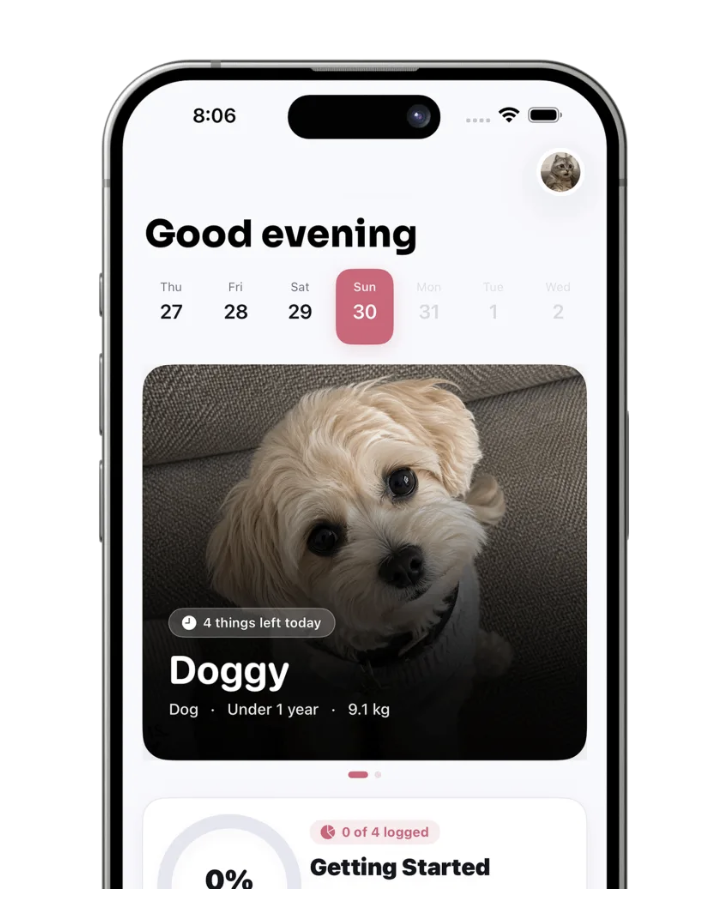
- Shared access for sitters: Share emergency access with sitters and family members via Petive.
Explore Petive’s pet emergency information card.
Common questions
Where should I store my pet's emergency information card?
Keep a laminated copy on your refrigerator, a copy in your car's glove box, a digital copy on your smartphone in Petive, and leave a printed copy with your pet sitter.
What is medical treatment authorization on a pet emergency card?
It records your instructions about who may discuss care and what financial limit you intend. It does not guarantee that a clinic can rely on the card: local law and clinic policy vary, so confirm the clinic’s required authorization and payment process before an emergency.
Why is keeping microchip information updated critical?
A microchip is useless if the registration database contains an outdated phone number or address. Review your microchip registry contact info annually.
Ensure your pet is protected in any emergency with Petive's digital pet profile and emergency records sync.
Sources and editorial note
This guide was prepared by the Petive Editorial Team using guidance from established veterinary and animal-care organizations. Unless a named reviewer is shown, it has not been independently reviewed by a veterinarian. It provides general educational information, not veterinary diagnosis or treatment. Ask your veterinarian about your individual pet.