
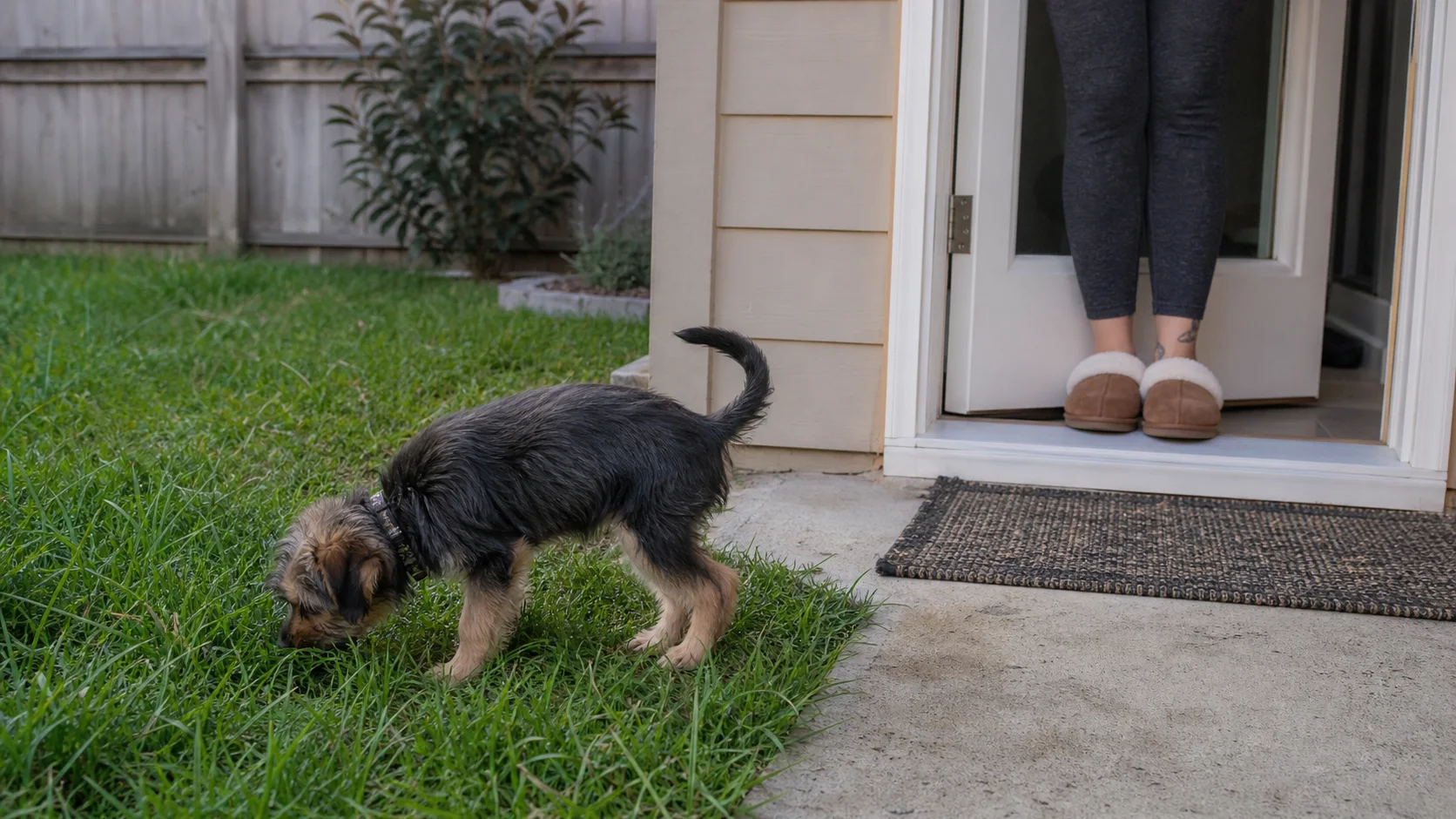
Puppy Teething Timeline
Quick answer: Puppies go through an intense teething phase between 3 and 6 months of age as their 28 needle-sharp deciduous (baby) teeth fall out and are replaced by 42 permanent adult teeth. During this period, puppies experience gum soreness, inflamed tissue, and a strong physiological urge to chew. Understanding the puppy teething timeline helps owners provide safe chew outlets, prevent destructive chewing, and recognize potential dental issues early.
Complete puppy dental development timeline
Puppy teeth develop rapidly over their first six months of life.
| Age Stage | Dental Development Milestone | What You Will Observe | Required Owner Action |
|---|---|---|---|
| 2 to 4 Weeks | Baby teeth begin erupting | 28 deciduous teeth emerge | Mother begins weaning process |
| 8 to 12 Weeks | Full set of baby teeth in place | Sharp needle-like nibbling | Begin gentle mouth handling & bite inhibition |
| 12 to 16 Weeks | Baby teeth start falling out | Incisors drop first; mild gum bleeding | Provide frozen chew toys & cold rubber rings |
| 4 to 5 Months | Premolars & adult teeth erupt | Heavy chewing urge; missing teeth | Redirect chewing to approved items |
| 6 Months+ | All 42 adult teeth erupted | Teething phase completes | Inspect for retained baby teeth with vet |
Safe puppy teething relief methods
- Frozen wet washcloths: Wet a clean washcloth, twist it into a rope shape, freeze it, and let your puppy chew under supervision. The cold numbs sore gums.
- Chilled rubber chew toys: Toys like fillable rubber Kongs packed with wet puppy food or plain pumpkin puree and frozen offer long-lasting relief.
- Edible puppy dental chews: Choose age-appropriate, digestible chews approved by your vet. Avoid hard items like cooked bones, hooves, or hard nylon toys that can fracture emerging teeth.
- Daily mouth inspection & handling: Gently lift your puppy’s lips weekly to check for swollen gums, double teeth (retained baby teeth), or oral bleeding.
Managing puppy nipping & chewing behavior
Chewing is normal, but biting furniture or human hands requires clear redirection protocols:
1. Keep approved chews within arm's reach: Whenever your puppy mouths hands or furniture, immediately substitute an approved chew toy. 2. Pause and redirect: If teeth touch skin, calmly stop play for a moment and offer an appropriate chew toy. Avoid a high-pitched yelp if it excites or frightens your puppy; a qualified positive-reinforcement trainer can help with persistent biting. 3. Enforce structured nap time: Overtired puppies chew destructively. A puppy who becomes hyper-fixated on biting usually needs a quiet crate nap.
Explore Petive’s puppy daily schedule.
Common questions
Is it normal for a puppy's gums to bleed while teething?
Yes. Mild gum bleeding and small blood spots on chew toys are normal when baby teeth loosen and fall out between 12 and 20 weeks.
What are retained baby teeth in puppies?
Retained baby teeth occur when a deciduous tooth fails to fall out while the adult tooth erupts beside it. If you see two teeth occupying the same position, arrange a veterinary dental exam. Extraction timing is an individual clinical decision and should not be tied automatically to a spay or neuter procedure.
When does puppy teething finally stop?
Most puppies finish teething around 6 months of age once all 42 adult teeth have fully erupted and baby teeth are shed.
Keep your puppy's daily nap, feeding, and teething routines on track with Petive.
Sources and editorial note
This guide was prepared by the Petive Editorial Team using guidance from established veterinary and animal-care organizations. Unless a named reviewer is shown, it has not been independently reviewed by a veterinarian. It provides general educational information, not veterinary diagnosis or treatment. Ask your veterinarian about your individual pet.